
Know what you're dealing with
A photo guide to 100+ pests that show up around Central Kentucky homes. Pick a category to browse, then tap a pest to see what it is and what a pest pro does about it.
Ants10
From nuisance trails to wood-destroying carpenter ants.
Ants10
From nuisance trails to wood-destroying carpenter ants.
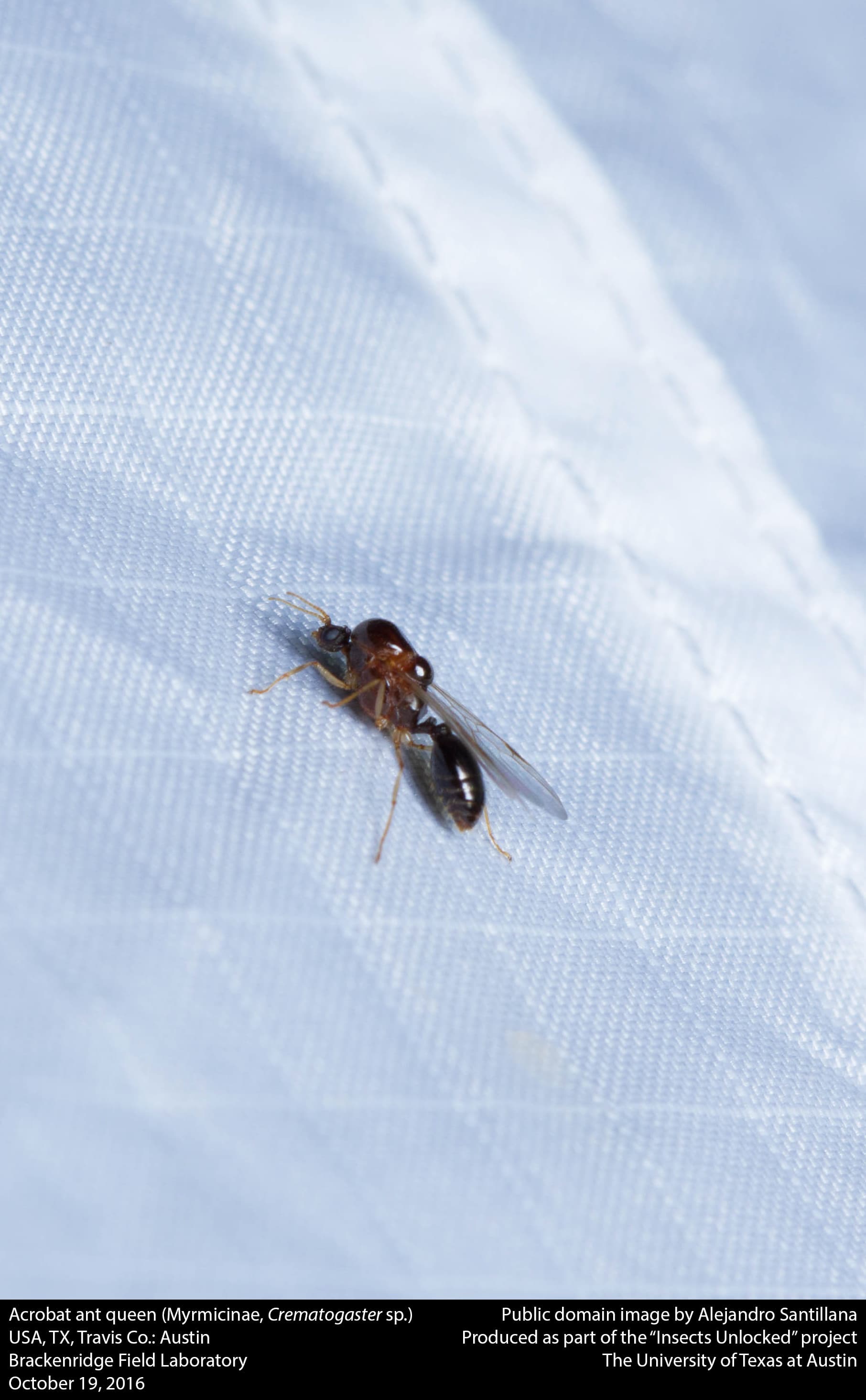
Acrobat Ant
Dark brown to black ants, 1/8 inch, recognizable by their heart-shaped abdomen which they raise over their body when threatened. Often nests in moisture-damaged wood, insulation, or old carpenter ant galleries.

Argentine Ant
Light to dark brown ants, about 1/12 inch, notable for forming massive interconnected colonies with multiple queens. They travel in dense trails and are strongly attracted to sweet and sugary foods.
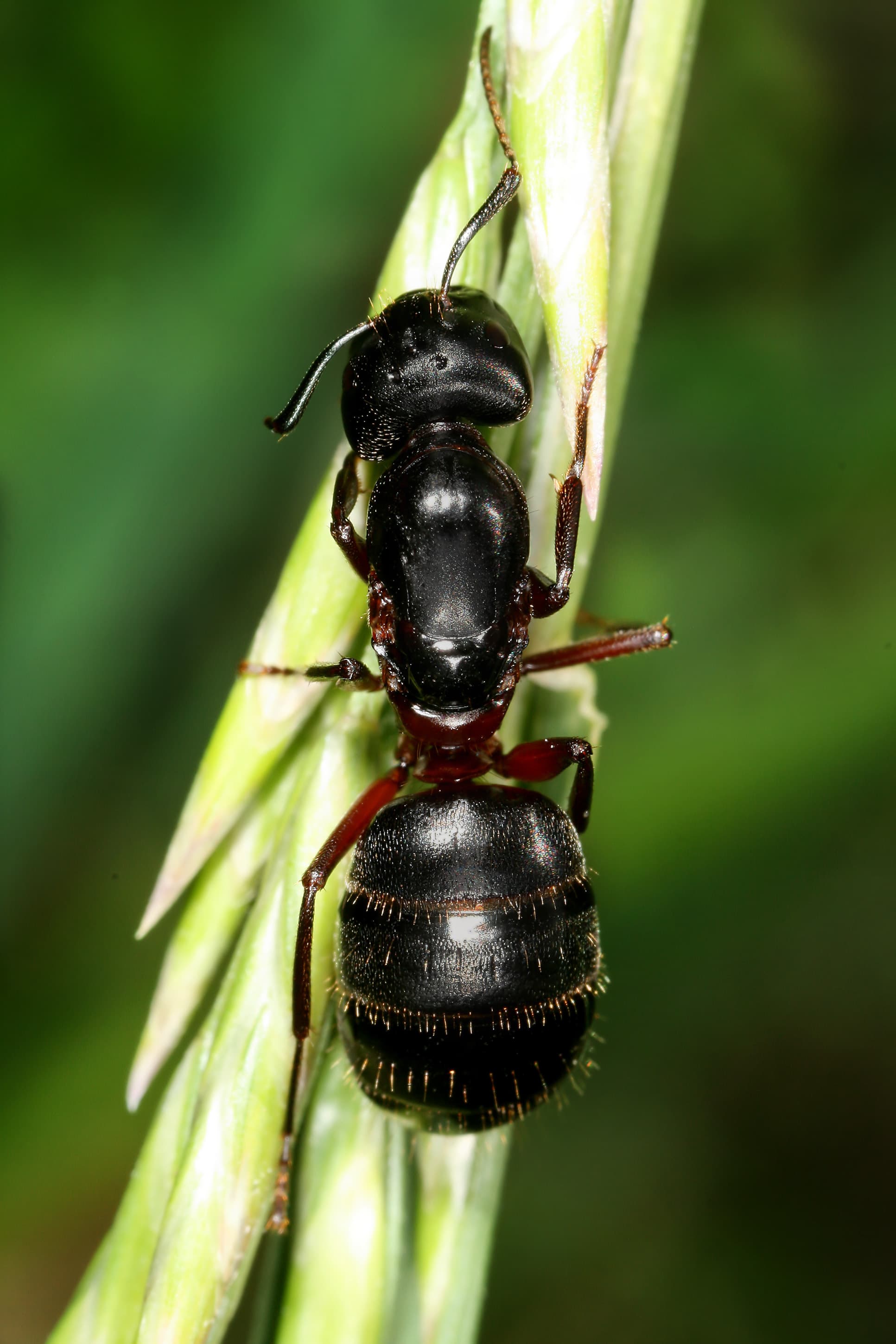
Carpenter Ant
Large black or red-and-black ants, 1/4 to 1/2 inch long, that excavate smooth tunnels in damp or decaying wood to build nests. Unlike termites, they don't eat wood — they push out small piles of sawdust-like debris (frass) near entry points. Winged reproductives ('swarmers') emerging indoors in spring are a strong sign of an established nest.
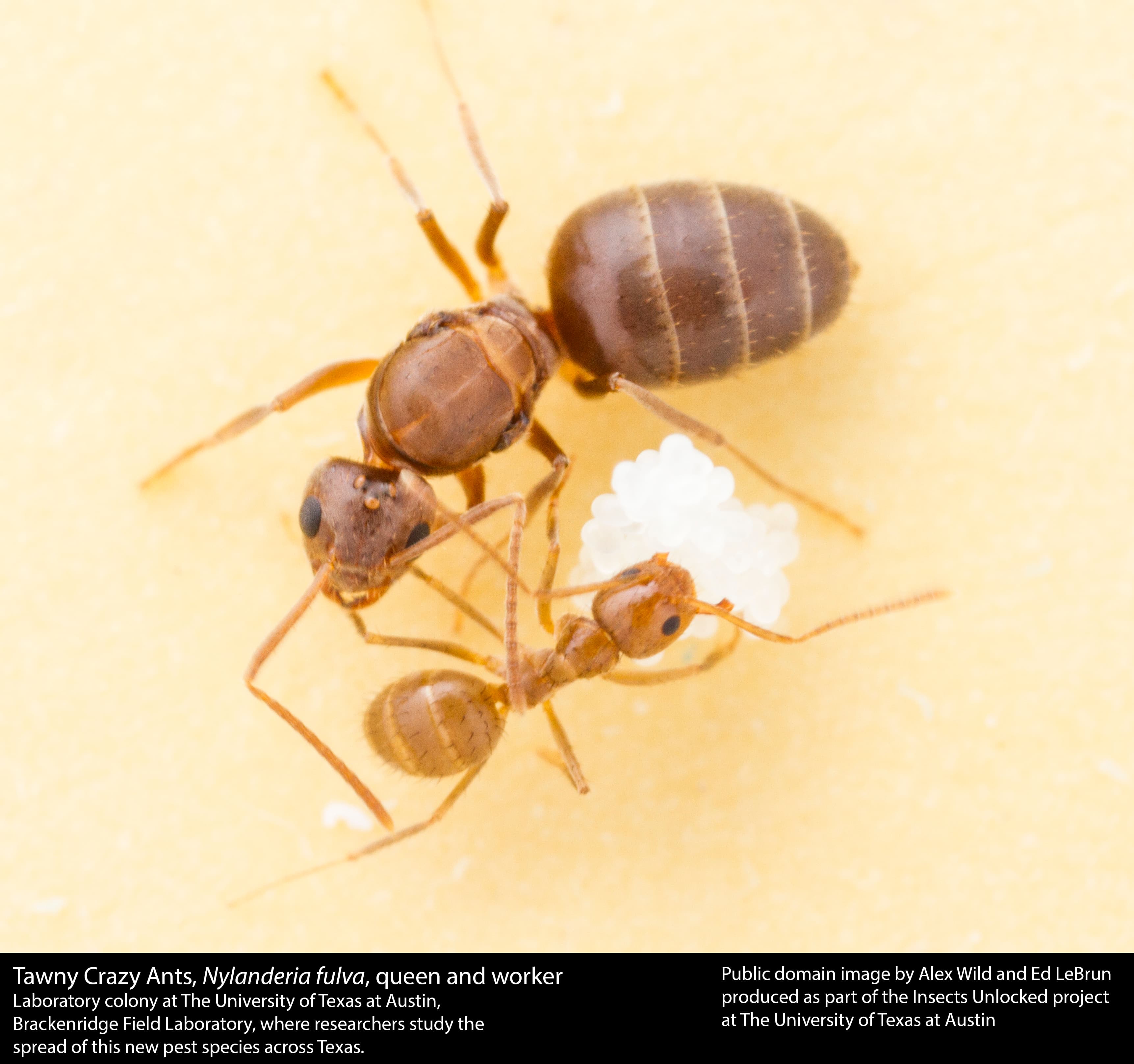
Crazy Ant
Dark brown ants, about 1/8 inch, named for their fast, erratic, non-linear running pattern. They form large colonies and are drawn to electrical equipment as well as food.
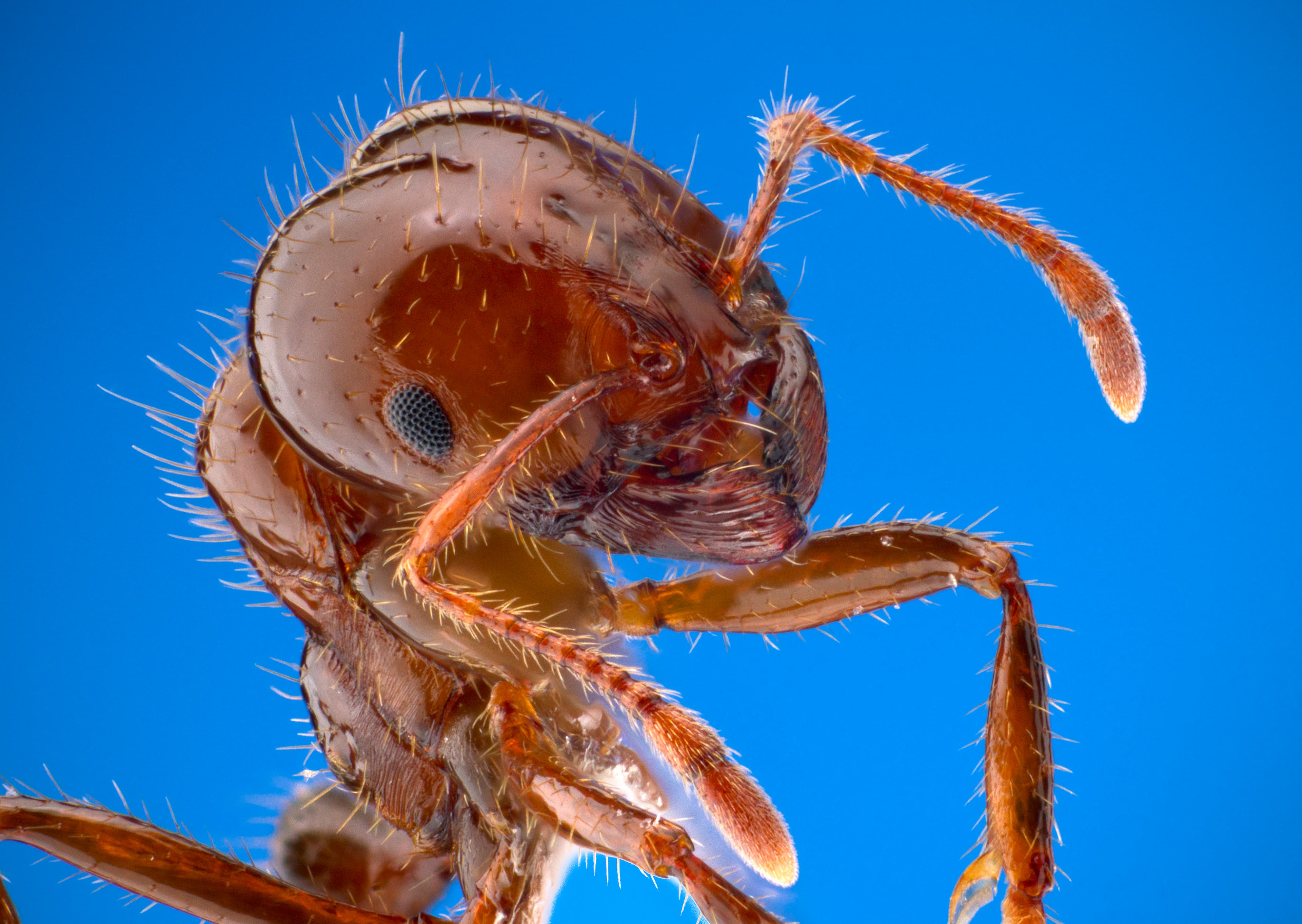
Fire Ant
Reddish-brown ants, 1/8 to 1/4 inch, that build large dome-shaped dirt mounds in open, sunny areas. Their sting causes a painful, burning welt that can blister.
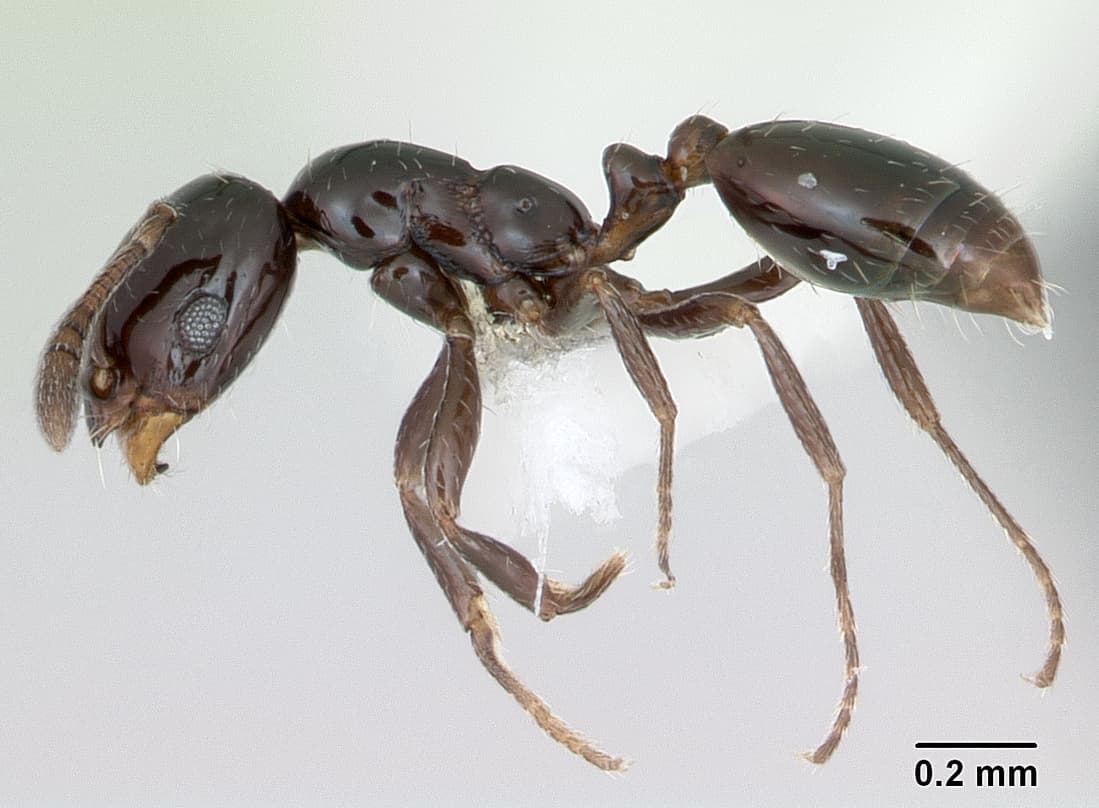
Little Black Ant
Tiny jet-black ants, about 1/16 inch, that nest in soil, under stones, or in wood, and forage in visible trails both indoors and outdoors.
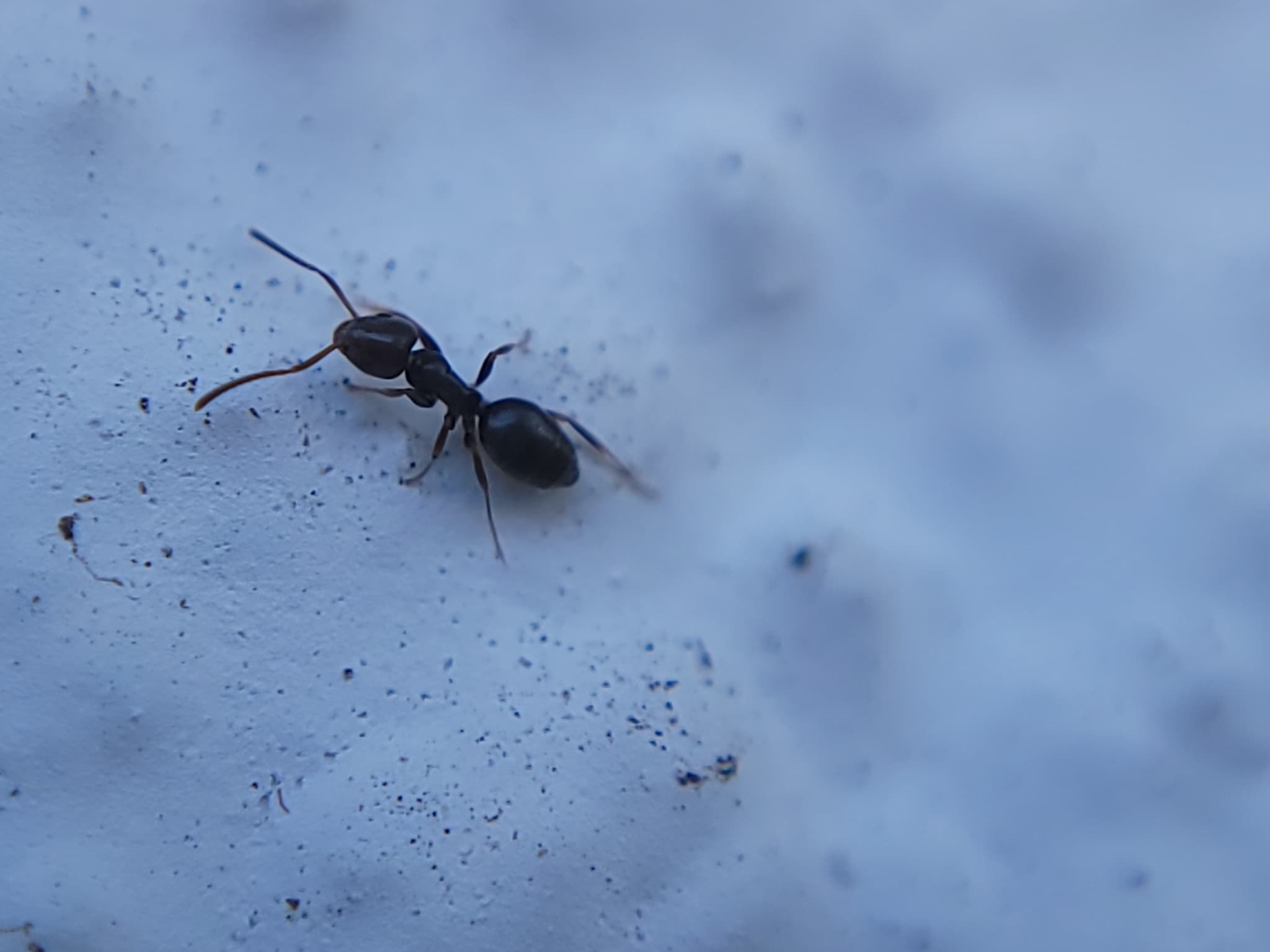
Odorous House Ant
Small dark brown to black ants, about 1/8 inch, that release a strong rotten-coconut smell when crushed. They nest in shallow soil, under mulch, or in wall voids, and form large, fast-moving trails to food, especially sweets.
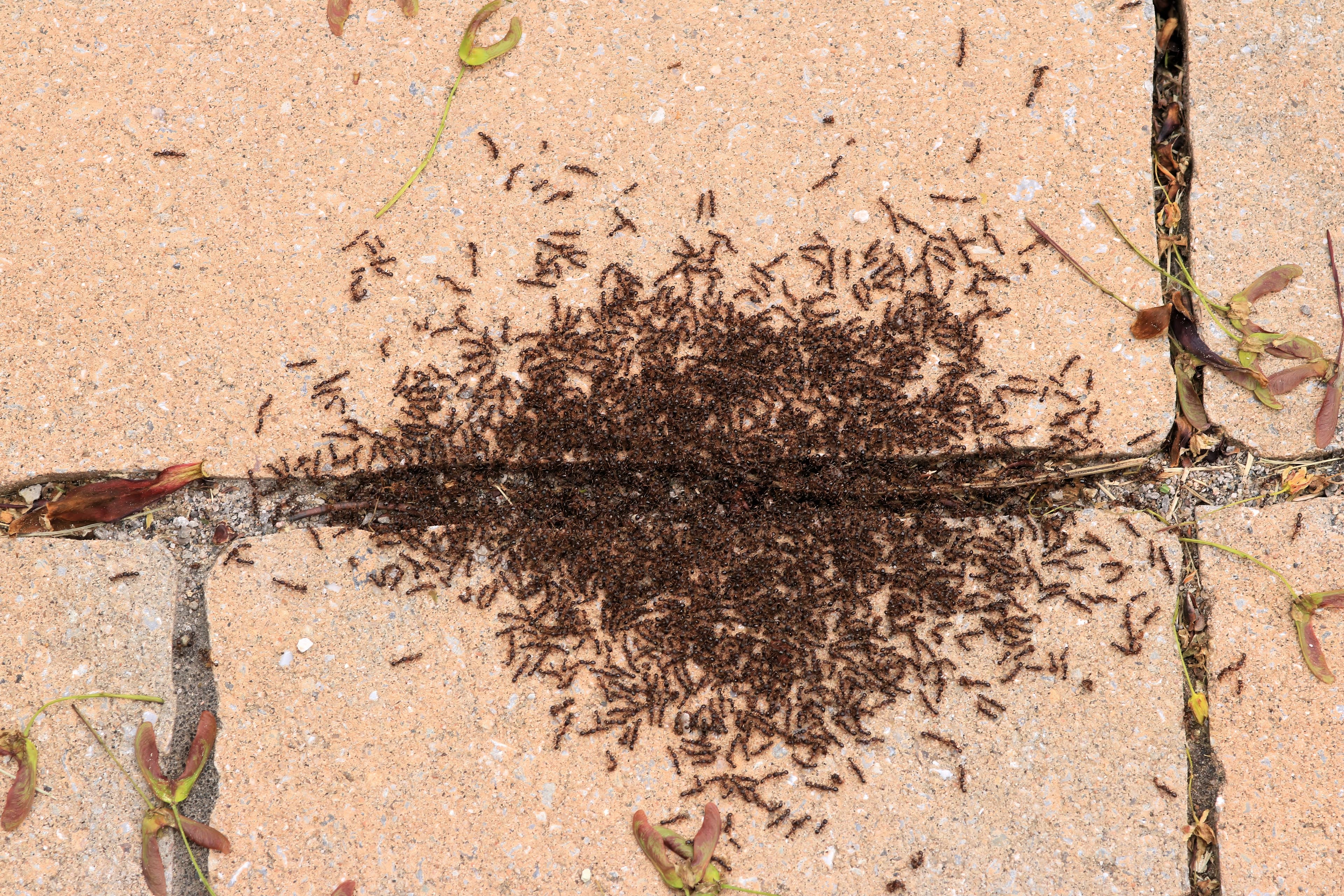
Pavement Ant
Small brown-black ants, about 1/8 inch, that nest in and under cracks in pavement, sidewalks, and foundations. Small mounds of excavated soil around cracks are a common sign of activity.
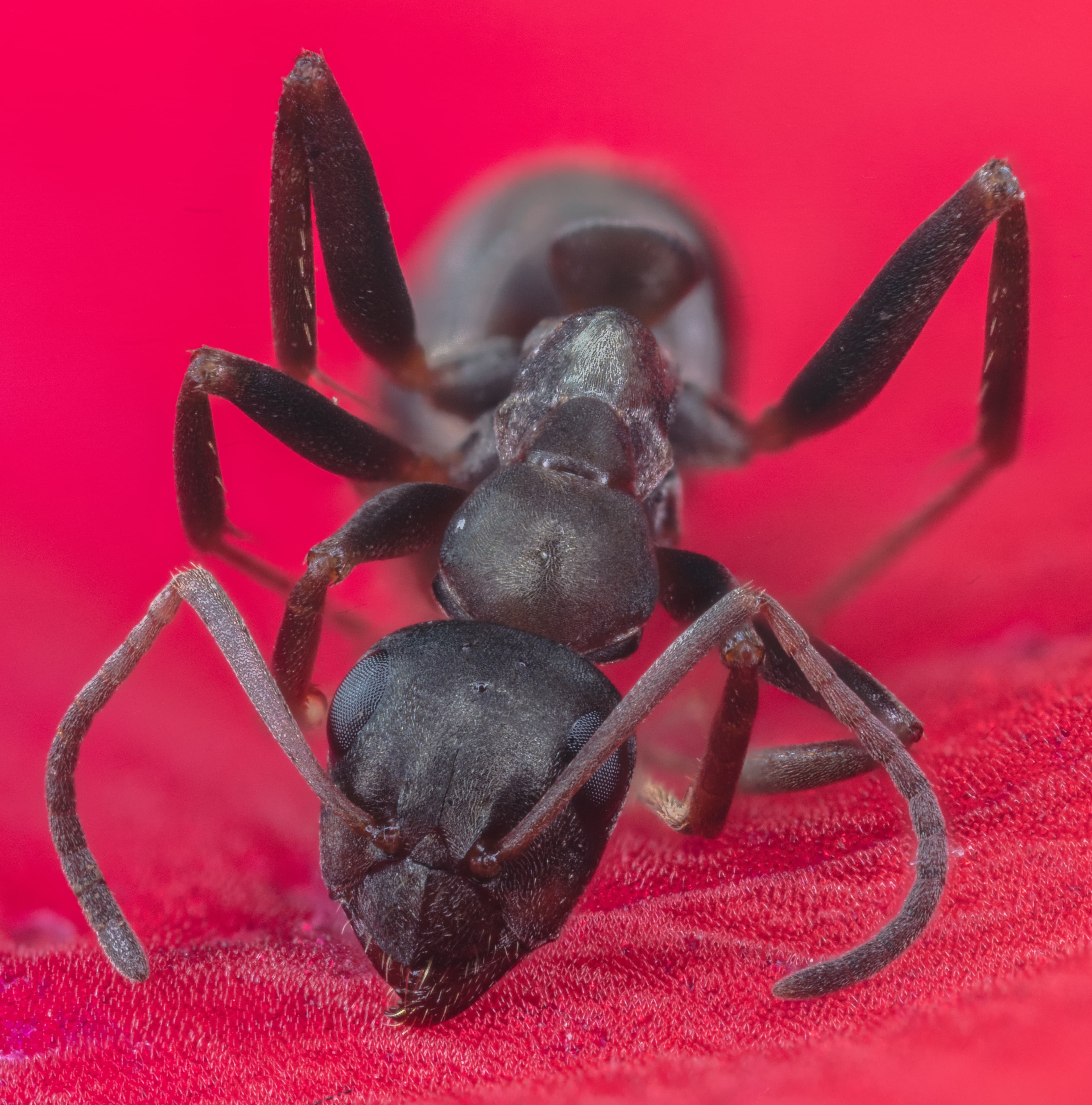
Pharaoh Ant
Tiny yellow to light brown ants, about 1/16 inch, common indoors year-round, especially in heated buildings. Colonies split easily when disturbed, making them notoriously difficult to control with contact sprays alone.
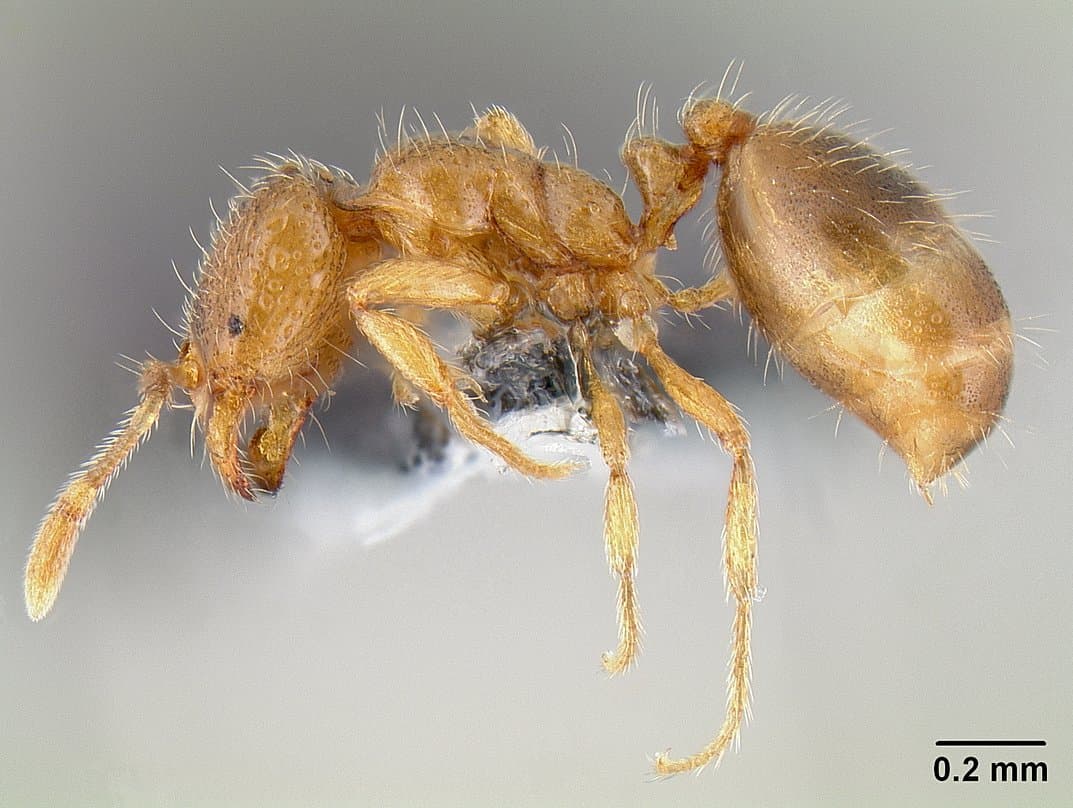
Thief Ant
Extremely small yellow to brown ants, about 1/32 inch, that nest near other ant colonies and steal their brood and food, and are drawn to greasy and protein-rich foods indoors.
Wasps, Bees & Hornets8
Paper wasps, yellowjackets, hornets, and wood-boring carpenter bees.
Wasps, Bees & Hornets8
Paper wasps, yellowjackets, hornets, and wood-boring carpenter bees.
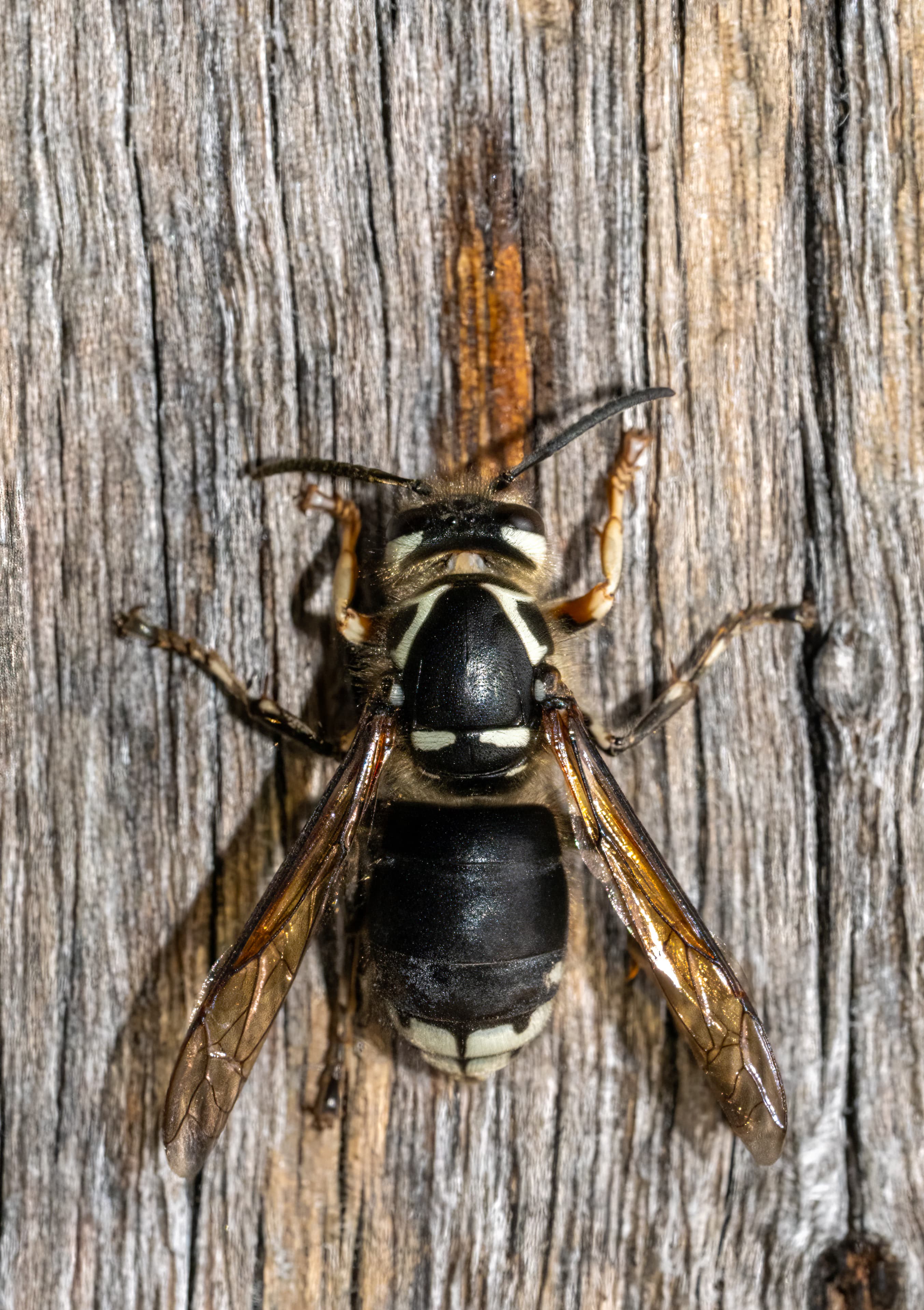
Bald-Faced Hornet
Black wasps with white/ivory facial markings that build large, enclosed, gray papery nests high in trees or on structures. Defends the nest aggressively when approached.
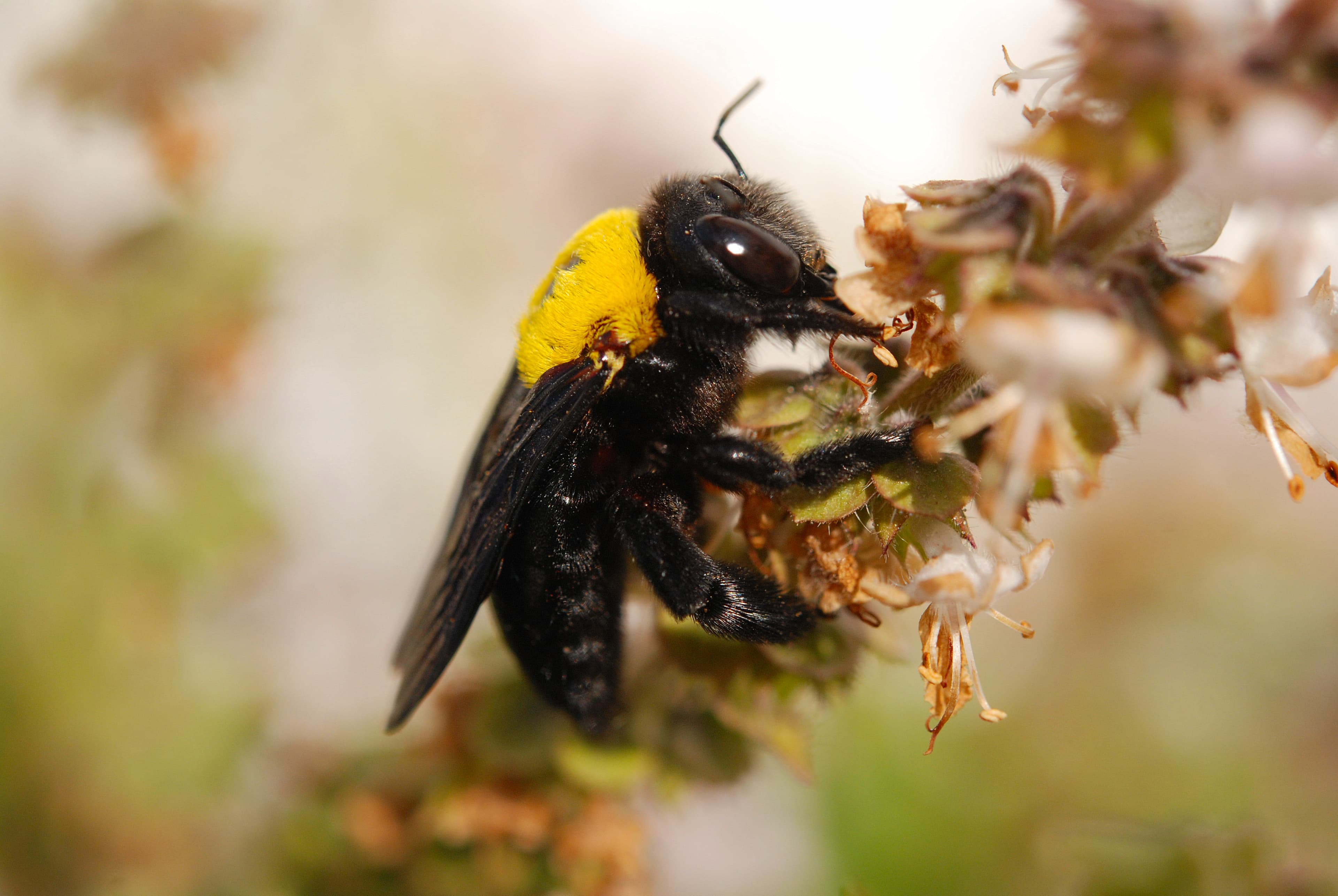
Carpenter Bee
Large, robust bees resembling bumblebees but with a shiny, hairless black abdomen. Females bore perfectly round 1/2-inch holes into untreated wood — eaves, decks, fences — to build nesting galleries.
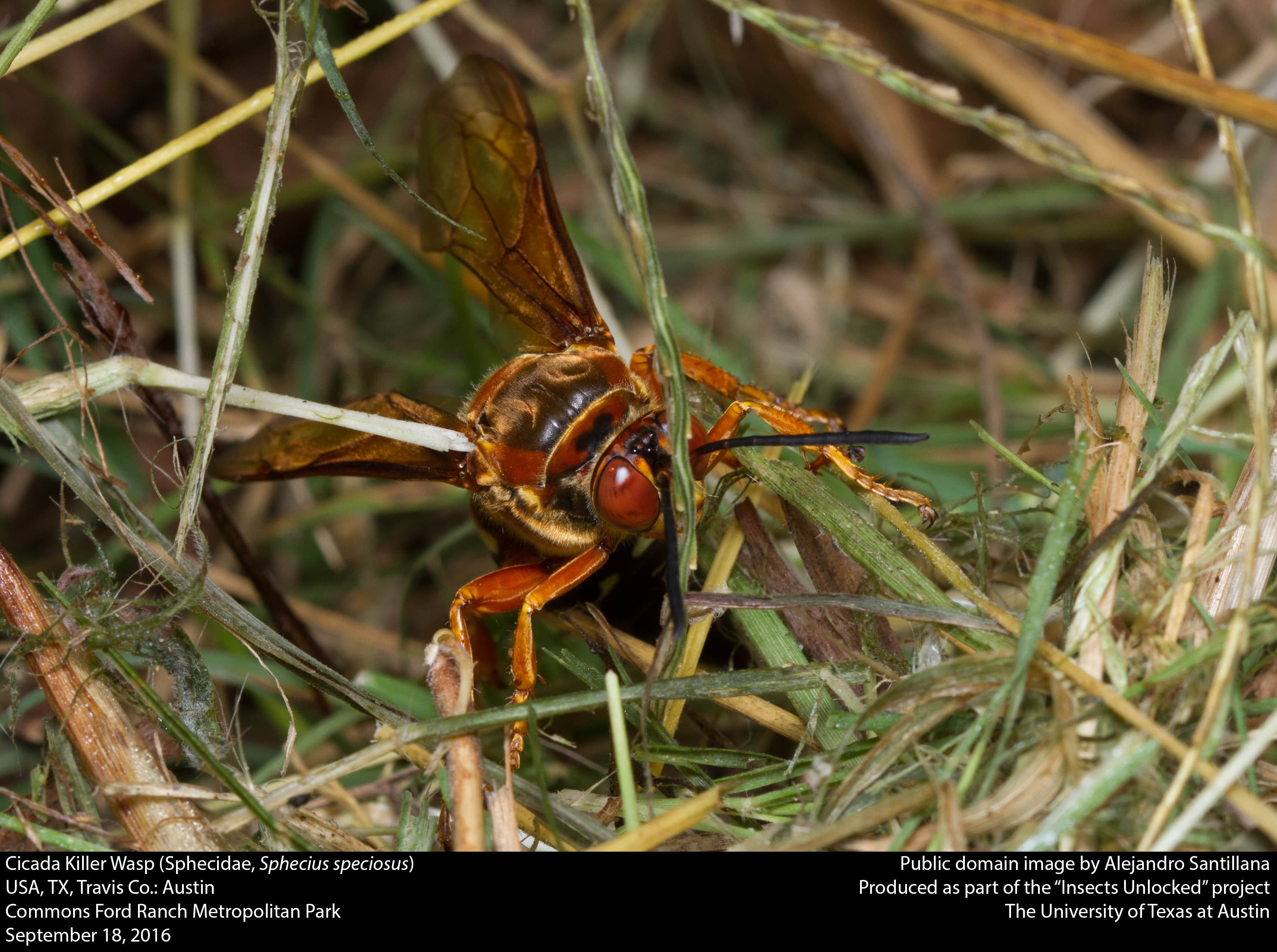
Cicada Killer Wasp
Very large solitary wasps, black and yellow, that dig burrows in sandy or bare soil and hunt cicadas to provision their nests. Males are territorial but harmless; females rarely sting unless handled.
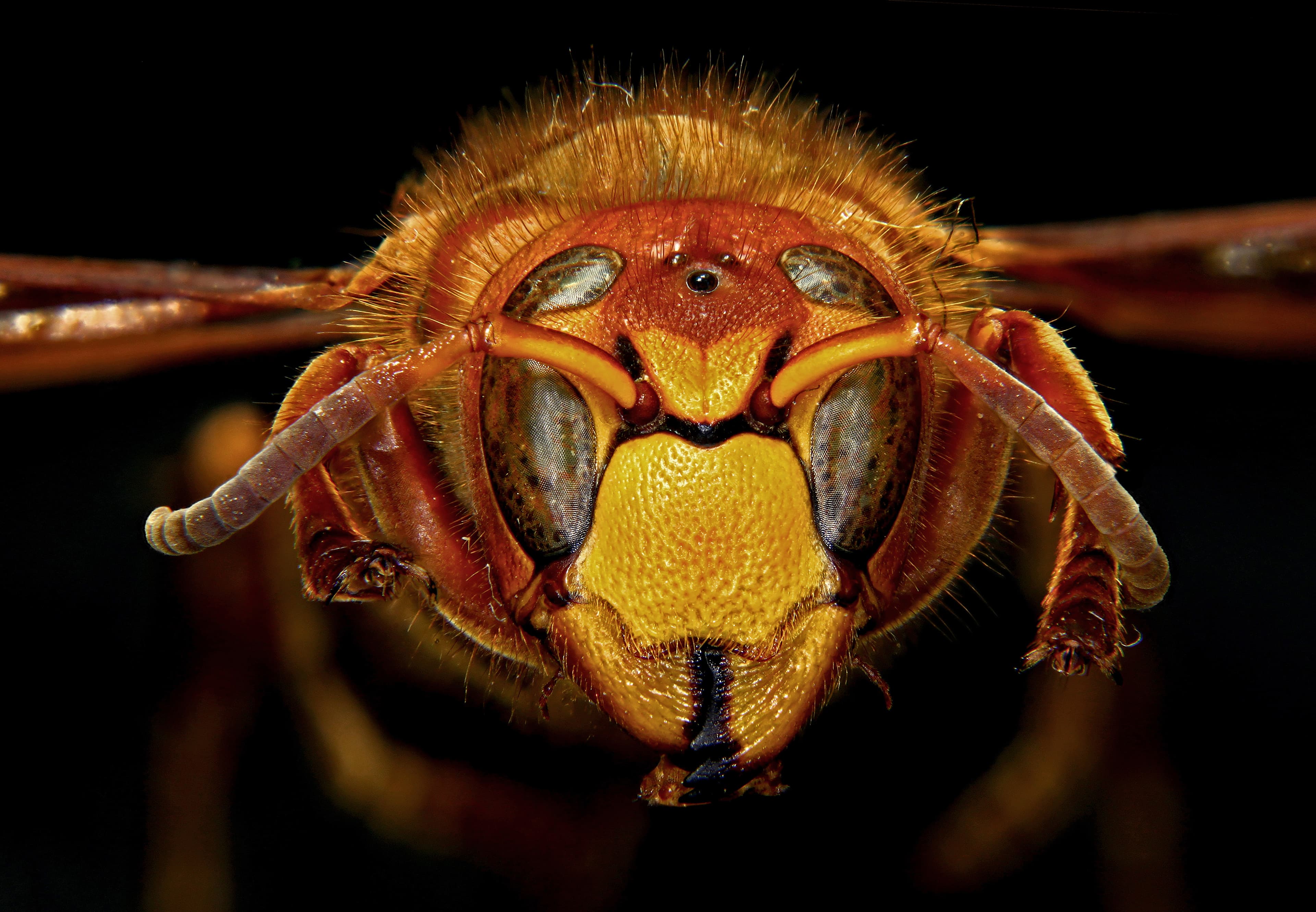
European Hornet
The largest true hornet in the US, brown and yellow with a reddish head, that nests in hollow trees or wall voids and is attracted to lights at night.
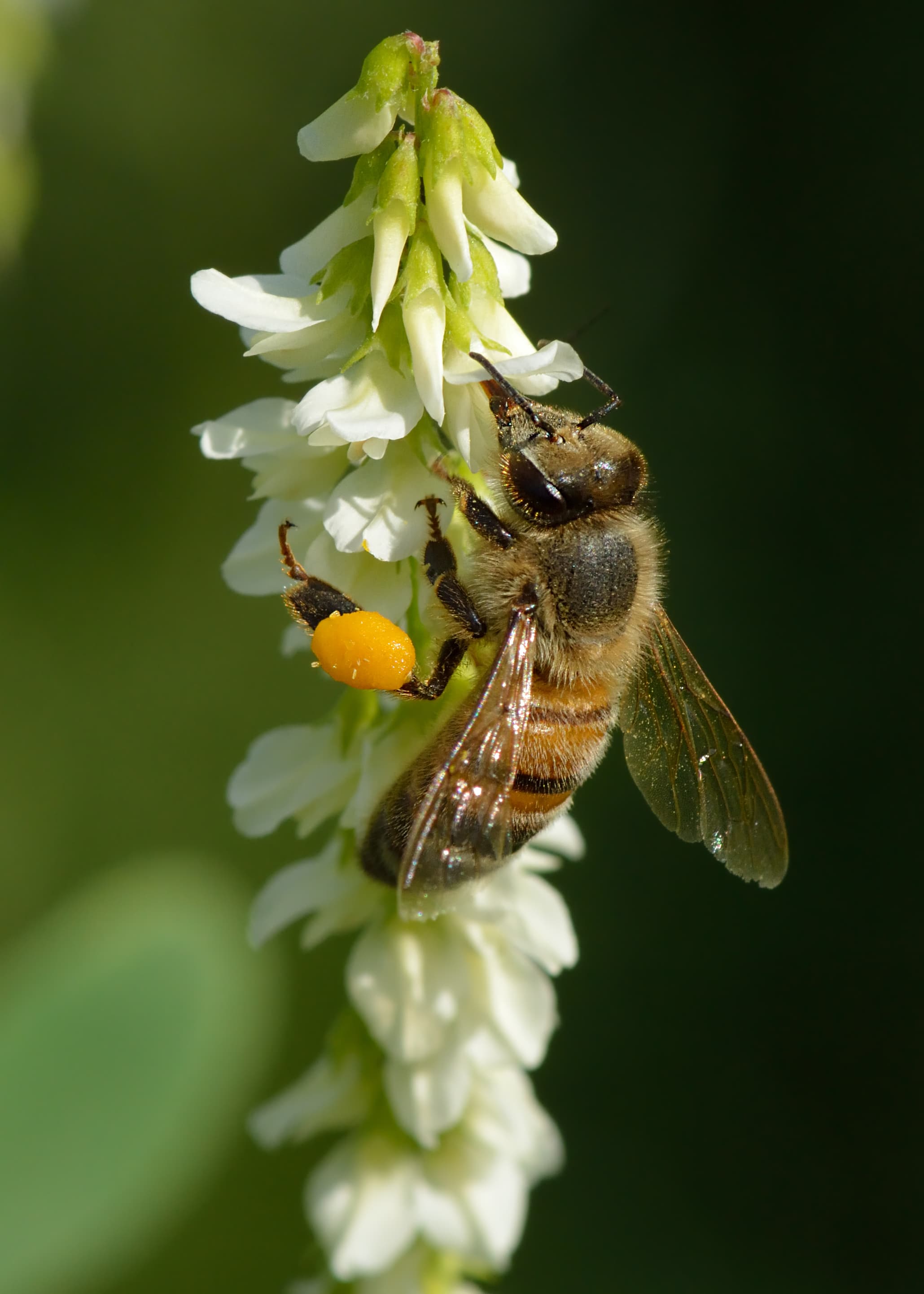
Honey Bee
Golden-brown, fuzzy bees that live in large colonies and occasionally swarm or establish hives in wall voids and chimneys. Because they're vital pollinators, live removal/relocation is generally preferred over extermination.
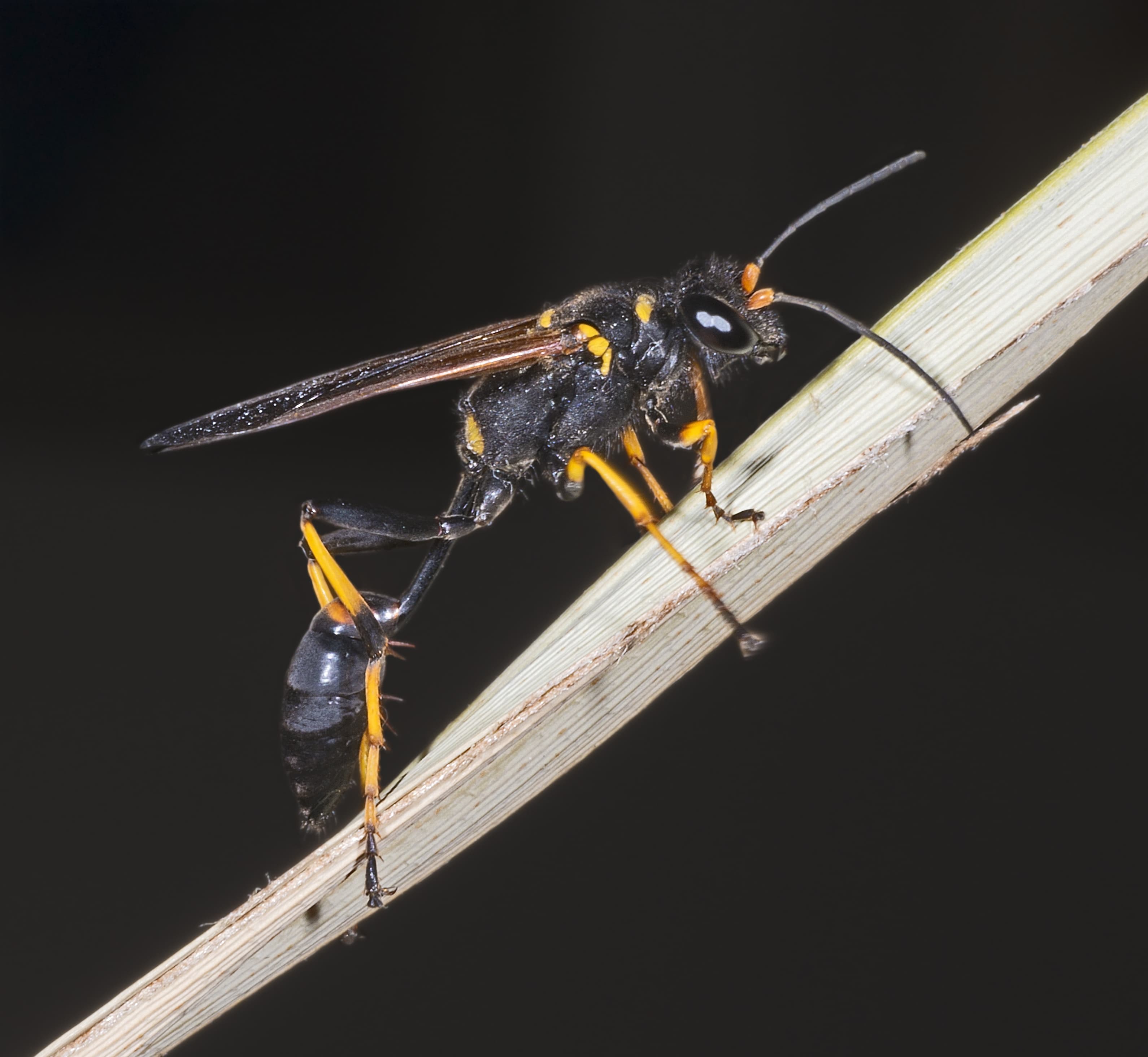
Mud Dauber Wasp
Slender, non-aggressive wasps that build tube-shaped mud nests on walls, eaves, and ceilings, provisioning them with paralyzed spiders for their larvae.
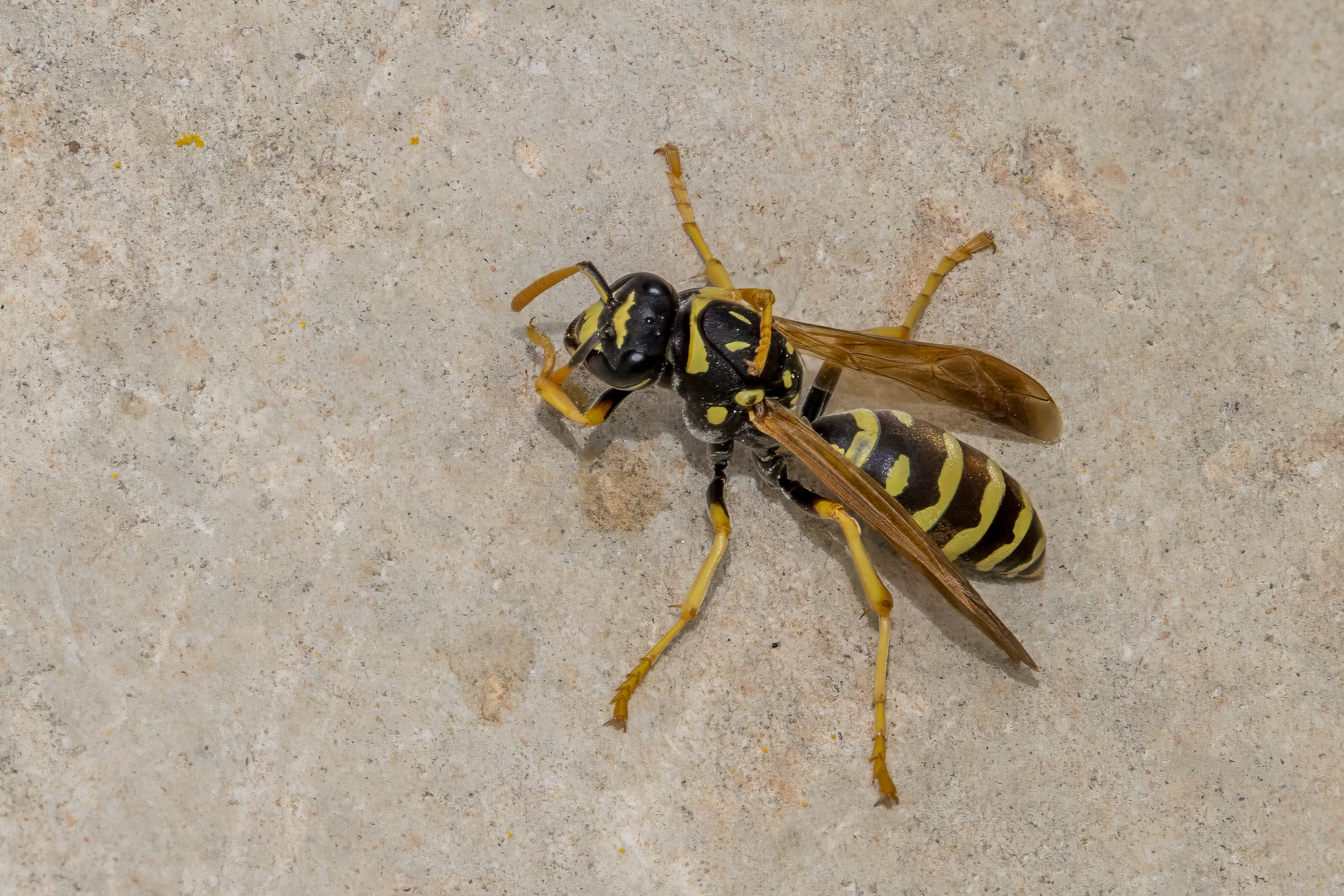
Paper Wasp
Slender wasps with long legs that build open, umbrella-shaped paper nests under eaves, railings, and other overhangs. Generally less aggressive than yellowjackets unless the nest is disturbed.
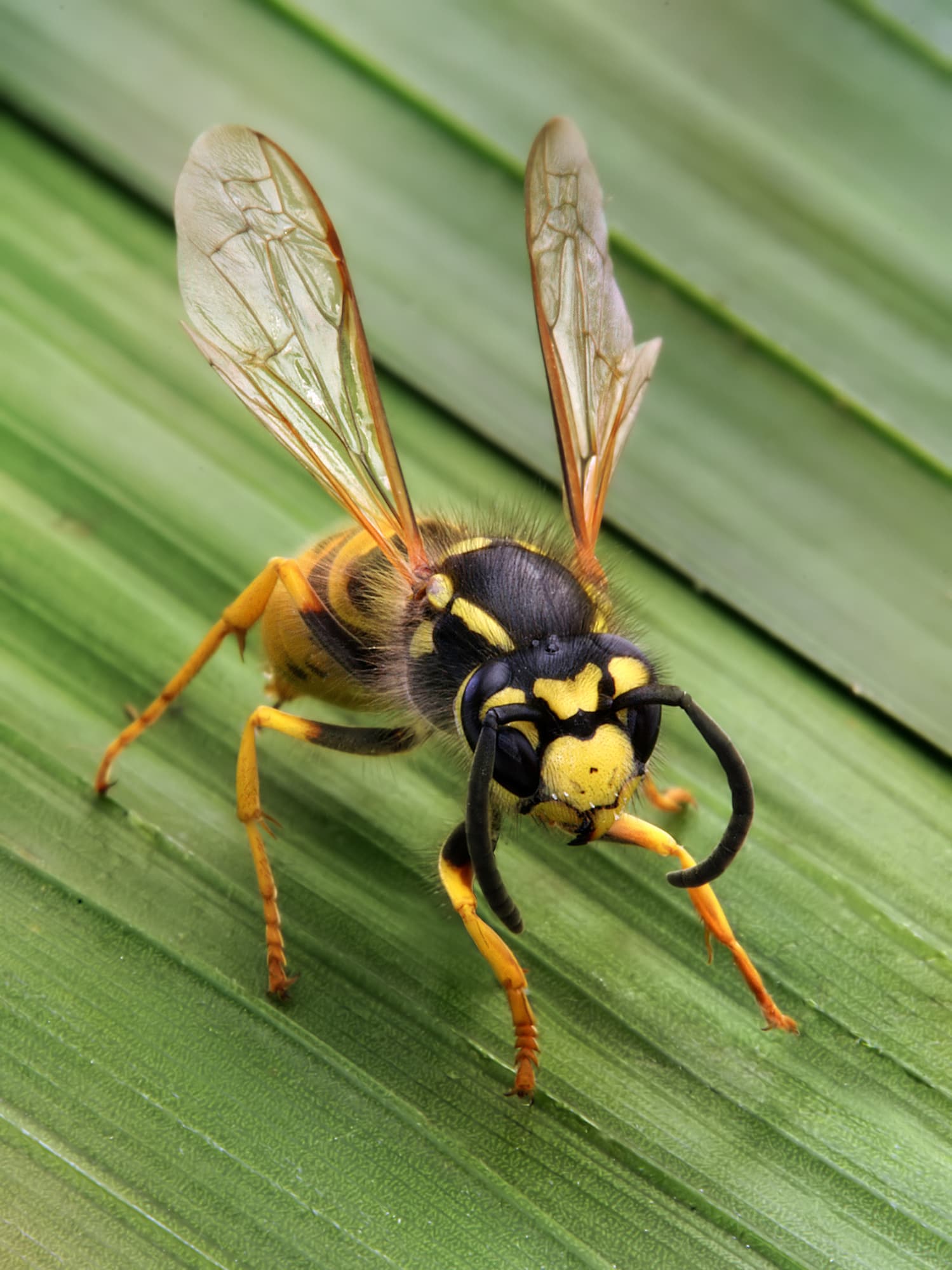
Yellowjacket
Black-and-yellow banded wasps that nest in the ground, wall voids, or hollow trees, and become aggressive in late summer/fall as colonies peak and food sources dwindle.
Spiders10
Common cobweb spiders plus Kentucky's medically significant species.
Spiders10
Common cobweb spiders plus Kentucky's medically significant species.
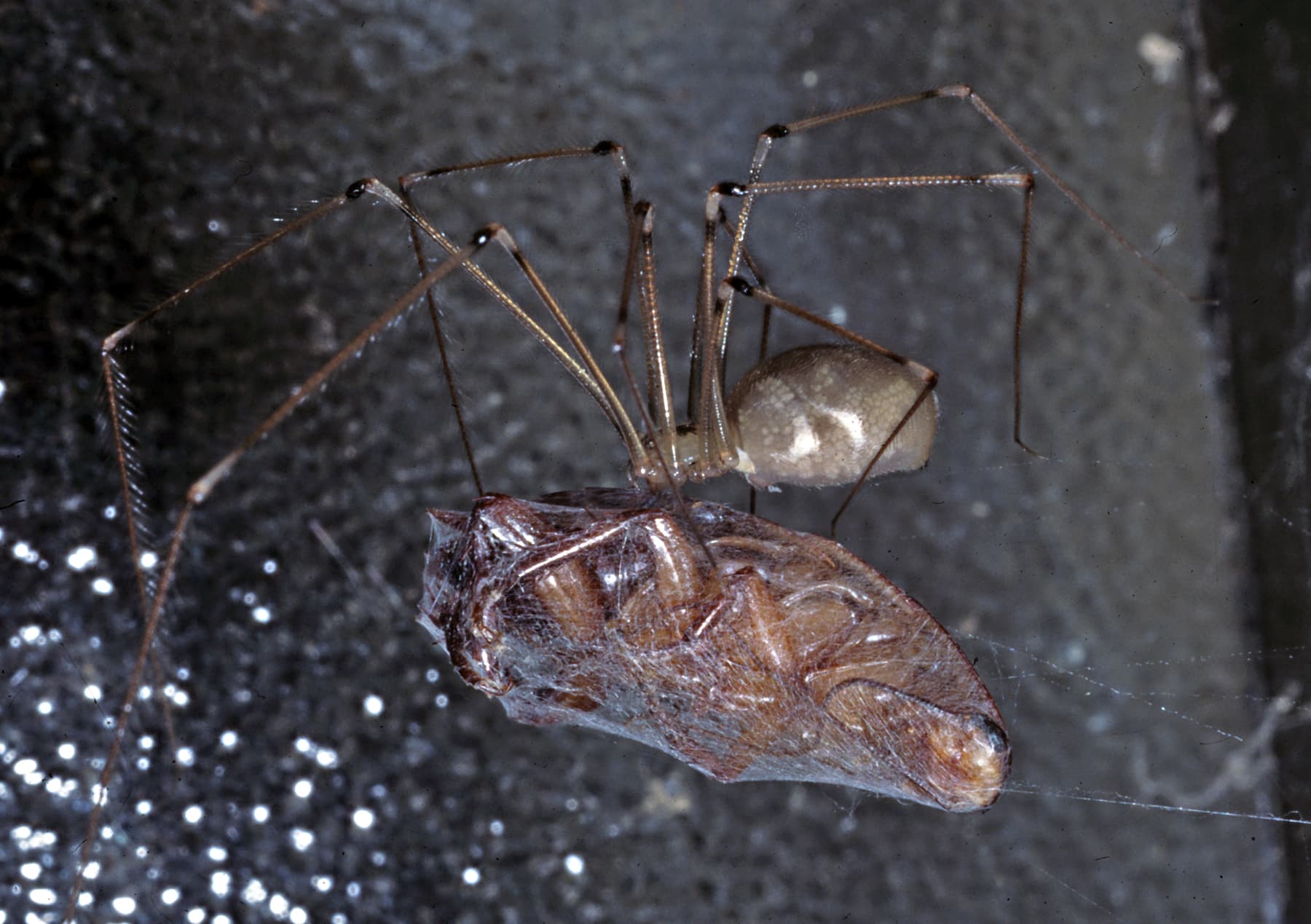
American House Spider
Small brown spiders with a bulbous, mottled abdomen that build messy, irregular cobwebs in corners, closets, and basements. Common and largely harmless indoor spiders.
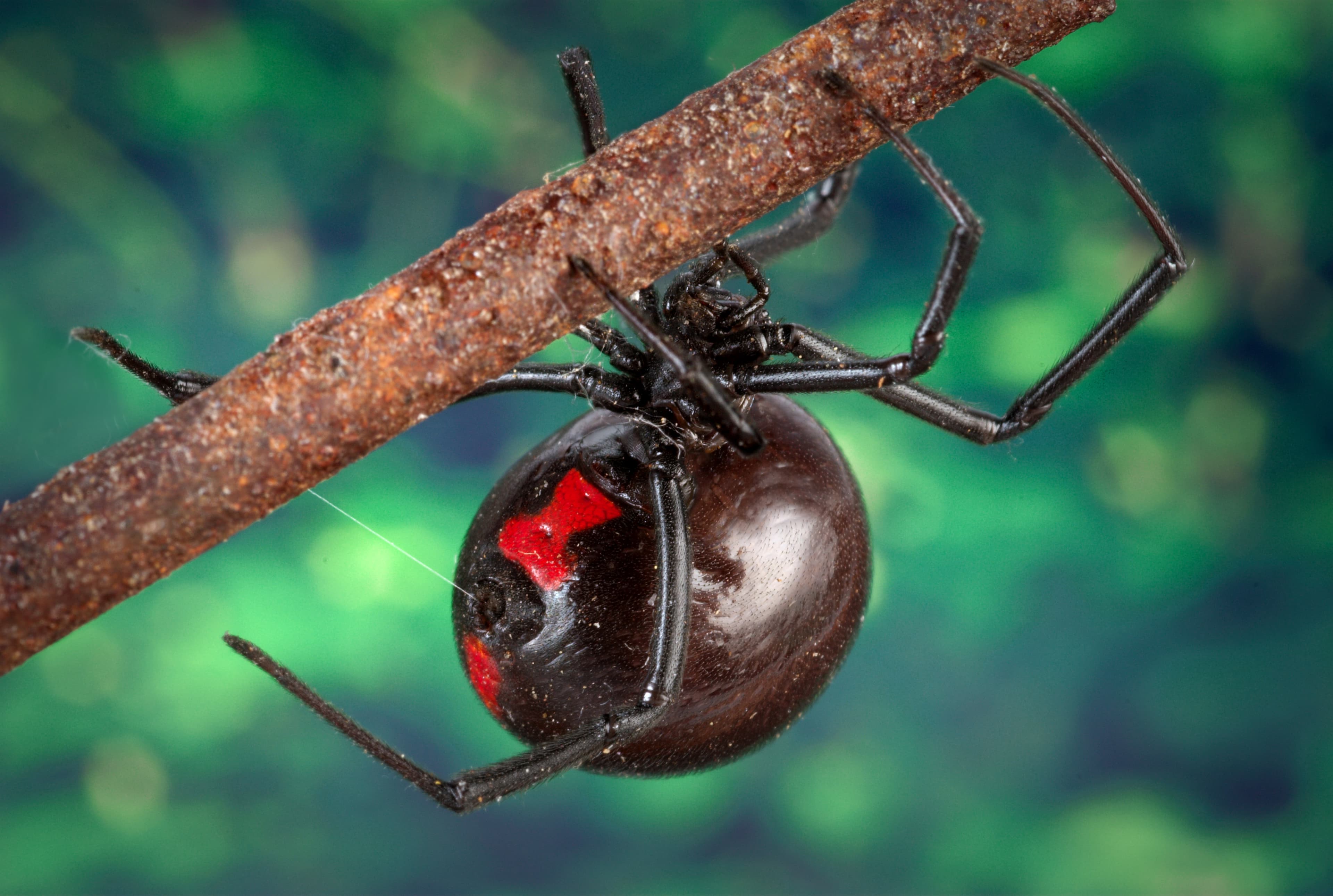
Black Widow Spider
Shiny black spiders with a signature red hourglass marking on the underside of the abdomen. They build irregular, tangled webs in dark, sheltered spots like woodpiles, garages, and sheds. Their venomous bite can cause serious symptoms and warrants medical attention.
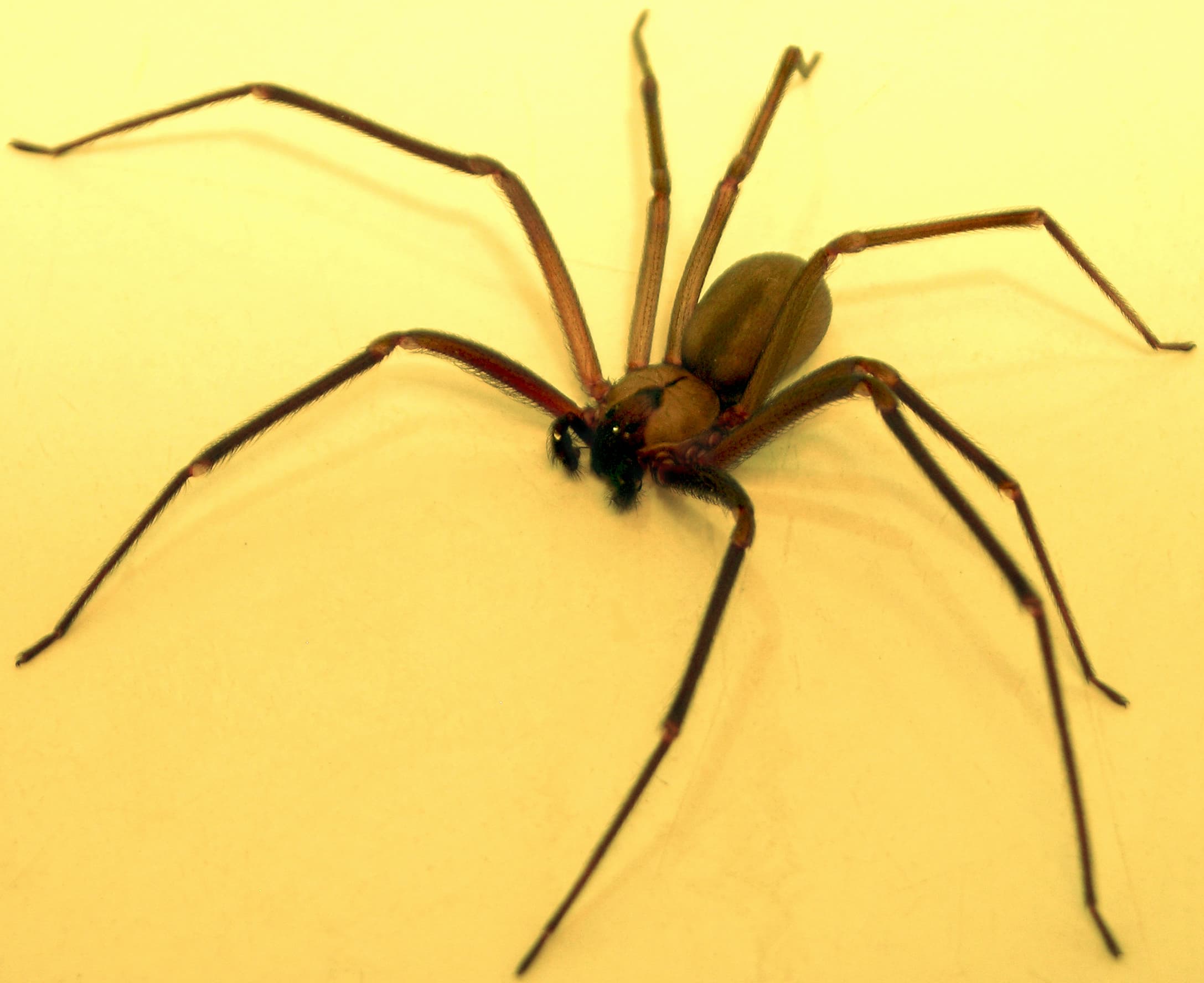
Brown Recluse Spider
Light to dark brown spiders with a distinctive dark violin-shaped marking on the top of the head area and six eyes (most spiders have eight). They favor dark, undisturbed spaces like closets, boxes, and basements, and their bite can cause a serious wound requiring medical attention.
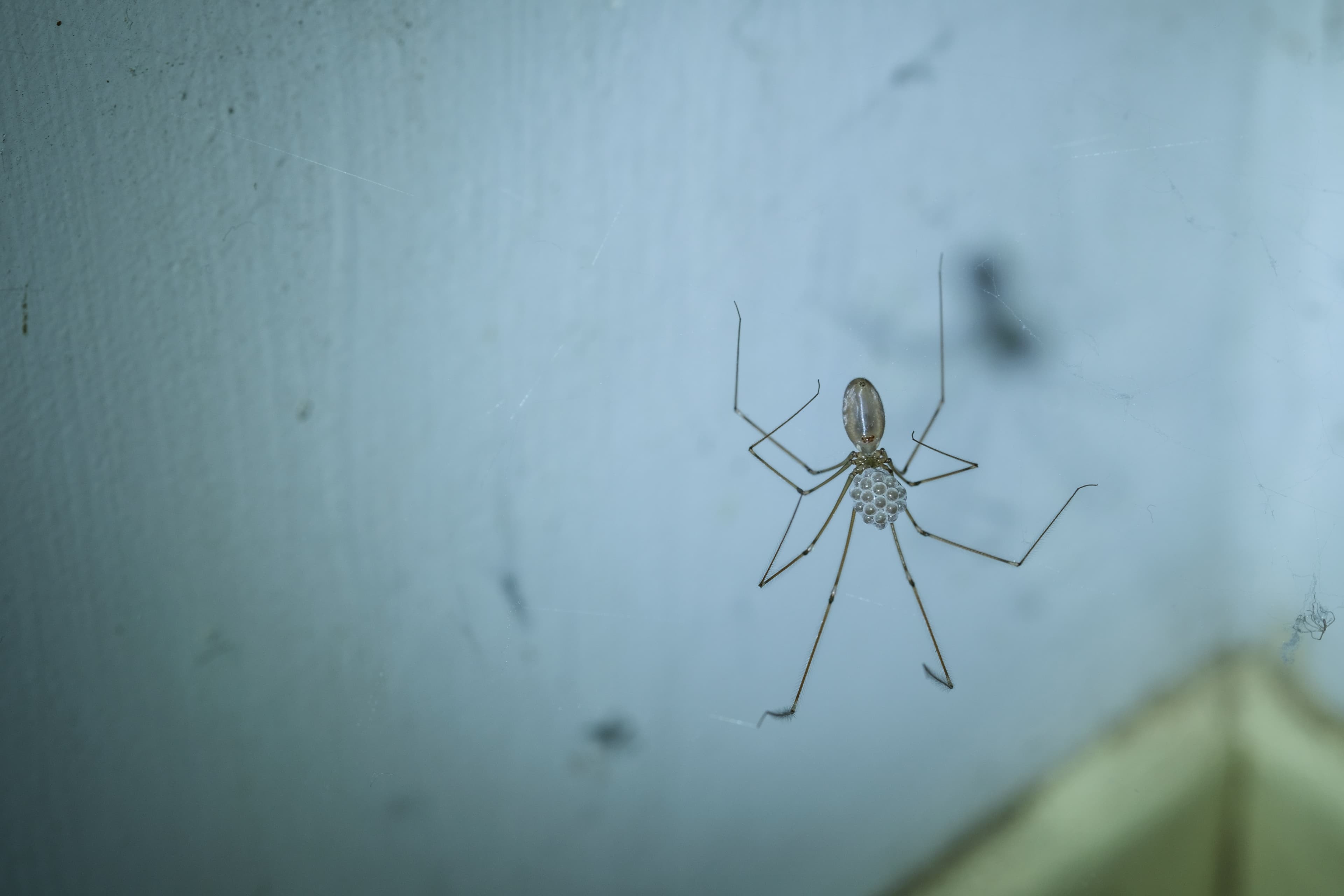
Cellar Spider
Also called 'daddy long legs spiders' — pale, long-legged spiders with small bodies that build loose, tangled webs in damp, dark areas like basements and crawl spaces.
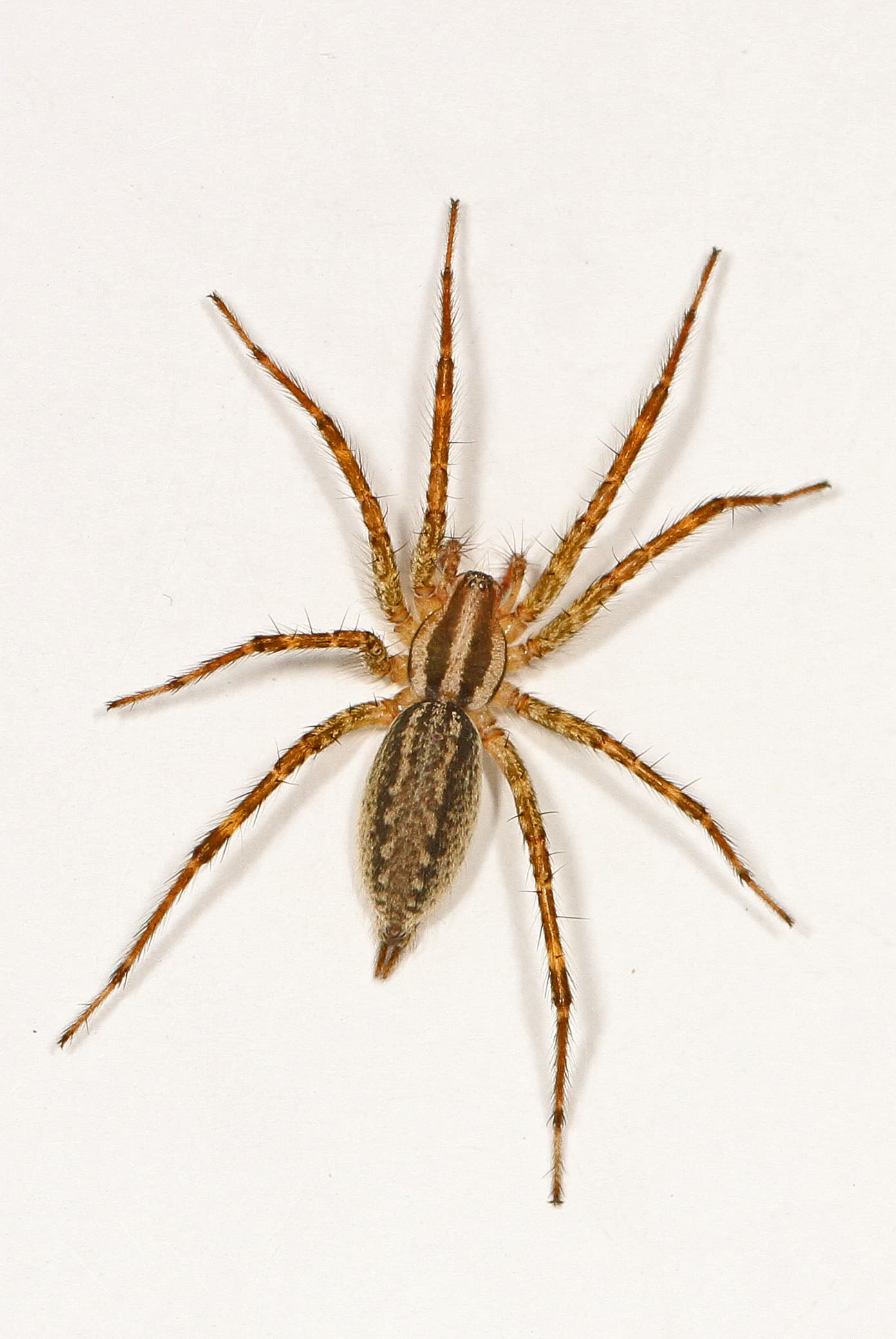
Grass Spider
Brown, striped spiders that build flat, funnel-shaped webs in grass, shrubs, and along foundations, retreating into a funnel when disturbed.
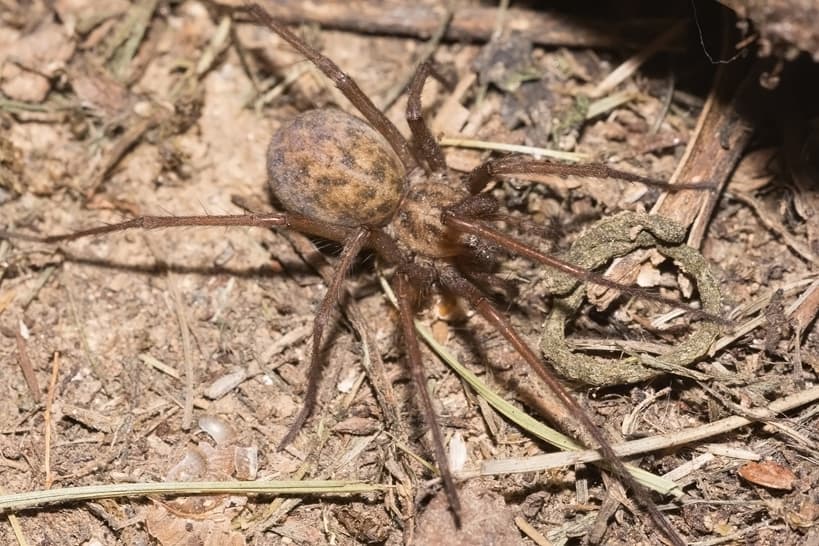
Hobo Spider
Brown, fast-running spiders with a chevron pattern on the abdomen that build funnel-shaped webs at ground level, often near foundations. Most common in the Pacific Northwest.
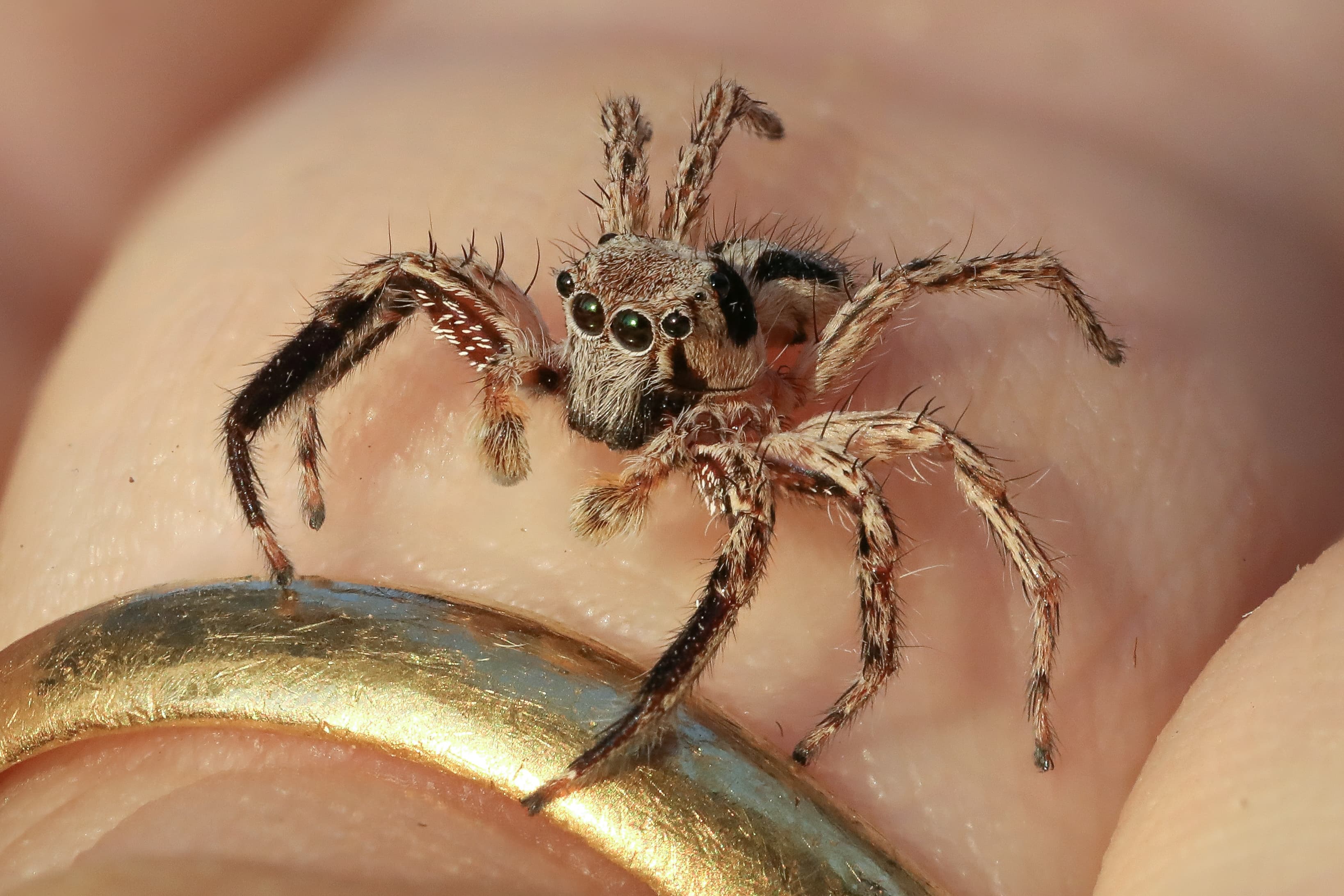
Jumping Spider
Compact, fuzzy spiders with large forward-facing eyes and excellent vision, known for stalking prey and jumping rather than building webs. Harmless but can startle homeowners with sudden movement.
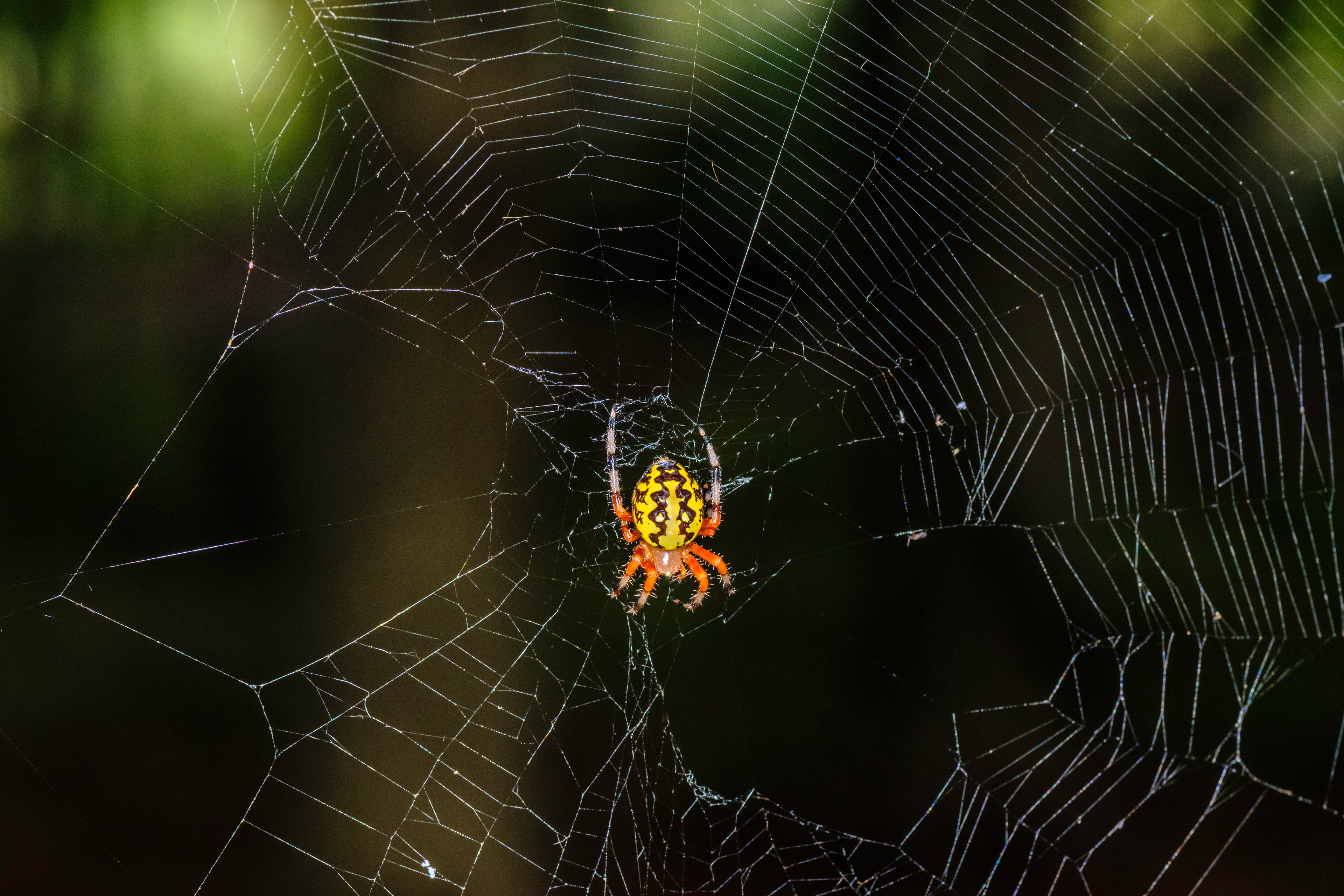
Orb Weaver Spider
Large, often colorful spiders that build the classic large, circular, spiral webs outdoors between structures, plants, and eaves — most noticeable in late summer and fall.
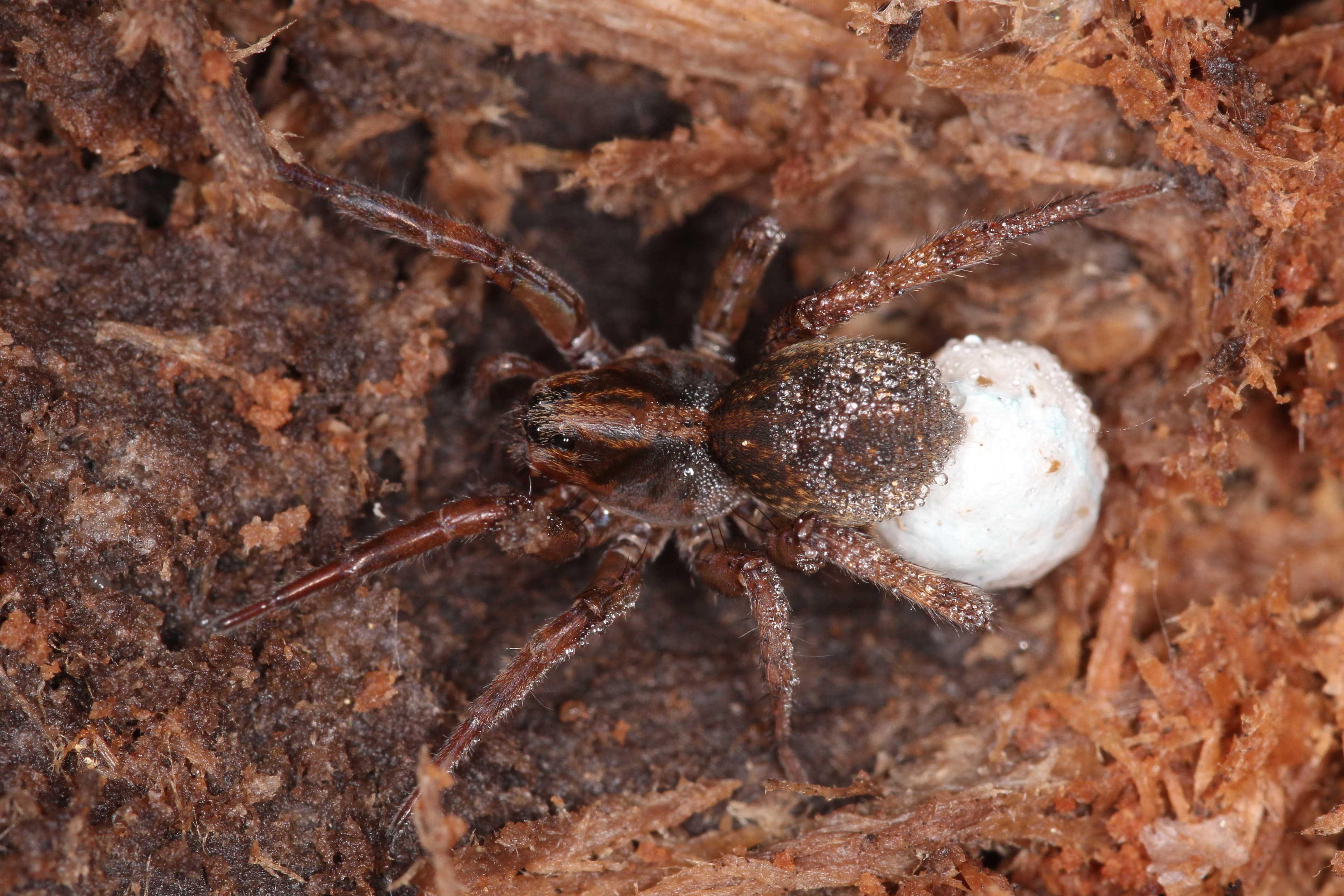
Wolf Spider
Large, hairy, brown-and-gray mottled spiders that hunt on the ground rather than spinning webs. Often mistaken for tarantulas, they wander indoors especially in fall while seeking shelter.
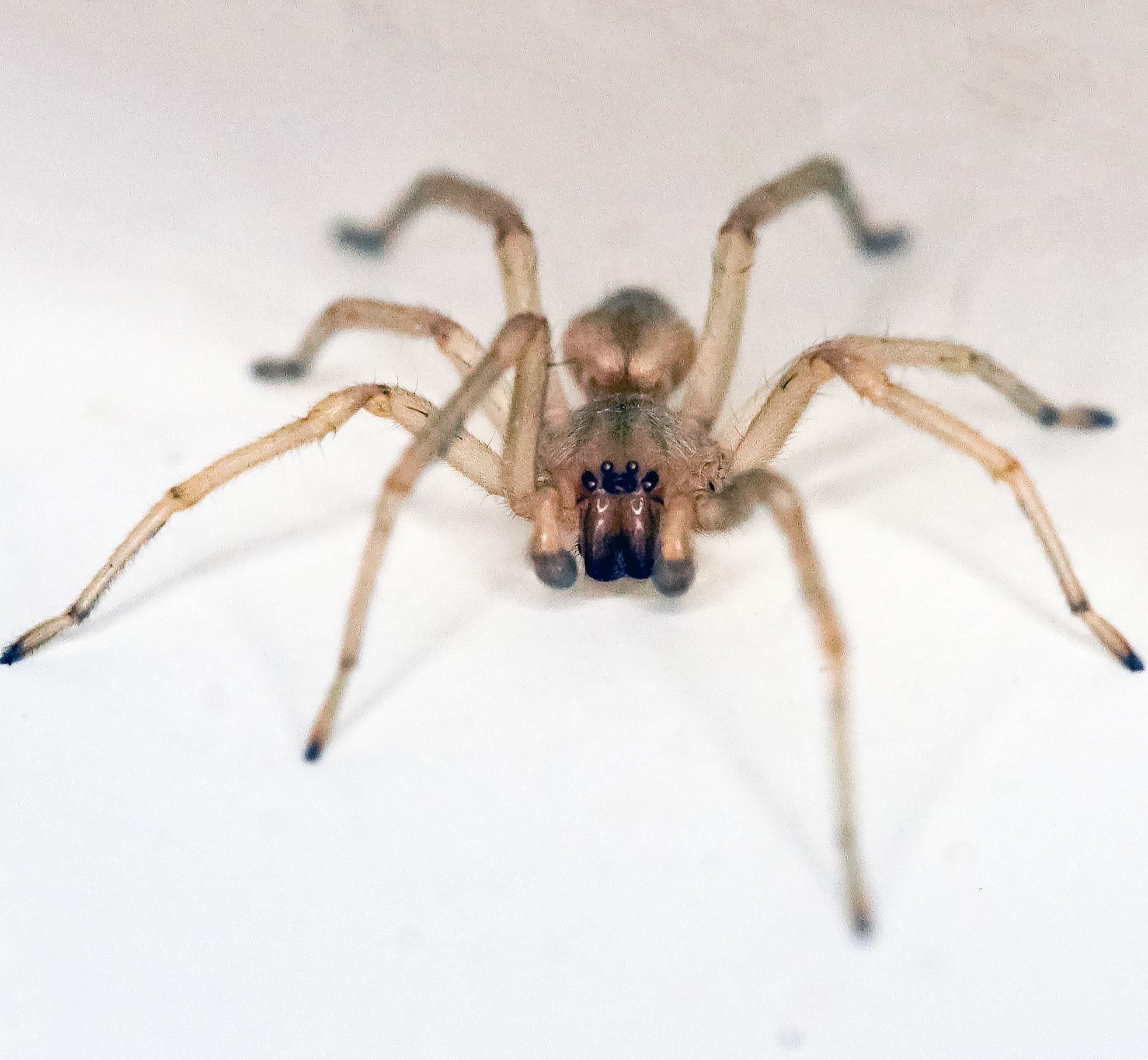
Yellow Sac Spider
Pale yellow to greenish spiders that build small silk sacs in corners of ceilings and walls where they rest during the day. Their bite is more likely than most house spiders to cause a reaction.
Cockroaches5
From kitchen-dwelling German roaches to large outdoor species.
Cockroaches5
From kitchen-dwelling German roaches to large outdoor species.
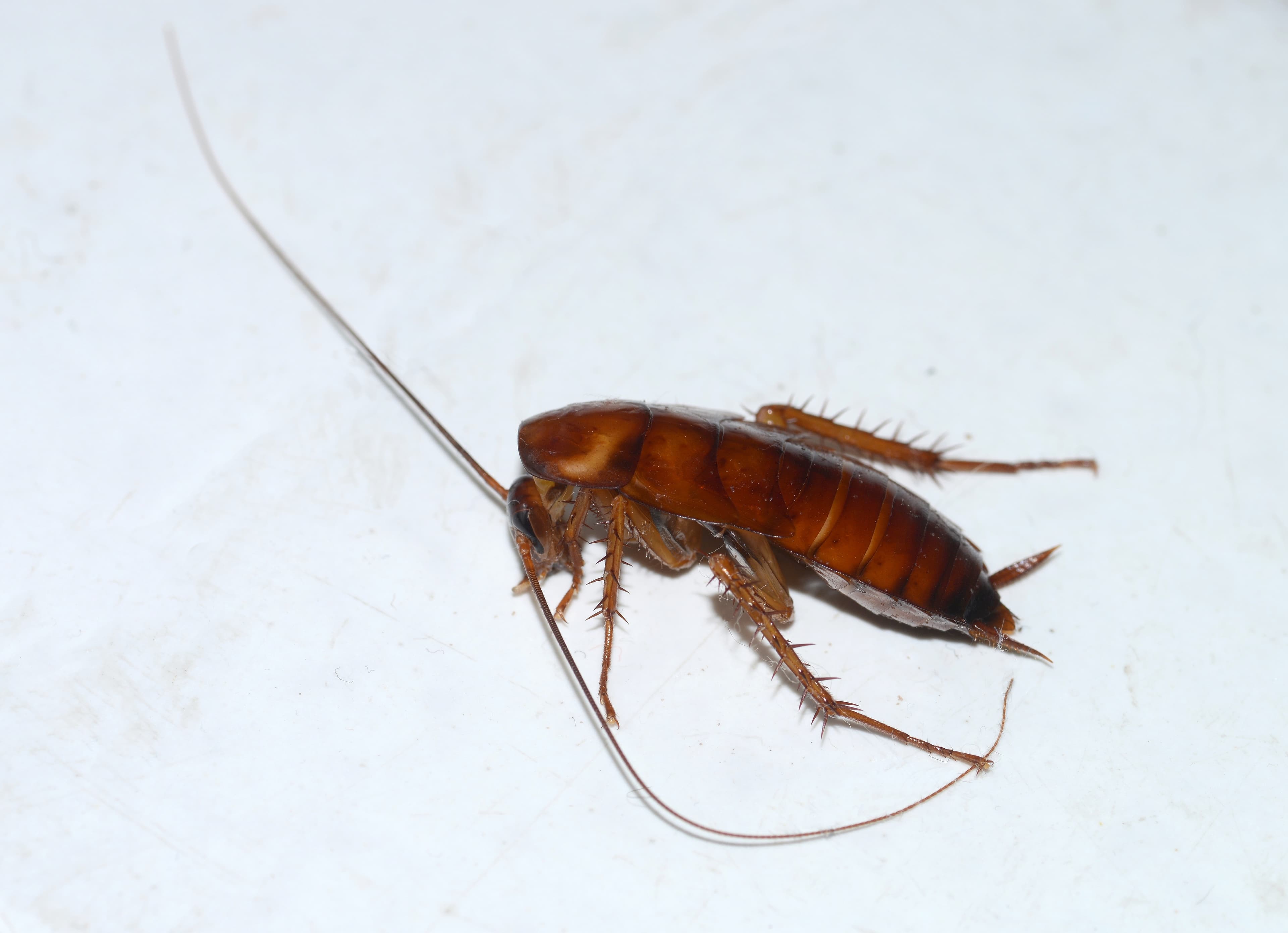
American Cockroach
The largest common house cockroach, reddish-brown with a pale figure-8 marking behind the head, often found in basements, sewers, and around plumbing.
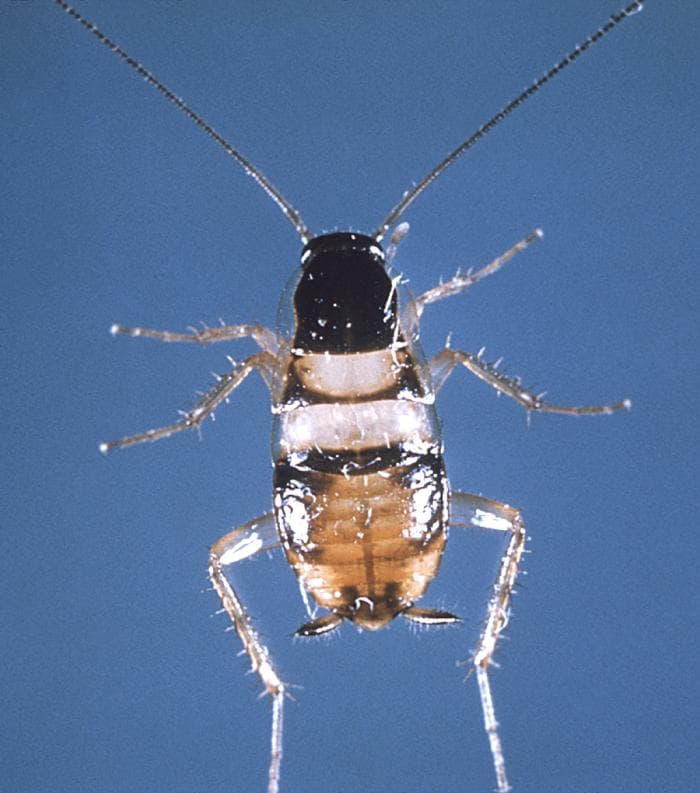
Brown-Banded Cockroach
Small light brown roaches with two lighter bands across the wings, notable for preferring warmer, drier areas than other roaches — often found in bedrooms and living rooms, not just kitchens.
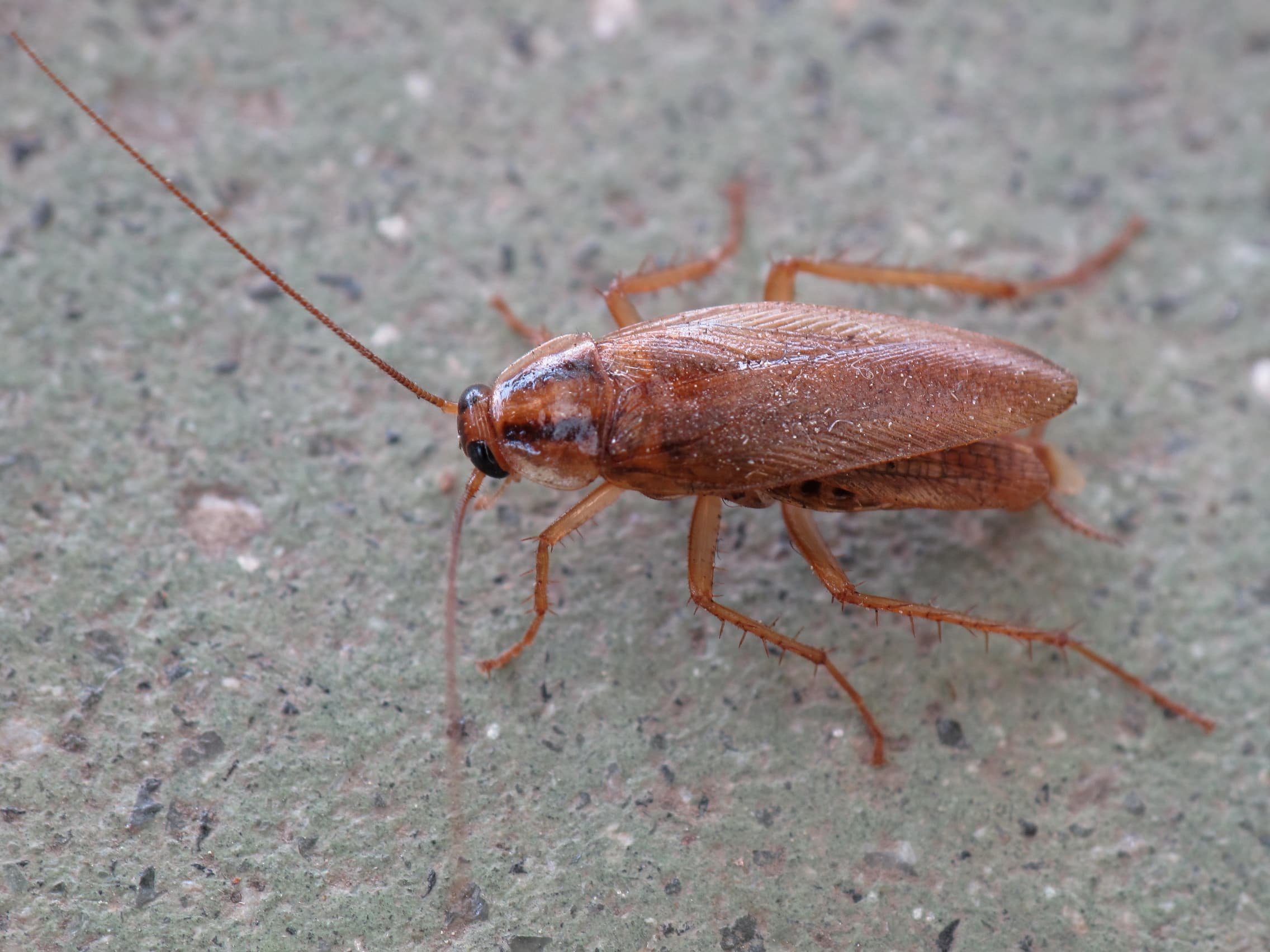
German Cockroach
Light brown roaches, about 1/2 to 5/8 inch, with two dark parallel stripes behind the head. The most common indoor cockroach, favoring warm, humid areas near kitchens and bathrooms, and reproducing quickly.
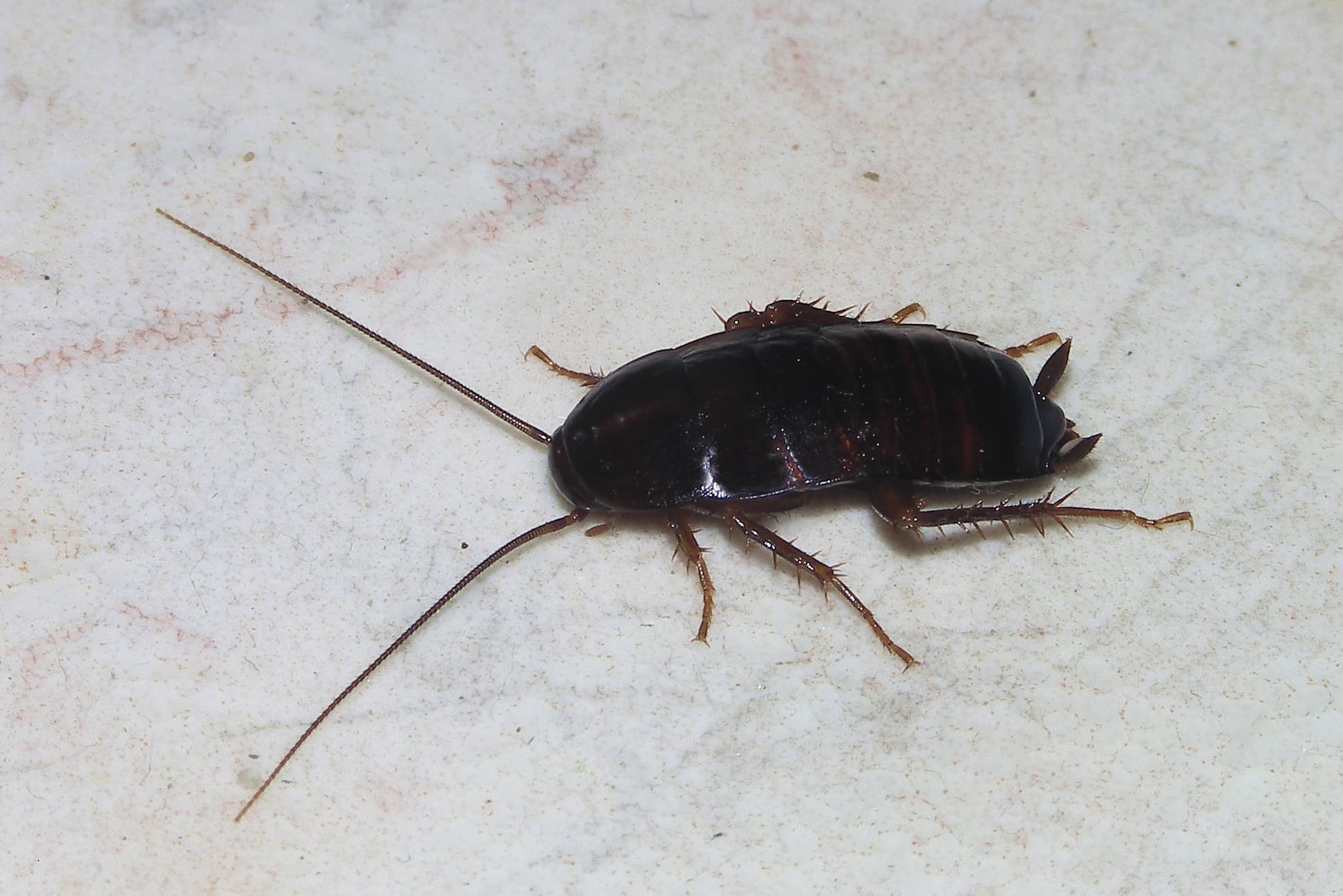
Oriental Cockroach
Shiny black-brown roaches, sometimes called 'water bugs,' that prefer cool, damp areas like drains, basements, and crawl spaces, and emit a strong musty odor in heavy infestations.
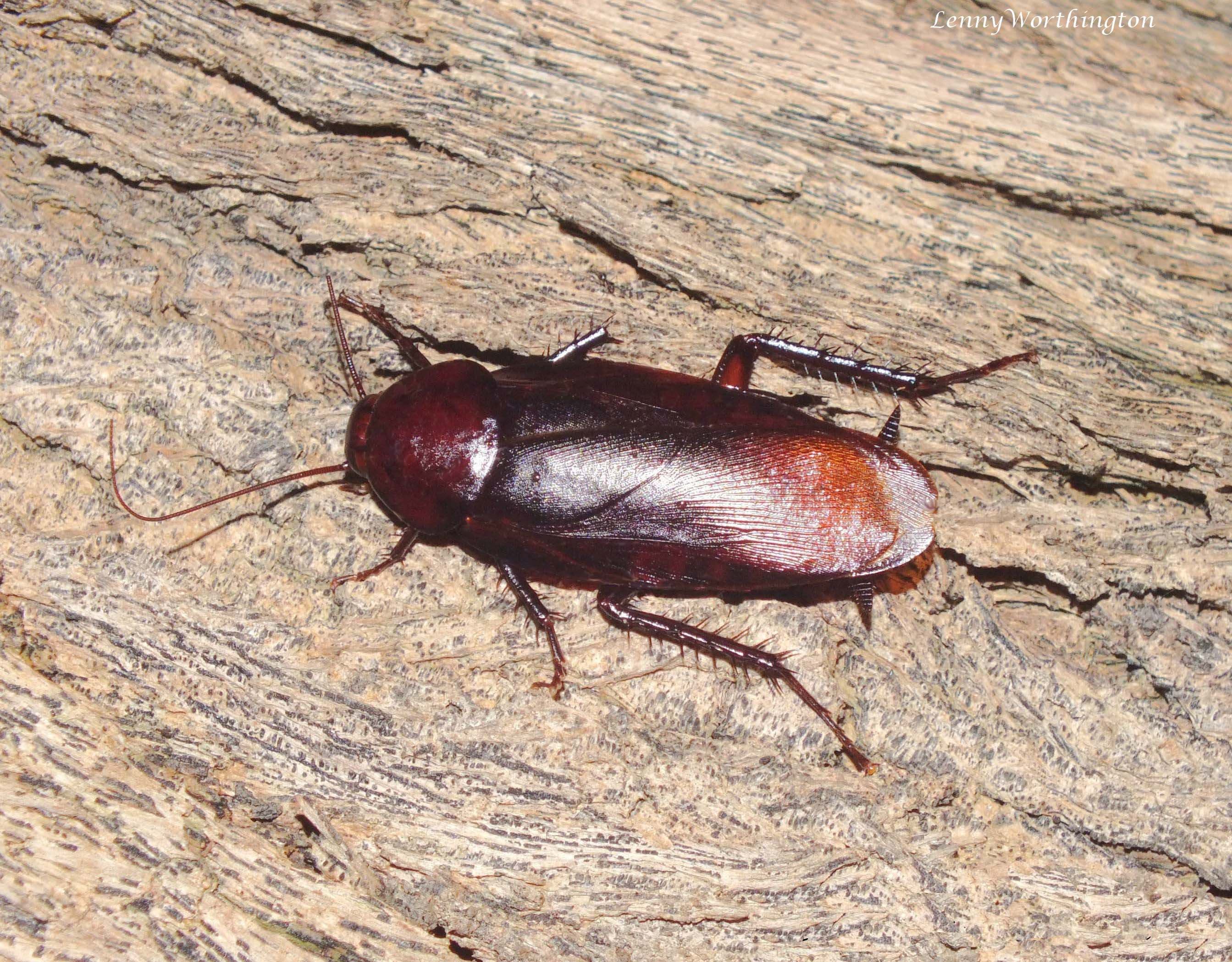
Smoky Brown Cockroach
Large, uniformly dark mahogany roaches that thrive outdoors in mulch and leaf litter in warm climates, entering homes through gaps and vents.
Rodents6
Mice and rats that chew, contaminate, and multiply fast.
Rodents6
Mice and rats that chew, contaminate, and multiply fast.
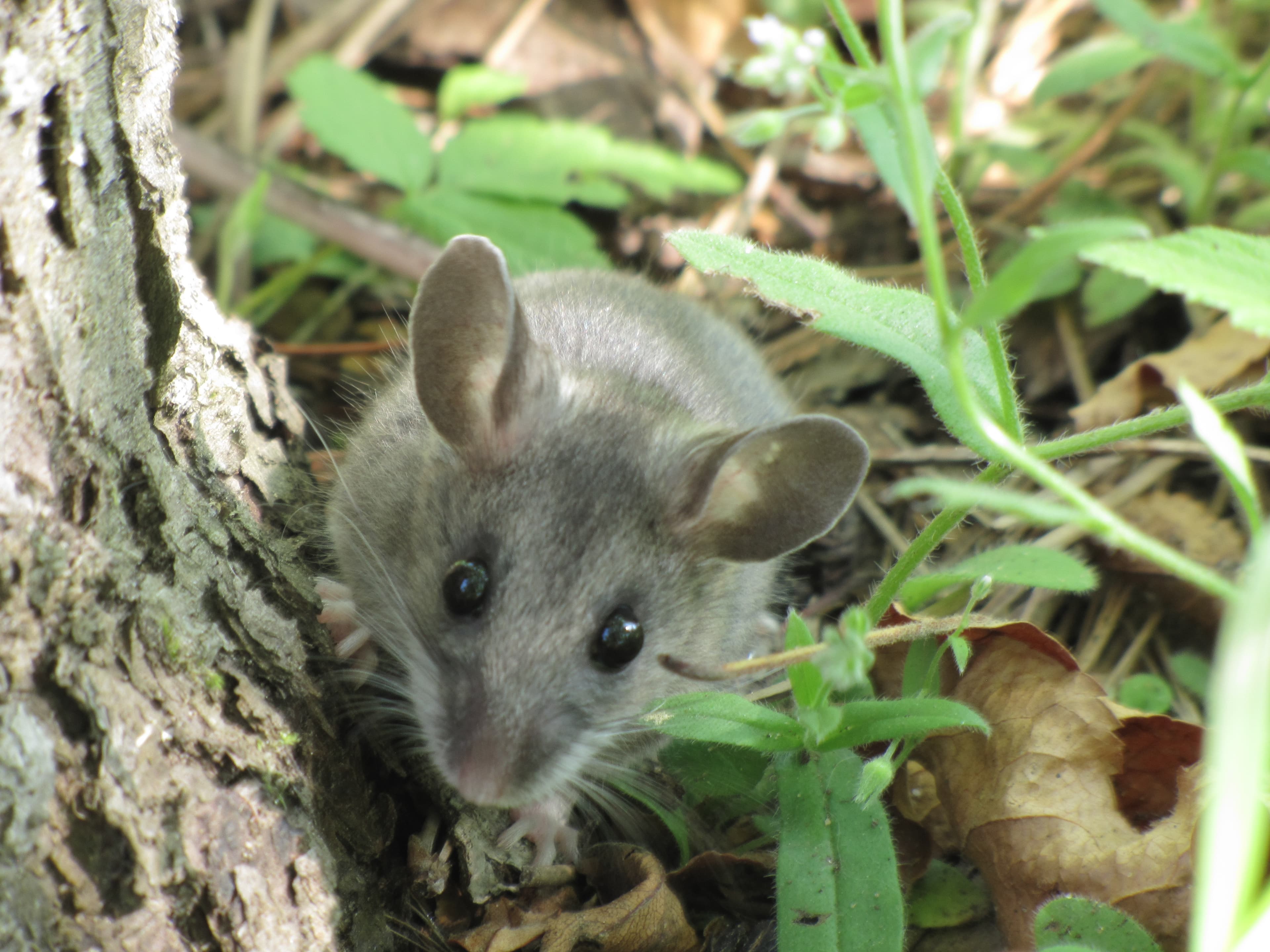
Deer Mouse
Bi-colored rodents with white undersides and brown backs, common in rural and wooded areas, and a known carrier of hantavirus — droppings should be handled with care.
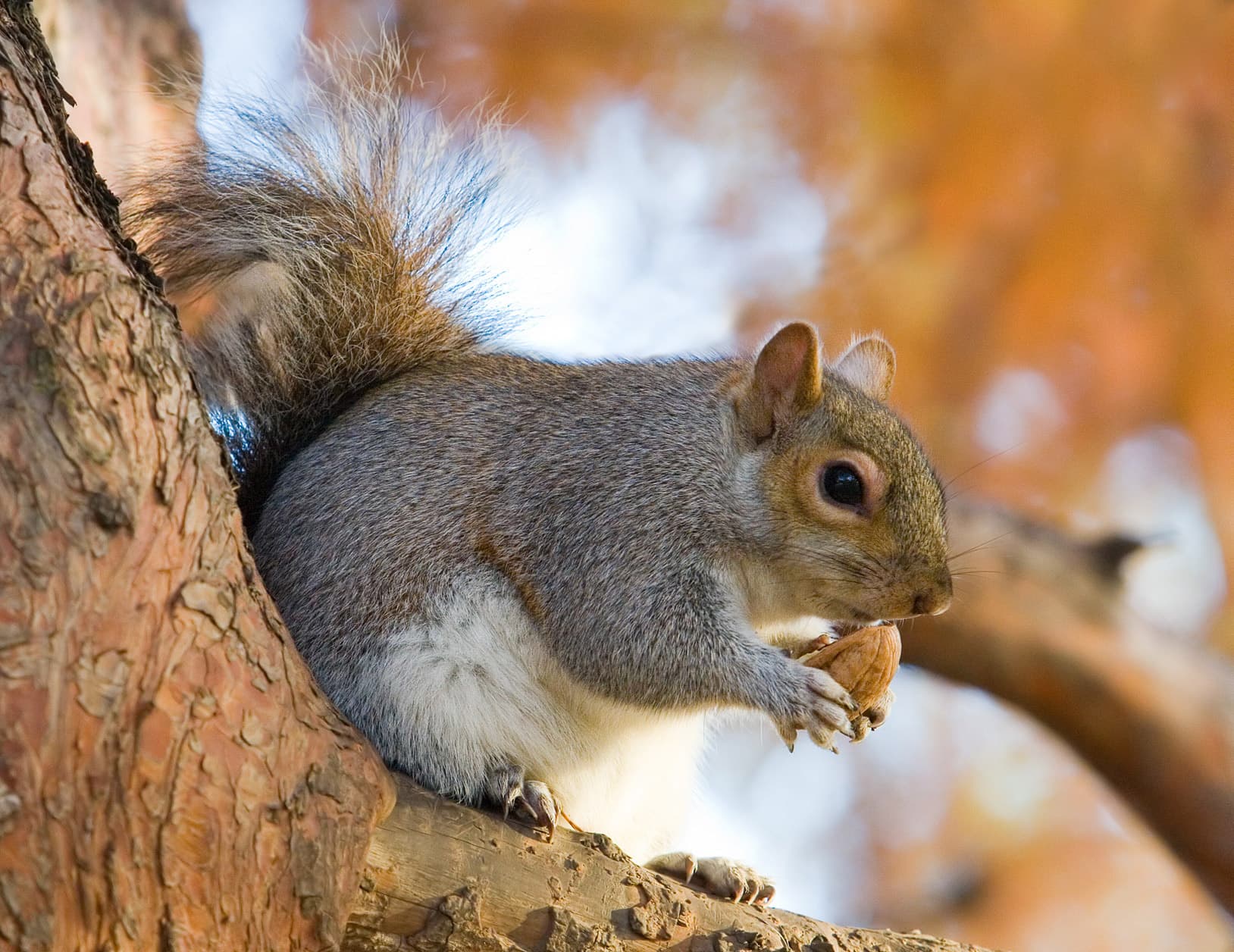
Eastern Gray Squirrel
Common gray tree squirrels that can chew into attics and soffits to nest, causing damage to insulation and wiring. Most active seeking shelter in fall.
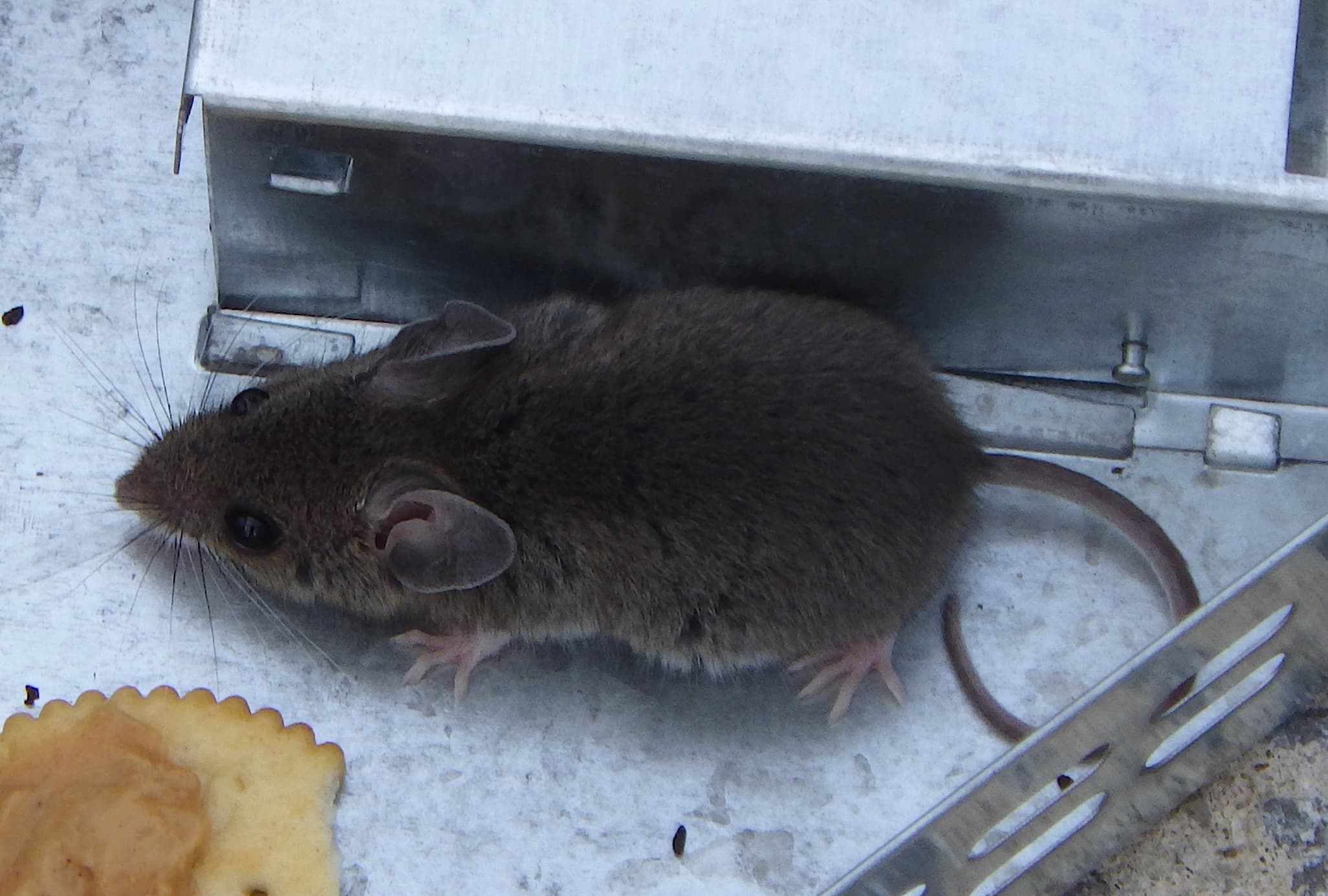
House Mouse
Small gray-brown rodents, 2.5 to 3.75 inches long (plus tail), that can squeeze through gaps as small as a dime. Signs include small dark droppings, gnaw marks, and greasy rub marks along walls.
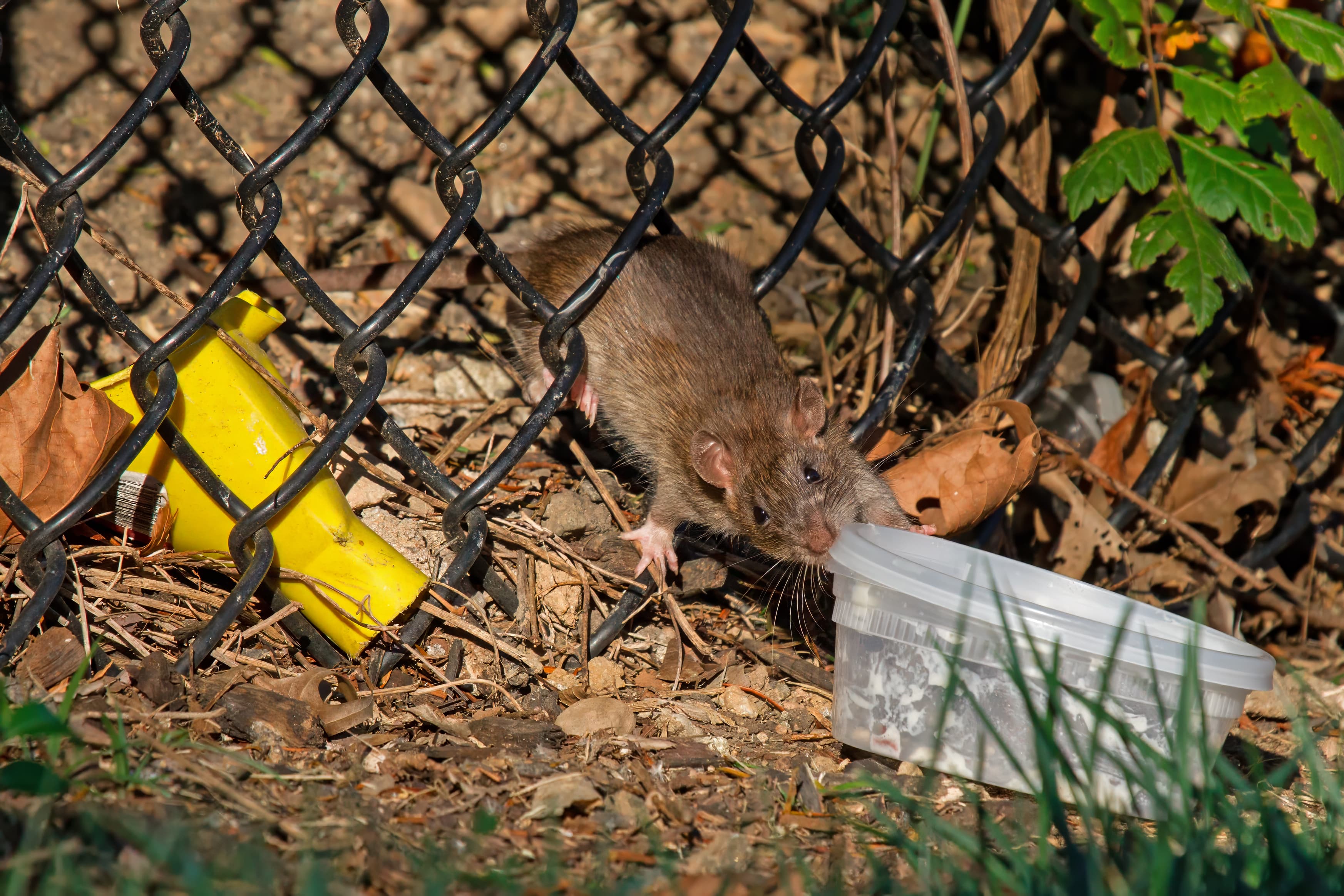
Norway Rat
Large, heavy-bodied rats, brown-gray, that burrow at ground level near foundations, woodpiles, and garbage areas, and are strong swimmers often found near sewers and waterways.
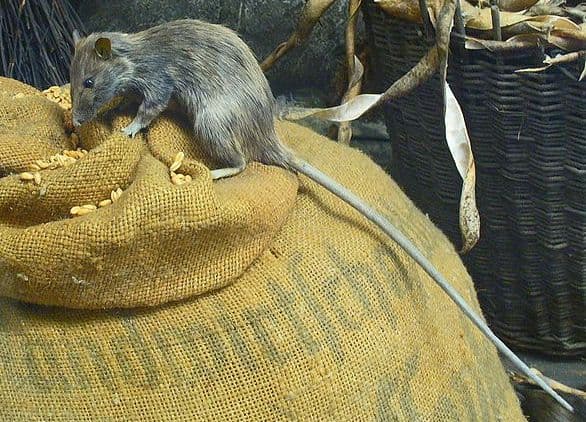
Roof Rat
Slender, agile rats, black to brown, that are excellent climbers and prefer nesting in attics, trees, and upper parts of structures rather than at ground level.
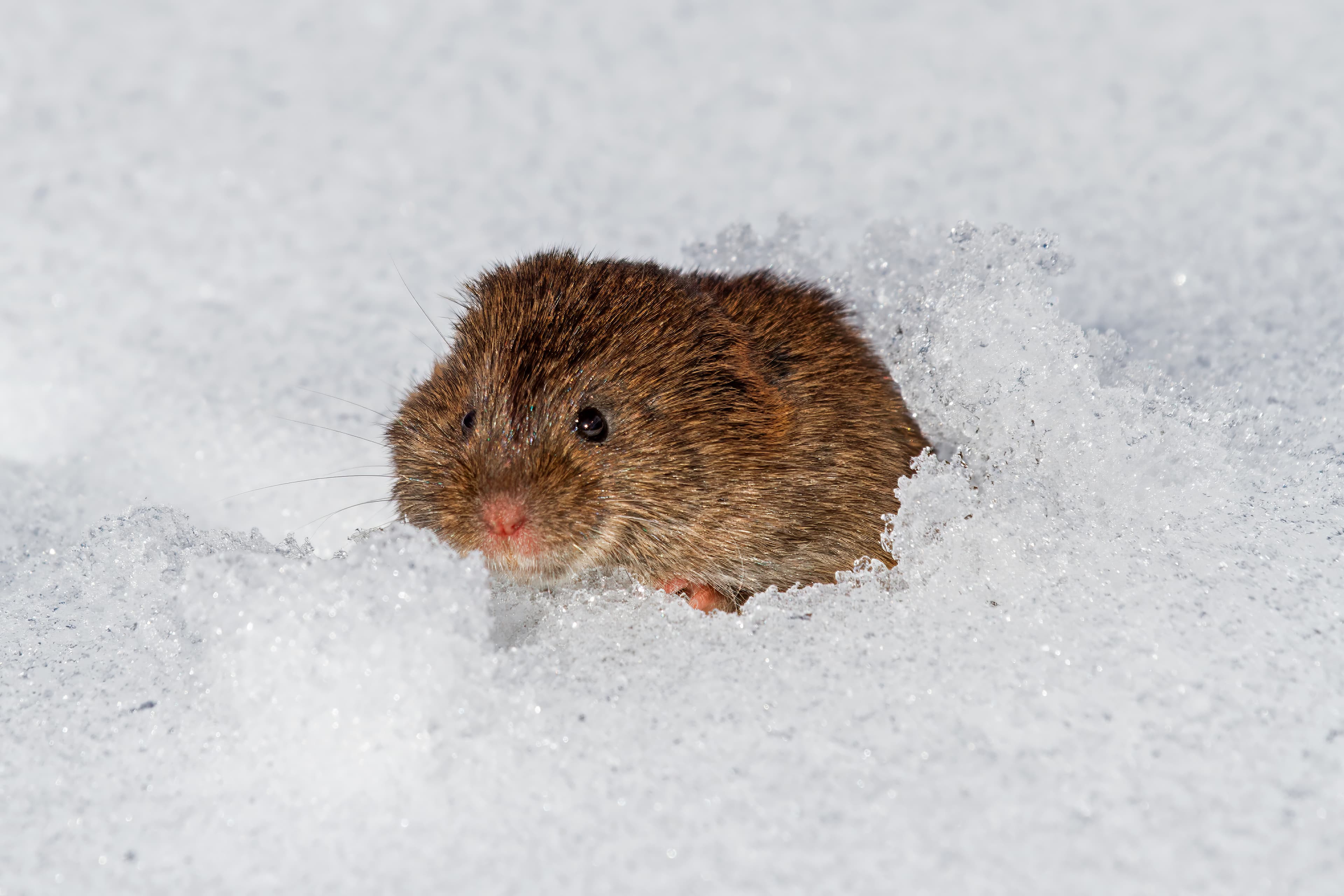
Vole
Small, stocky rodents with short tails that create visible surface runways in lawns and gardens by chewing grass and feeding on roots and bulbs.
Termites4
Wood-destroying insects that cause serious structural damage.
Termites4
Wood-destroying insects that cause serious structural damage.
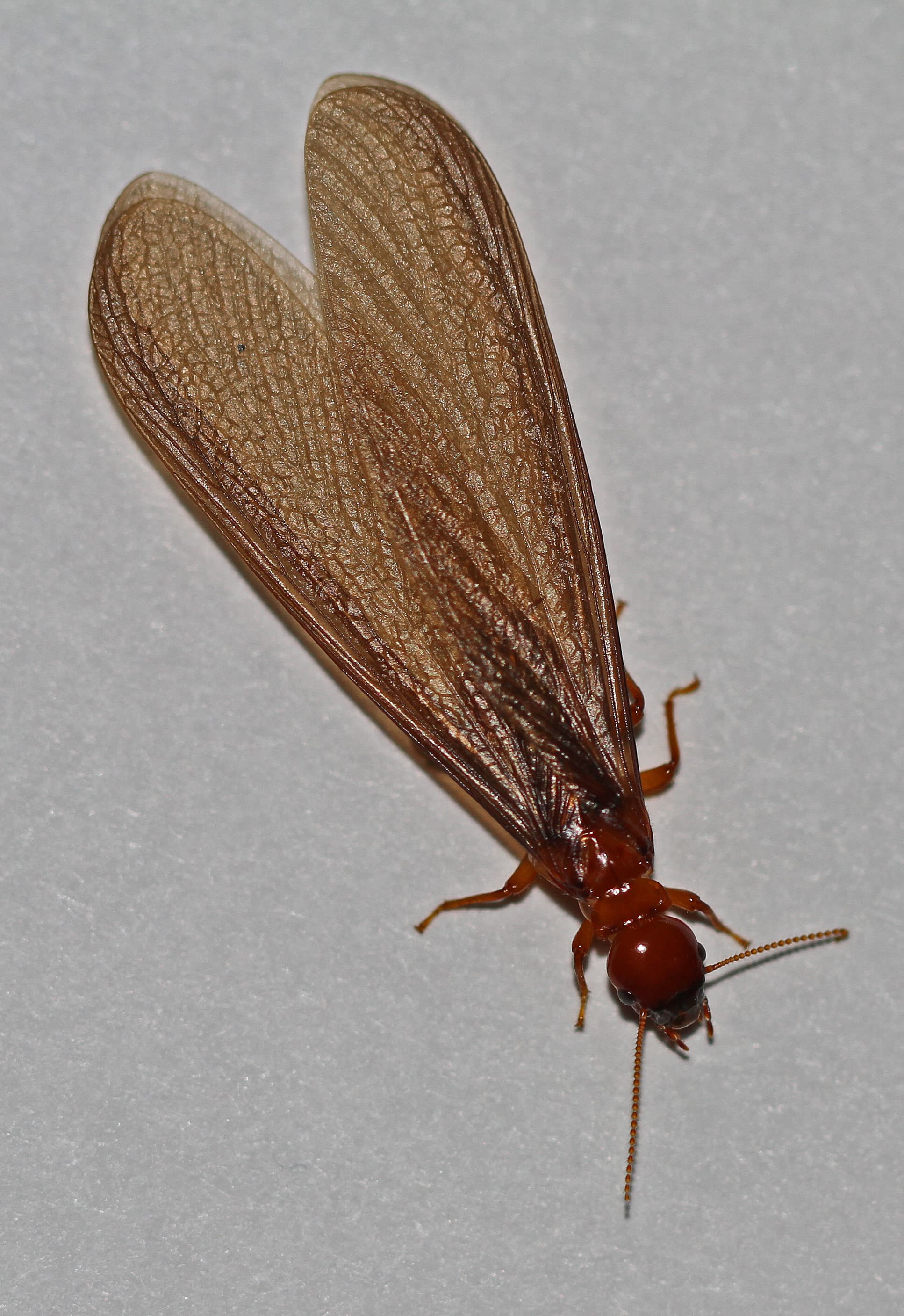
Dampwood Termite
Larger termites that infest moisture-damaged or decaying wood, often signaling an underlying leak or moisture problem near the infestation site.
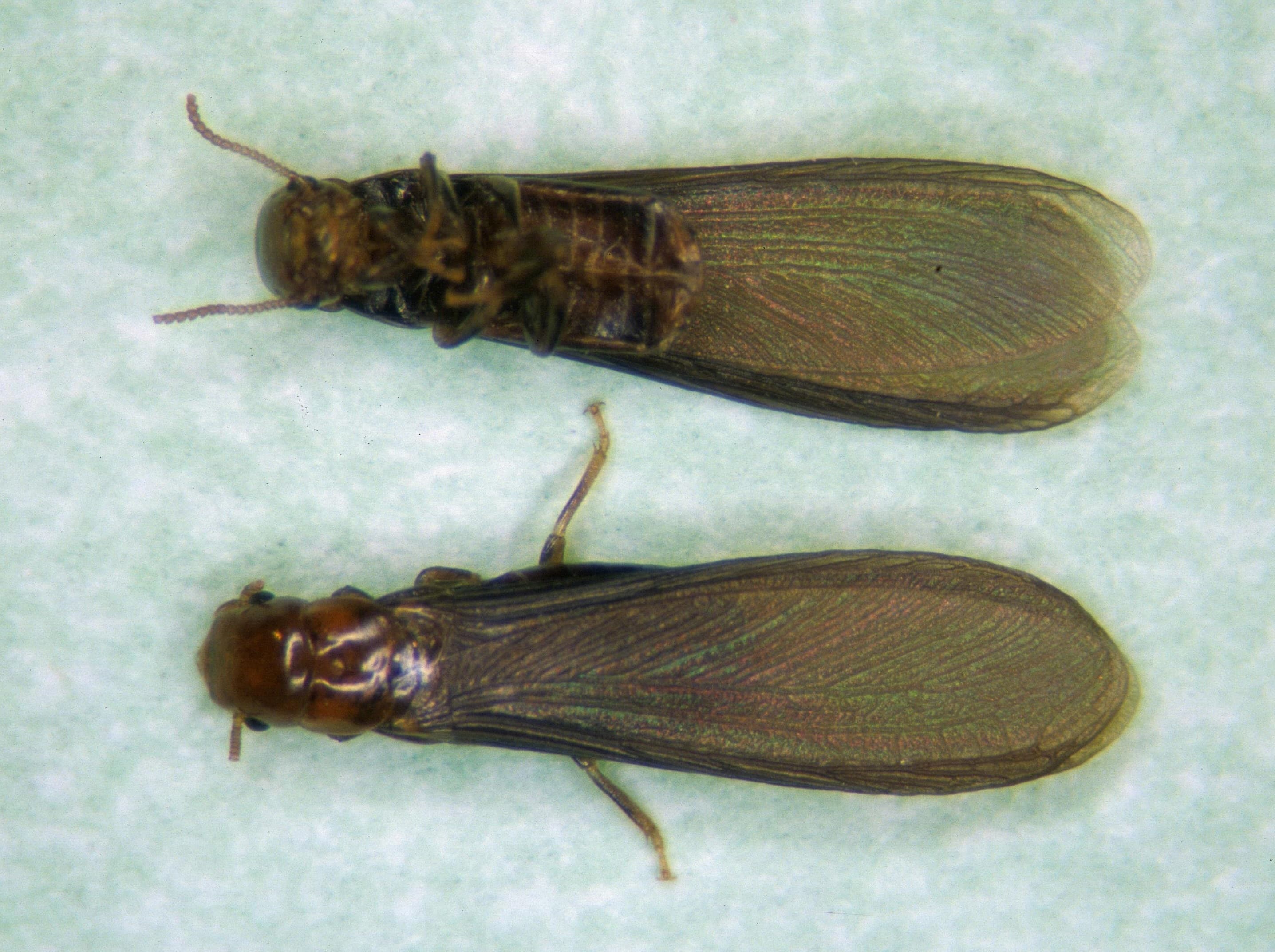
Drywood Termite
Termites that infest dry wood directly (no soil contact needed), leaving behind distinctive small, hard, pellet-shaped droppings (frass) near infested wood.
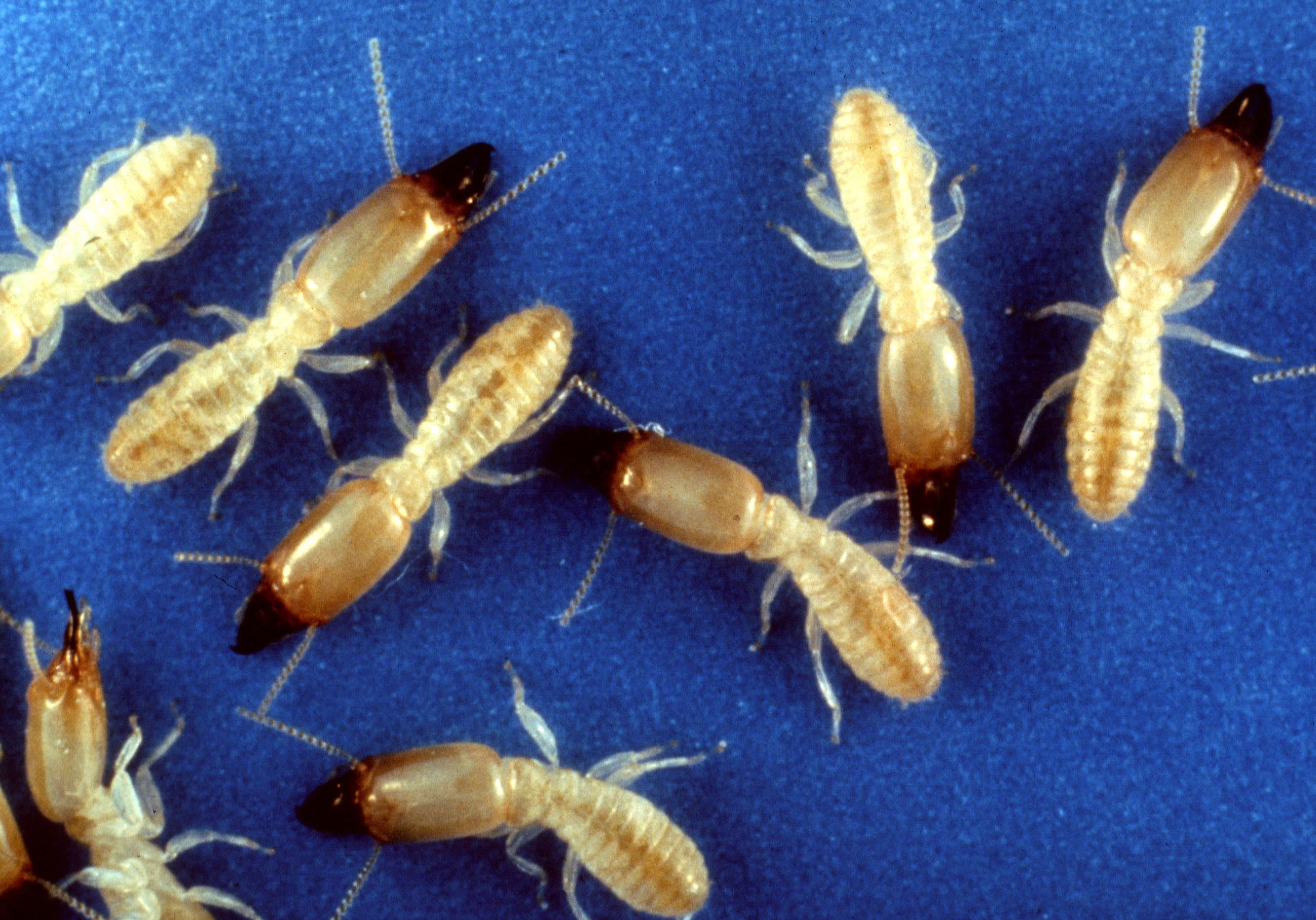
Eastern Subterranean Termite
Cream-colored workers that live in underground colonies and build visible mud tubes to travel between soil and wood. Winged swarmers emerging in spring are often the first visible sign of infestation.
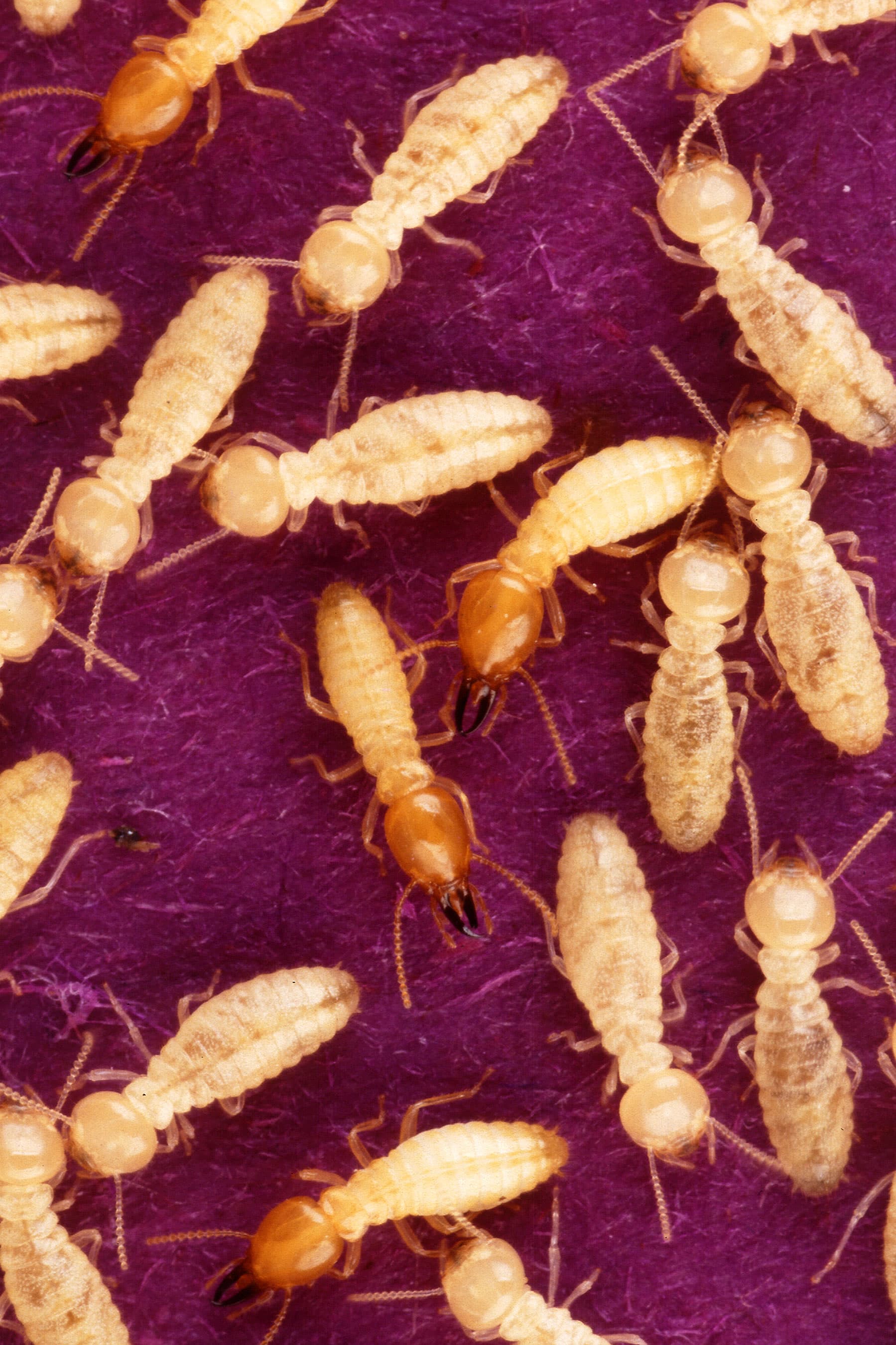
Formosan Termite
An aggressive, fast-reproducing subterranean termite species capable of building large above-ground 'carton' nests, and causing severe structural damage quickly.
Mosquitoes3
Biting pests that breed in standing water through the humid months.
Mosquitoes3
Biting pests that breed in standing water through the humid months.
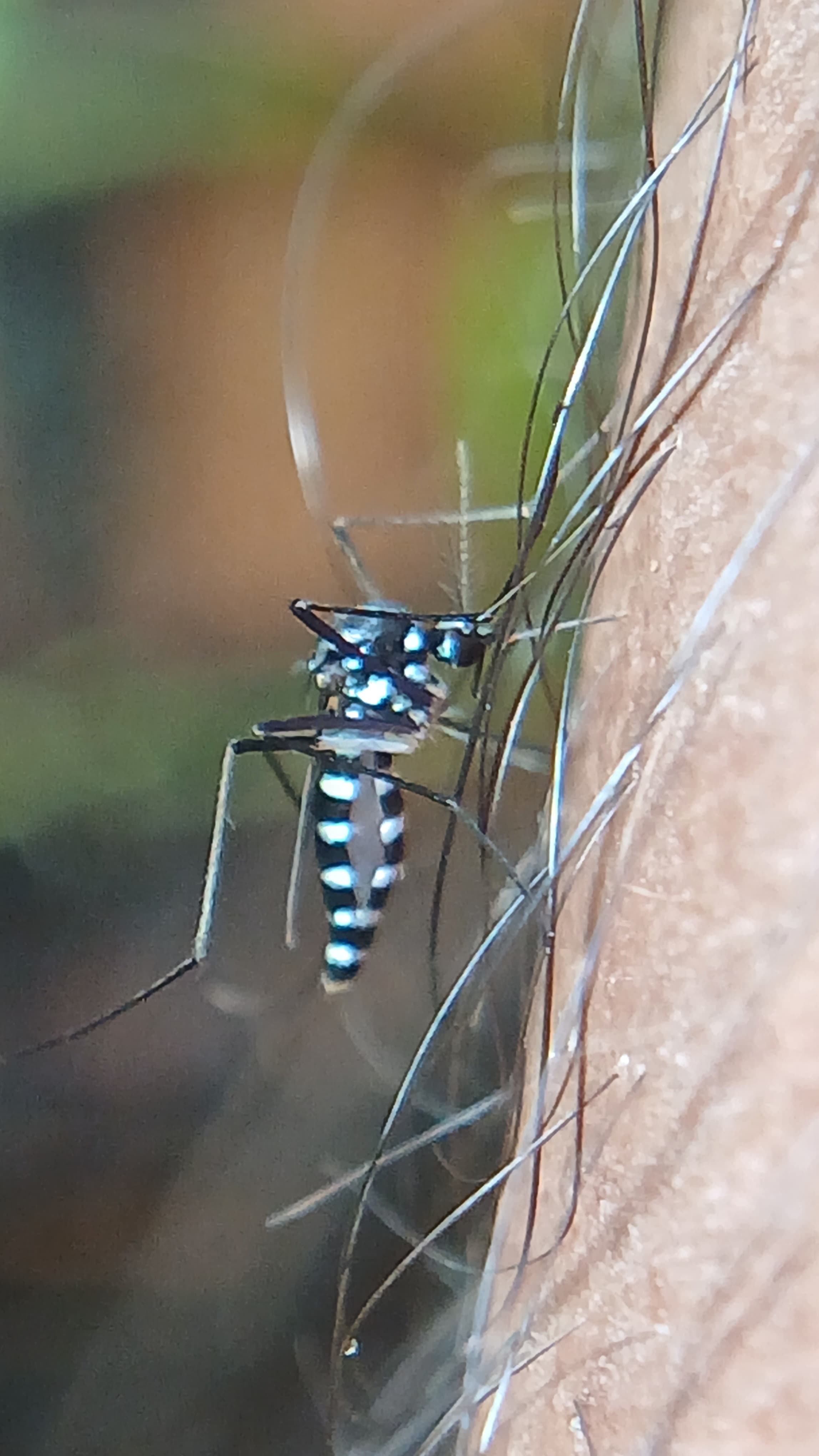
Asian Tiger Mosquito
Aggressive daytime-biting mosquitoes with distinctive black-and-white striped legs, breeding in small containers of standing water around the yard.
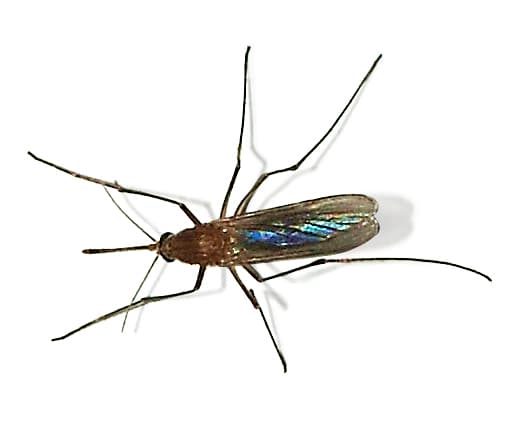
House Mosquito
Common brown mosquitoes that breed in stagnant water — clogged gutters, bird baths, old tires — and are the primary vector for West Nile virus in the US.
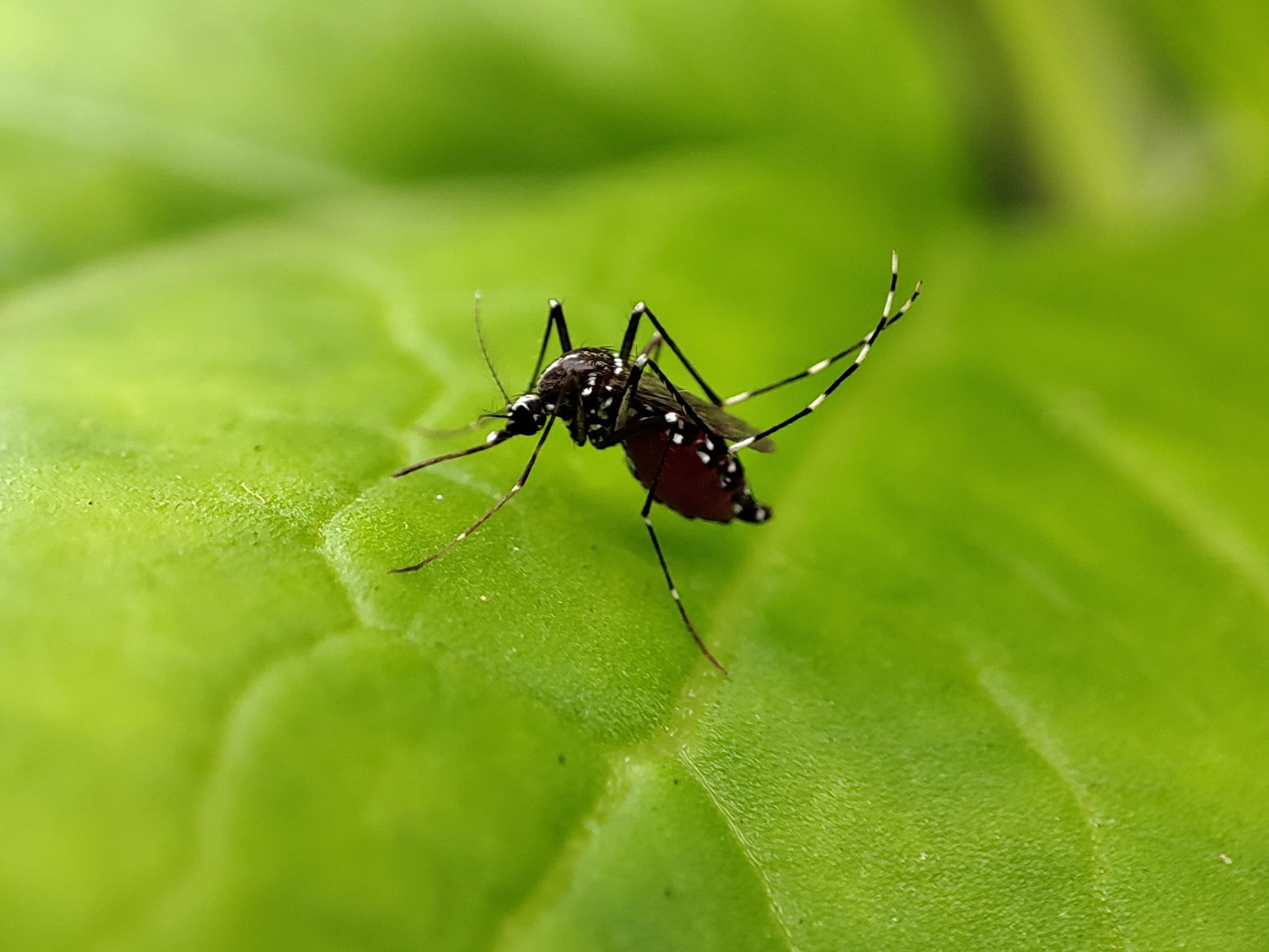
Yellow Fever Mosquito
Dark mosquitoes with white lyre-shaped markings on the thorax, a known vector for dengue, Zika, and yellow fever, most common in warmer southern states.
Ticks4
Blood-feeding parasites that wait along brushy, wooded edges.
Ticks4
Blood-feeding parasites that wait along brushy, wooded edges.
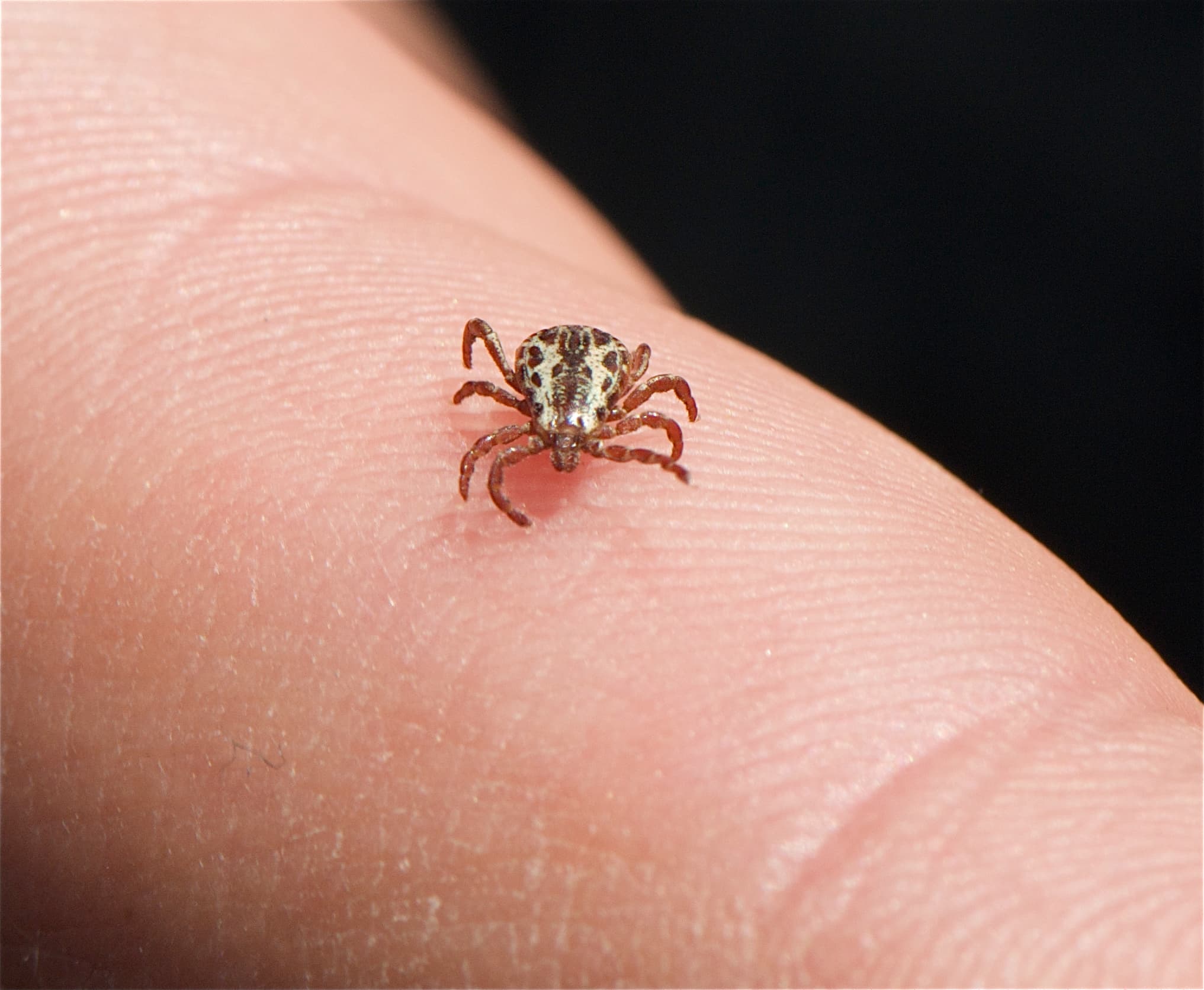
American Dog Tick
Brown ticks with mottled white-gray markings on the back, common in grassy and wooded areas, and a known vector of Rocky Mountain spotted fever.
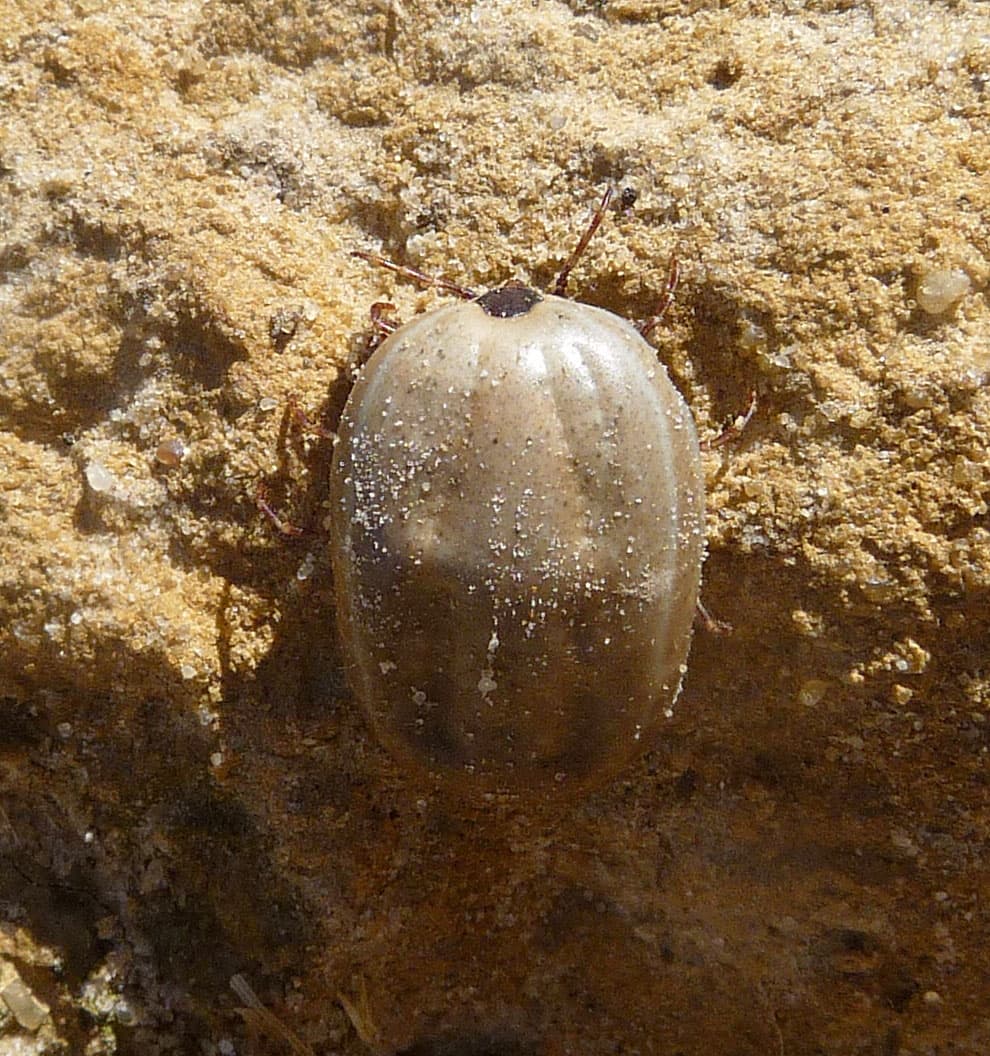
Brown Dog Tick
Uniformly reddish-brown ticks that can complete their entire life cycle indoors, making them capable of infesting homes and kennels even without outdoor exposure.
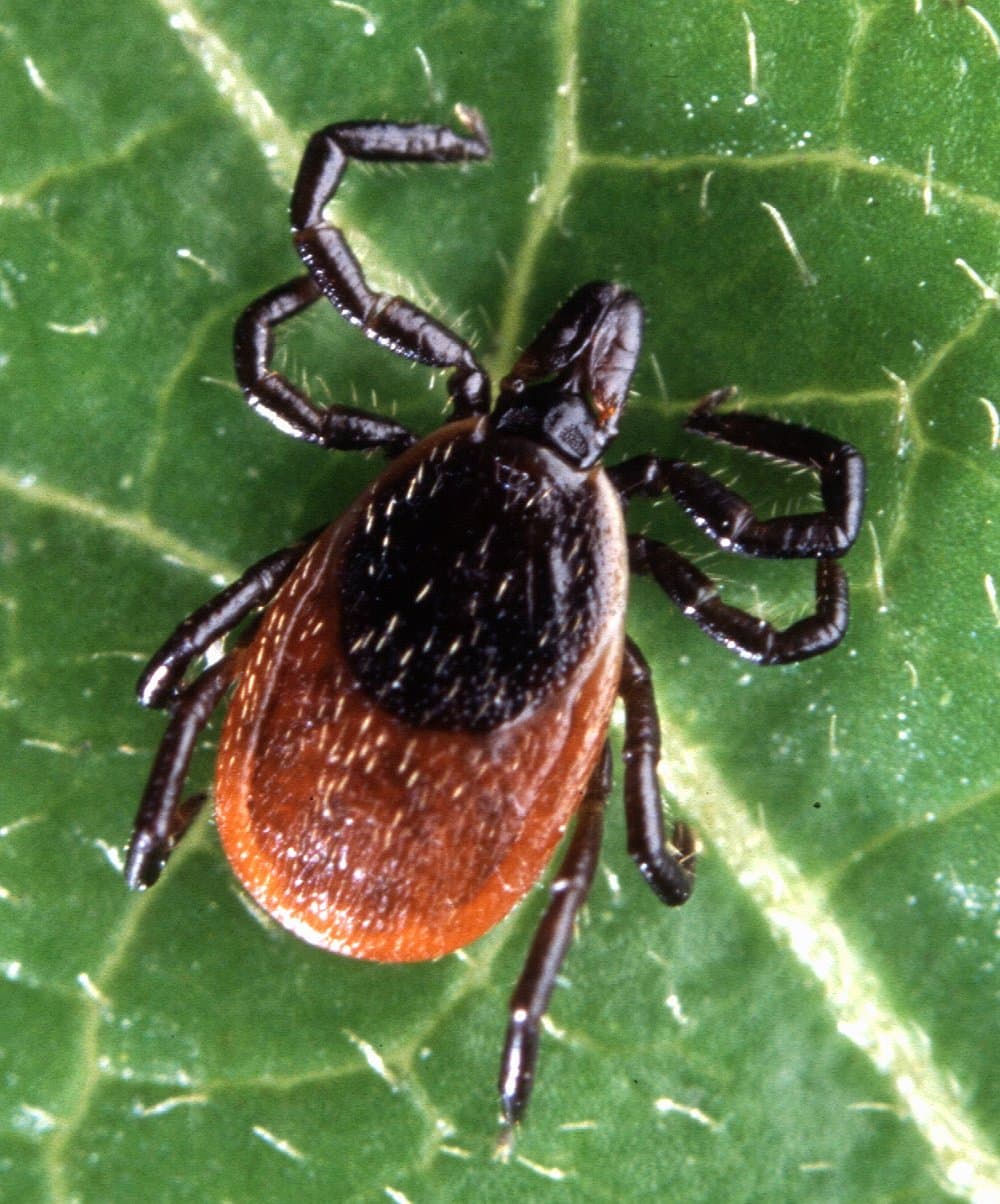
Deer Tick
Also called the blacklegged tick — small, reddish-brown, and the primary carrier of Lyme disease in the US. Most active in wooded, leafy edge habitats.
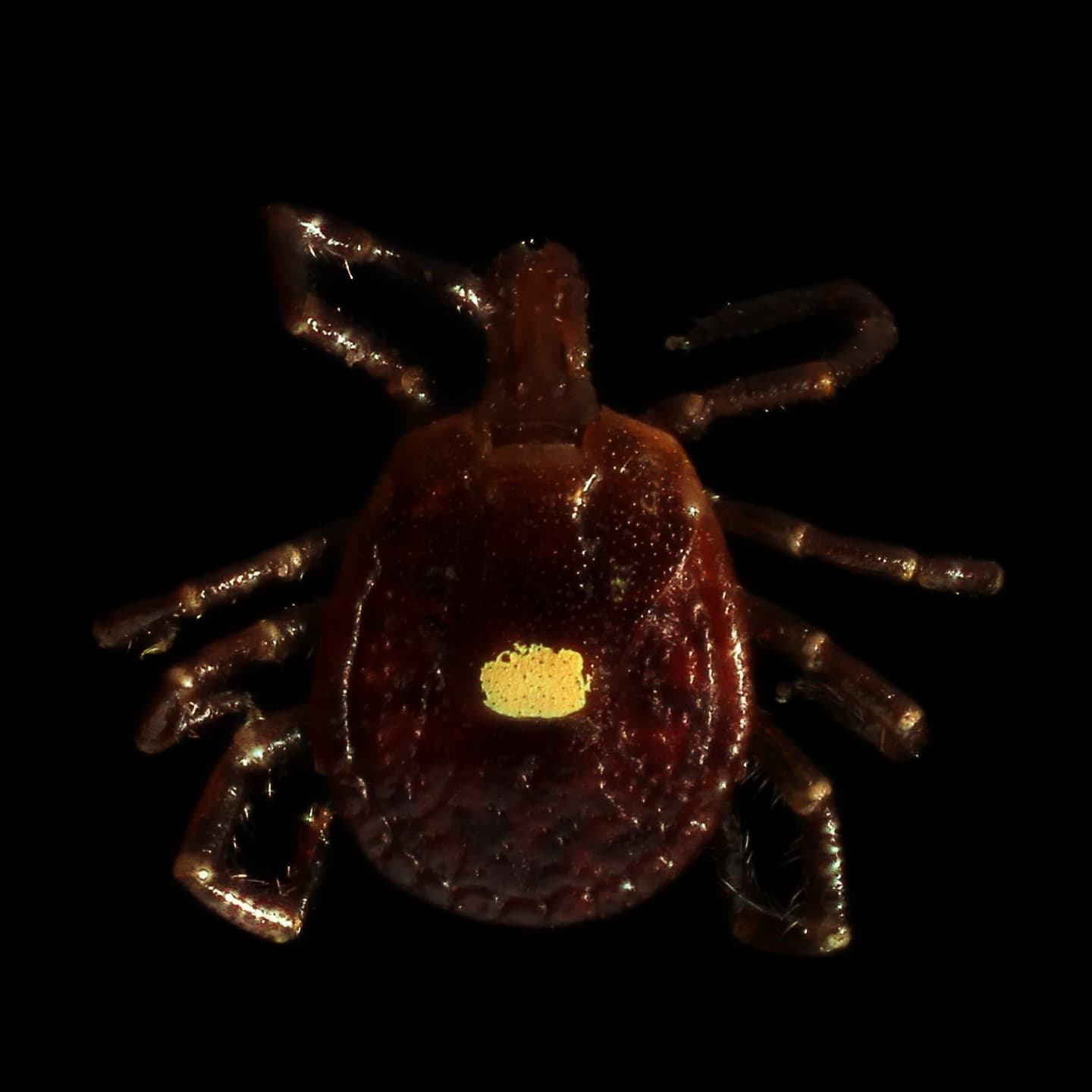
Lone Star Tick
Reddish-brown ticks identifiable by a single white spot on the female's back, aggressive in seeking hosts, and associated with alpha-gal (red meat) allergy syndrome.
Fleas2
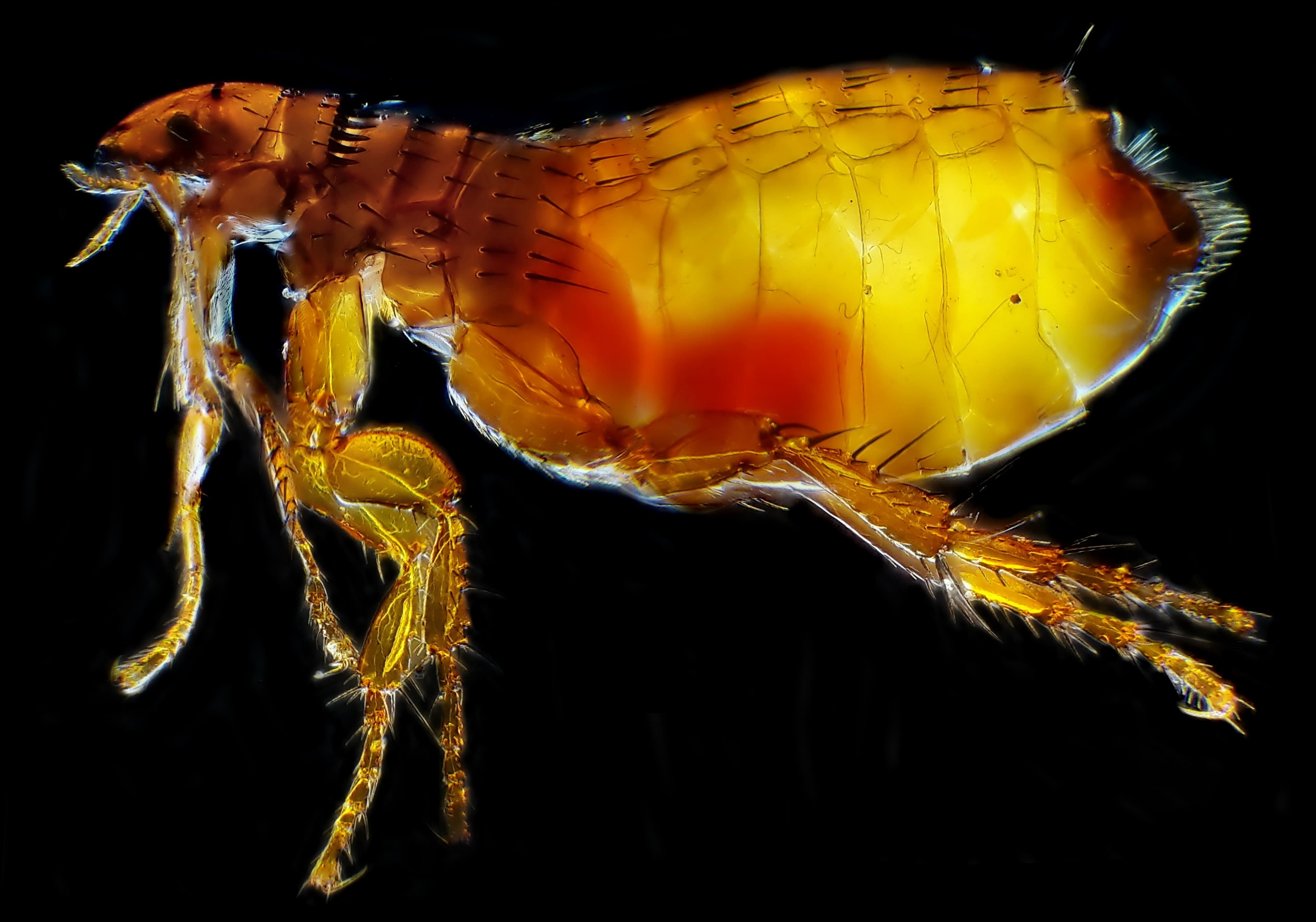
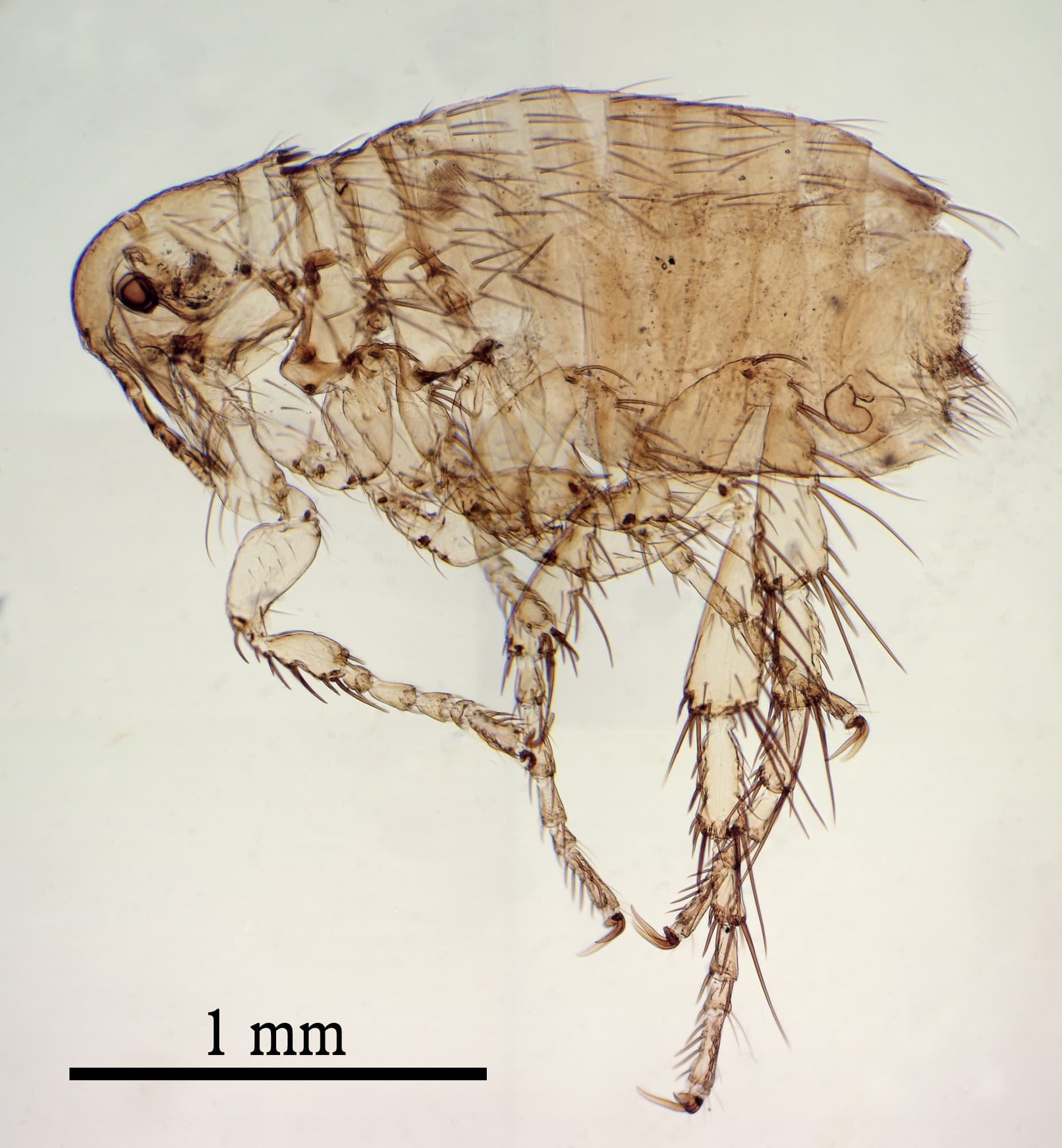
Fast-breeding biters that ride in on pets and wildlife.
Fleas2
Fast-breeding biters that ride in on pets and wildlife.
Flies6
Nuisance and filth flies tied to moisture and organic buildup.
Flies6
Nuisance and filth flies tied to moisture and organic buildup.
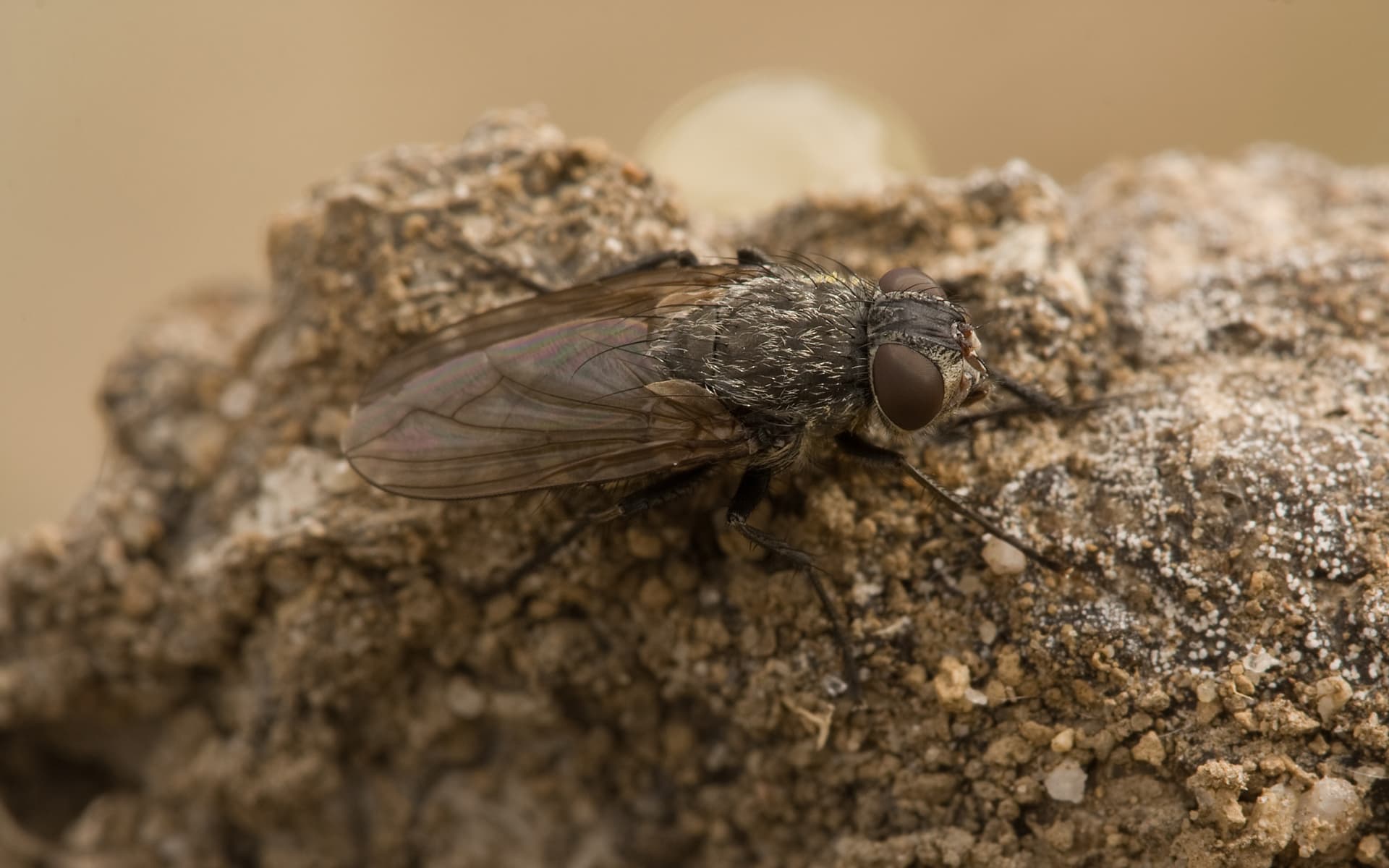
Cluster Fly
Slow-moving, dark gray flies that seek shelter indoors in large numbers in fall, clustering in attics and wall voids to overwinter.
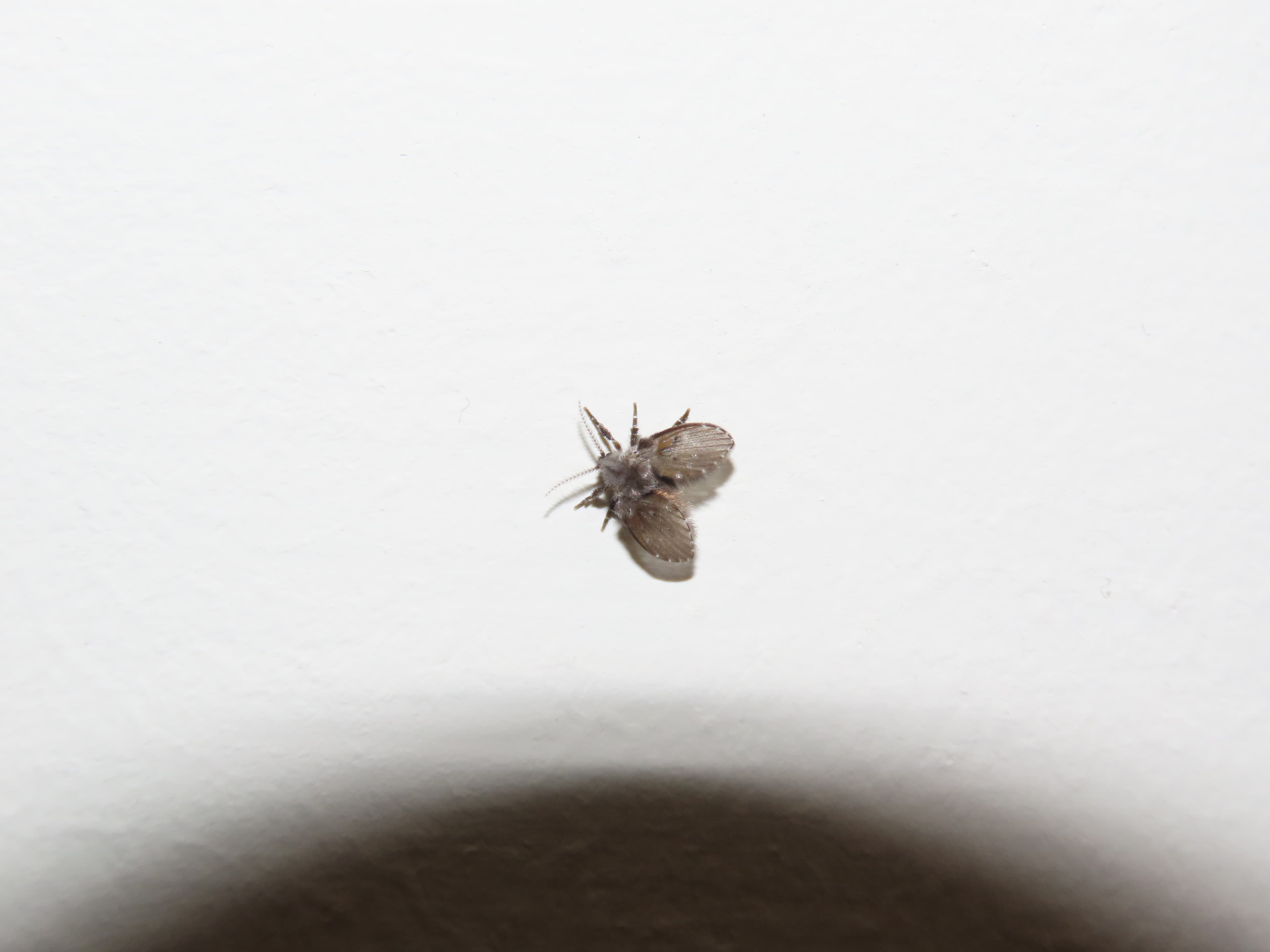
Drain Fly
Small, fuzzy moth-like flies that breed in the gelatinous film inside drains, often signaling buildup that needs cleaning rather than a pesticide treatment.
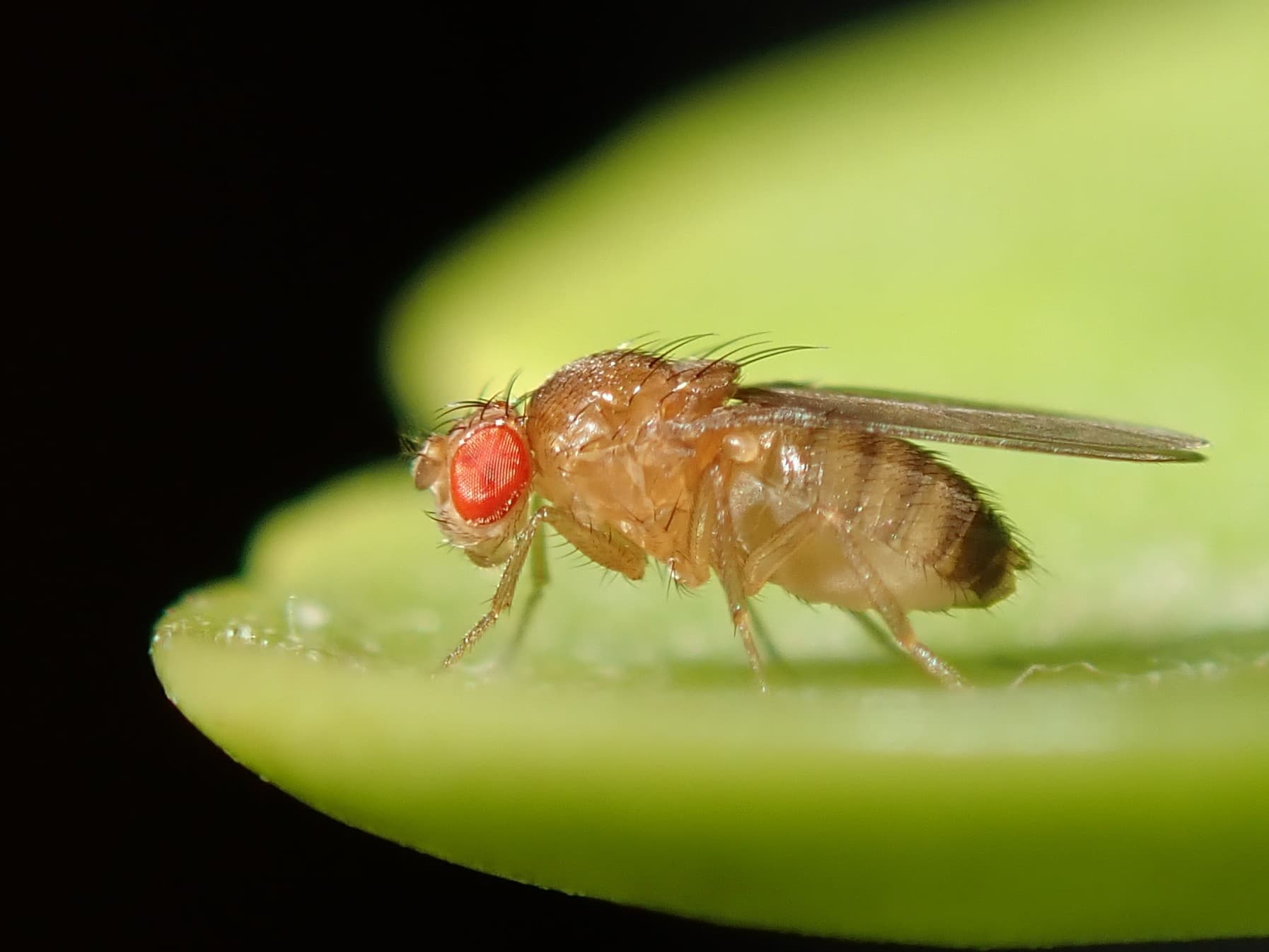
Fruit Fly
Tiny tan flies with red eyes that breed explosively in overripe produce, drains, and fermenting liquids — often traced to a single forgotten piece of fruit.
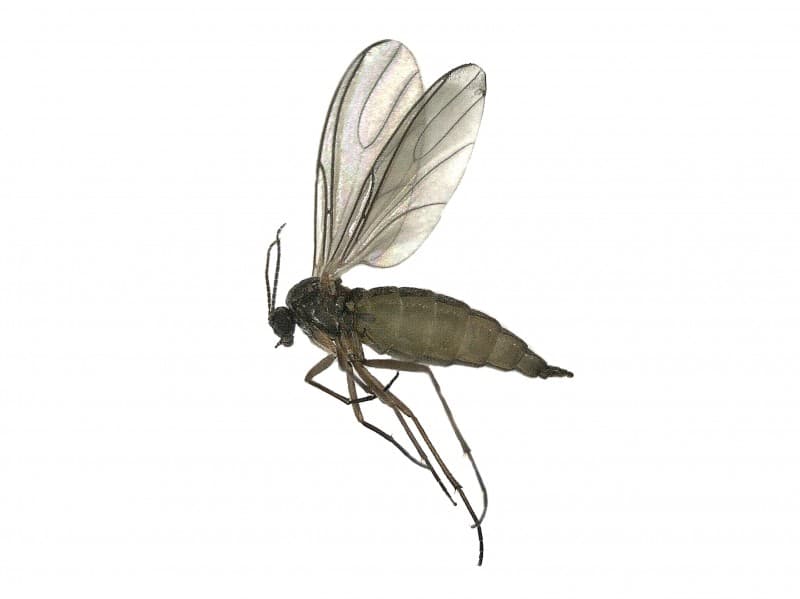
Fungus Gnat
Small dark gnats that breed in overly moist potting soil, feeding on fungus and organic matter around plant roots.
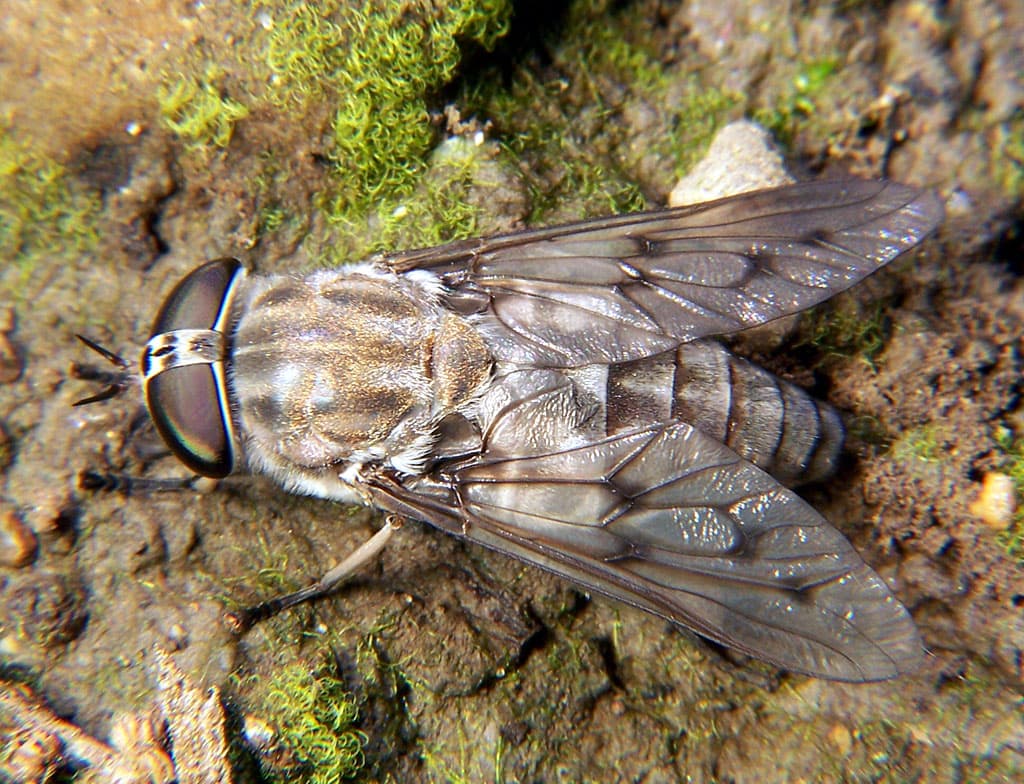
Horse Fly
Large, fast-flying flies with a painful bite, most active outdoors near standing water in summer.
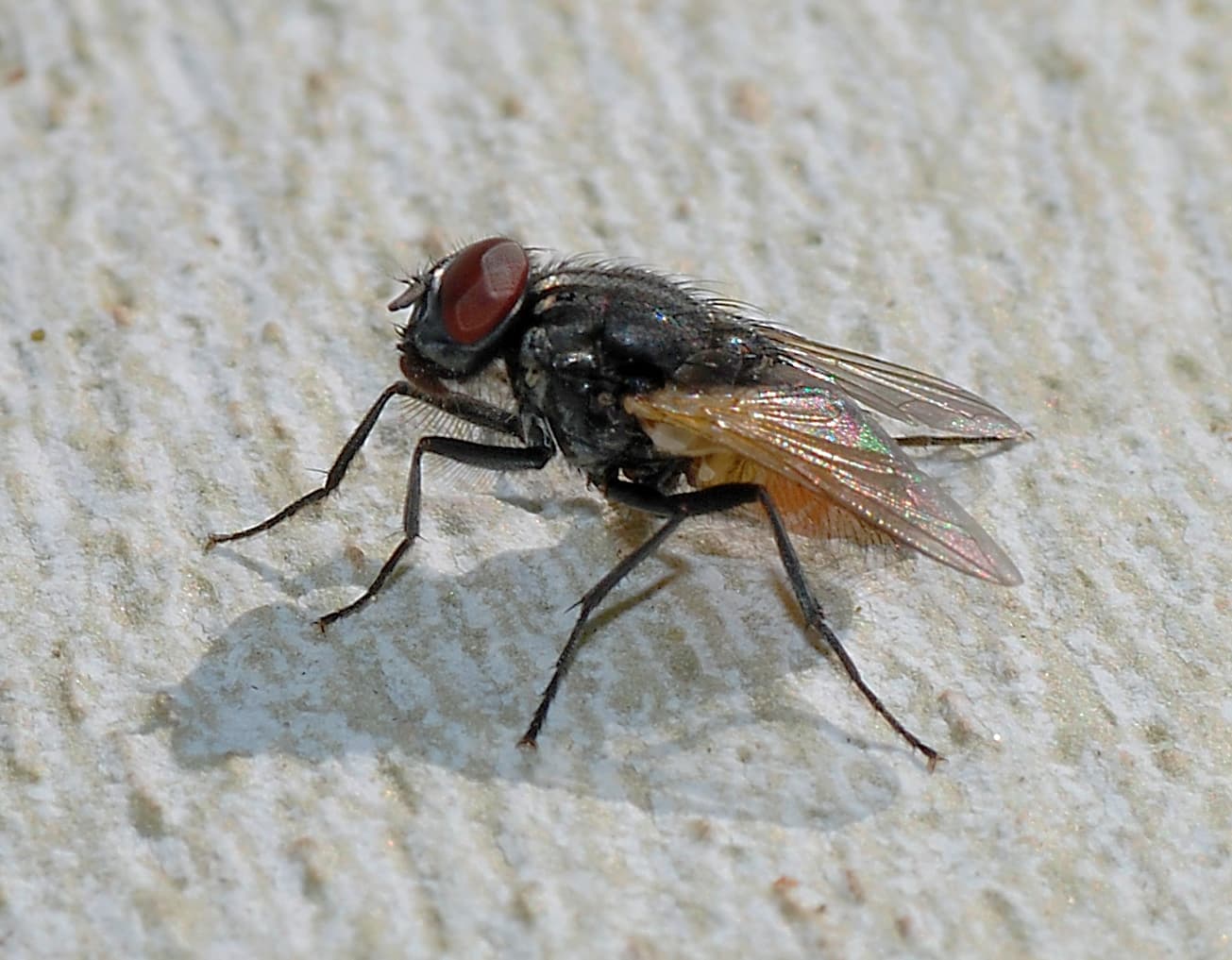
House Fly
Gray flies with four dark stripes on the thorax that breed in garbage, manure, and decaying organic matter, and can mechanically spread bacteria between surfaces.
Beetles8
Pantry, fabric, and wood-boring beetles.
Beetles8
Pantry, fabric, and wood-boring beetles.
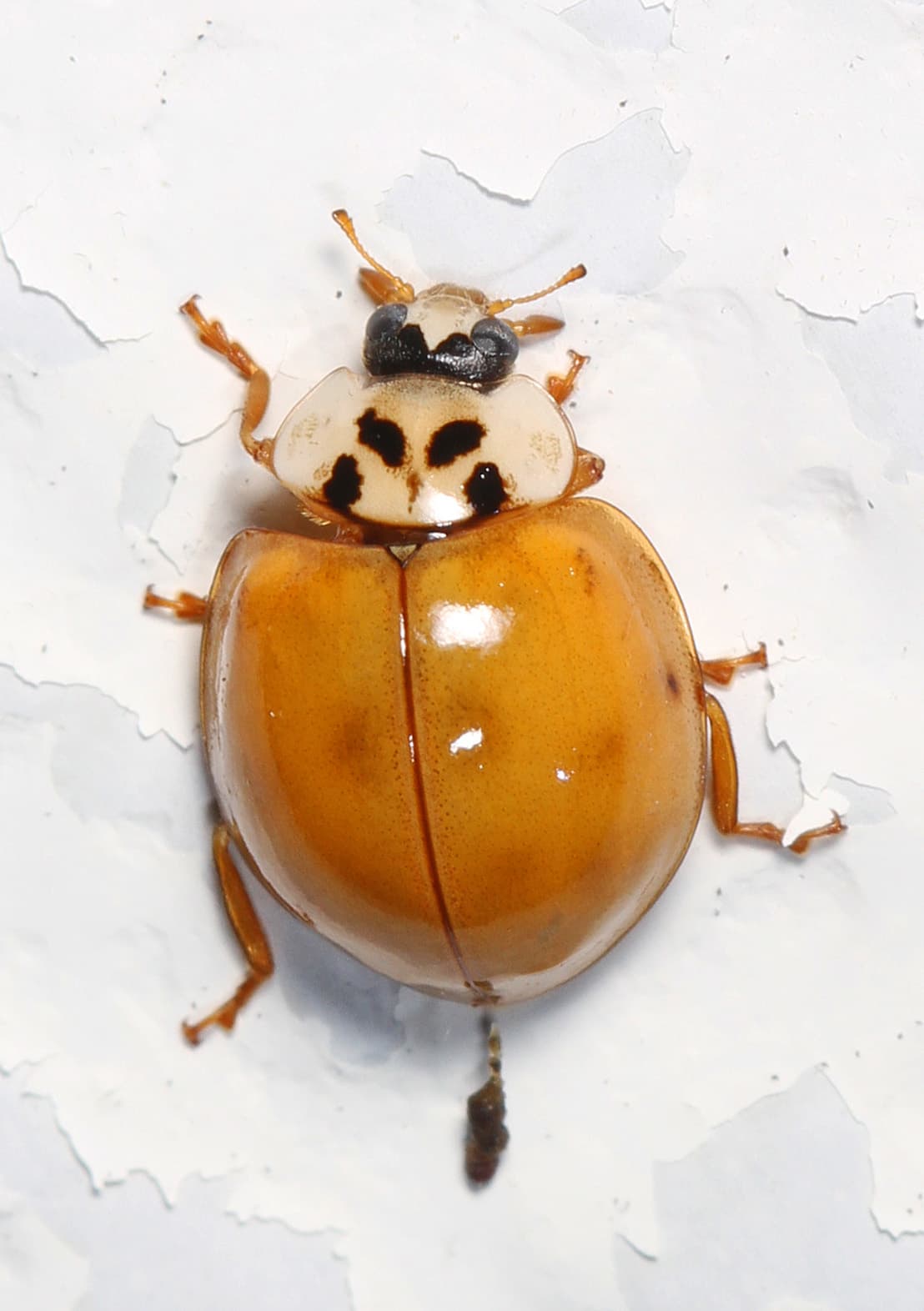
Asian Lady Beetle
Orange beetles resembling ladybugs that congregate on sunny exterior walls in fall before squeezing indoors to overwinter in large numbers.
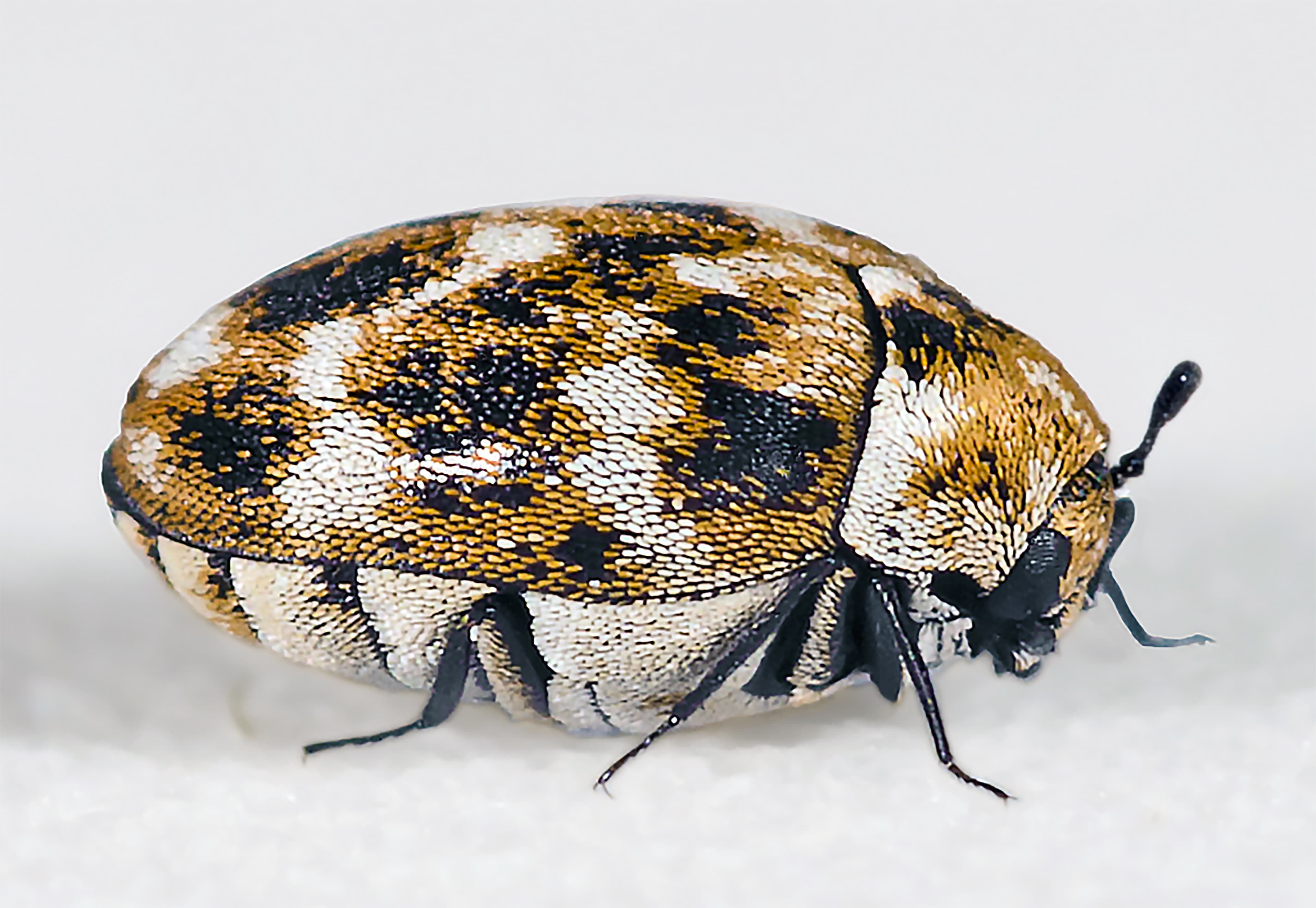
Carpet Beetle
Small, oval beetles whose larvae feed on natural fibers like wool, fur, and feathers, often damaging carpets, upholstery, and stored clothing.
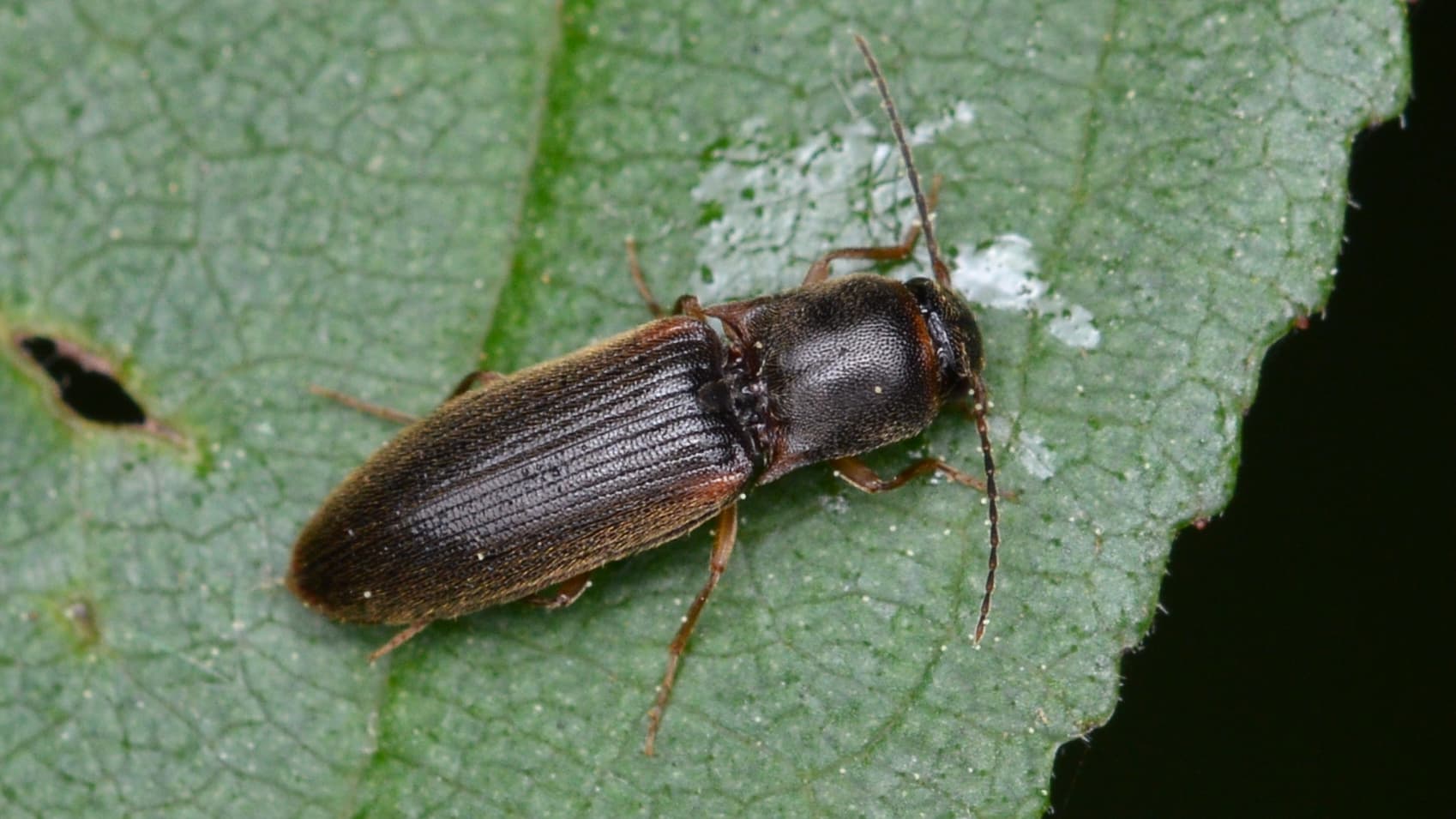
Click Beetle
Elongated brown-black beetles known for the audible clicking sound they make to flip upright when placed on their backs; larvae (wireworms) can damage garden roots.
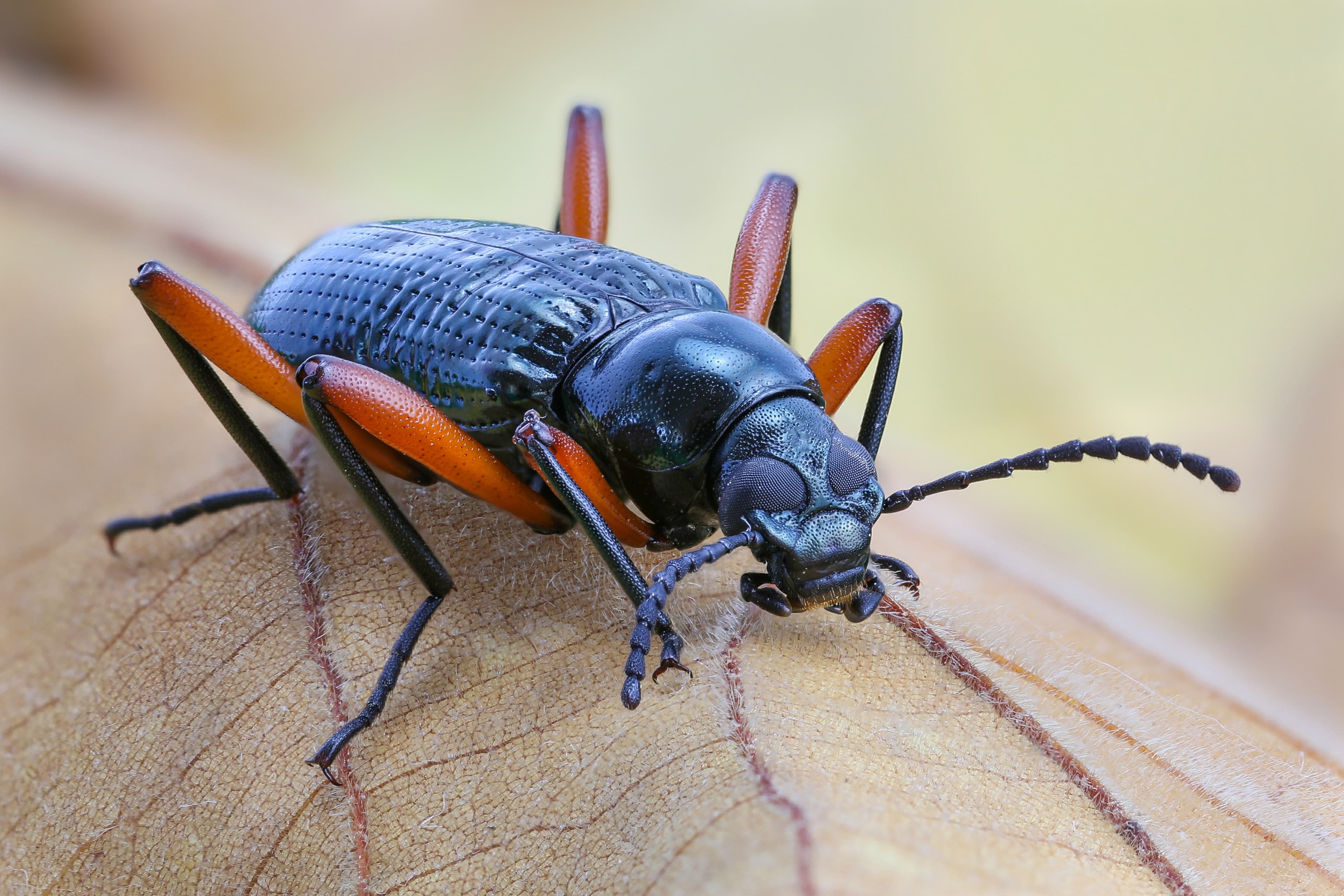
Darkling Beetle
Dark, hard-shelled beetles often found in stored grain, damp basements, or around outdoor lighting at night.
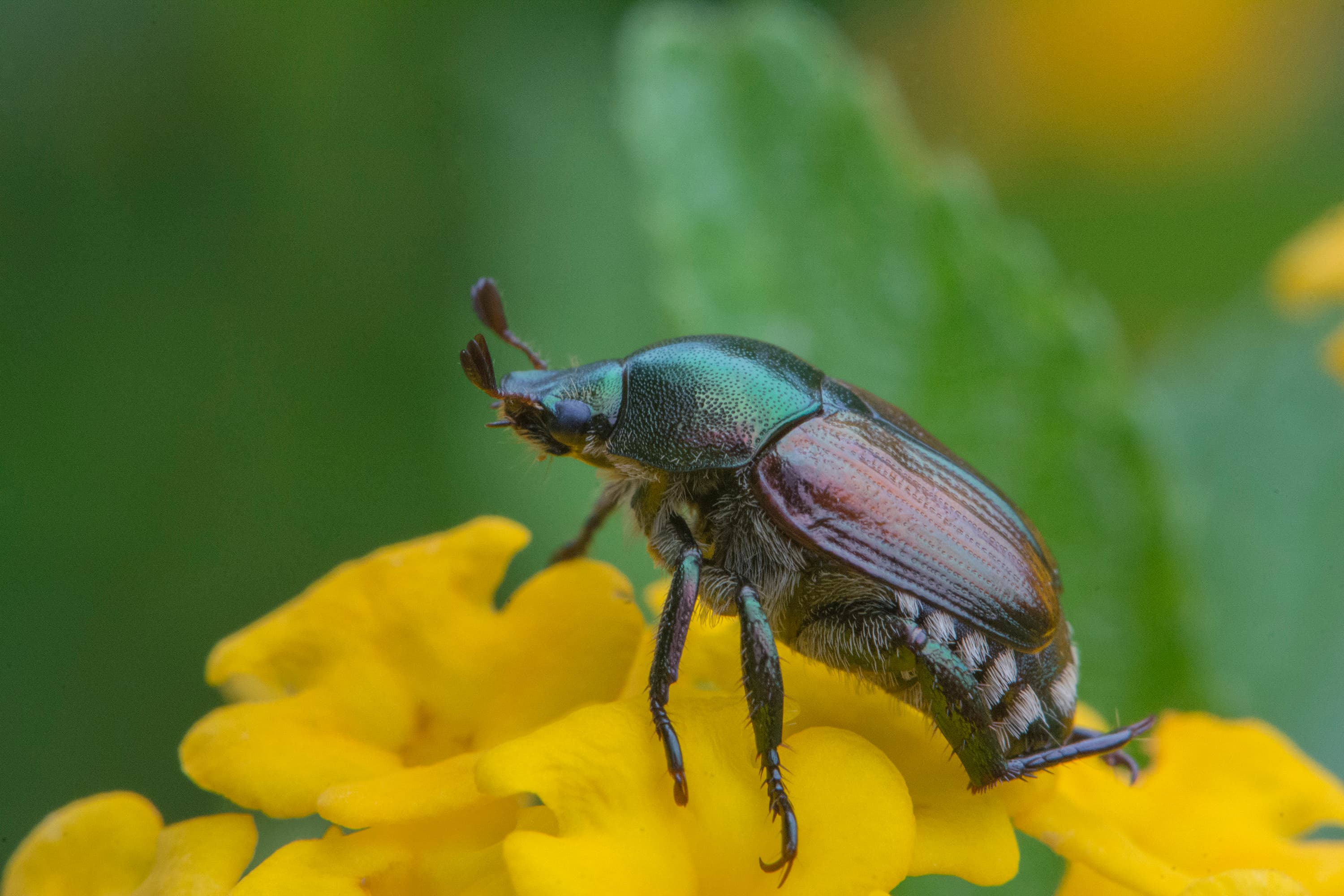
Japanese Beetle
Metallic green-and-copper beetles that feed heavily on garden plants and turf, with root-feeding grub larvae that damage lawns.
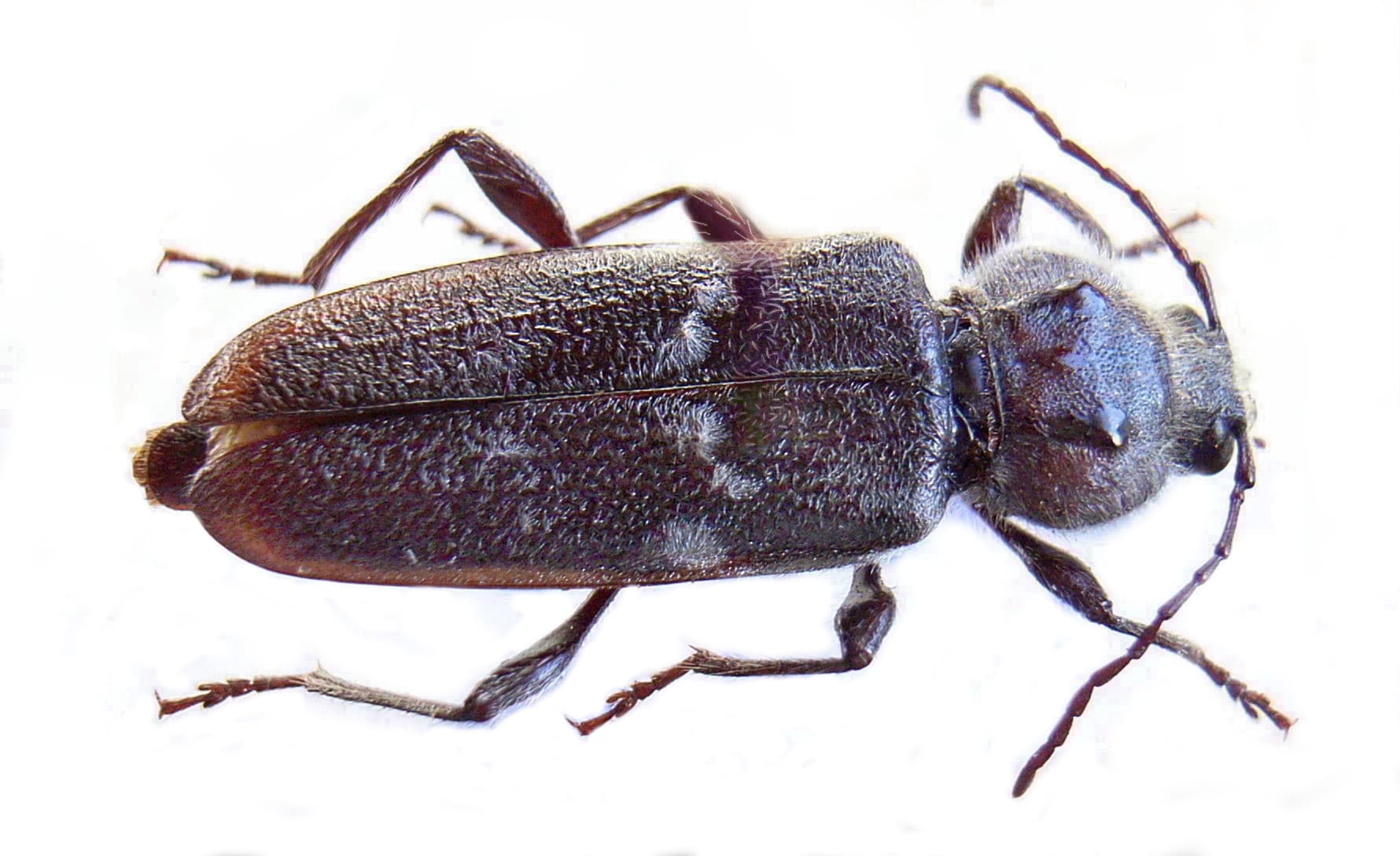
Old House Borer
A long-horned wood-boring beetle whose larvae tunnel extensively through structural softwood, sometimes producing an audible chewing sound within walls.
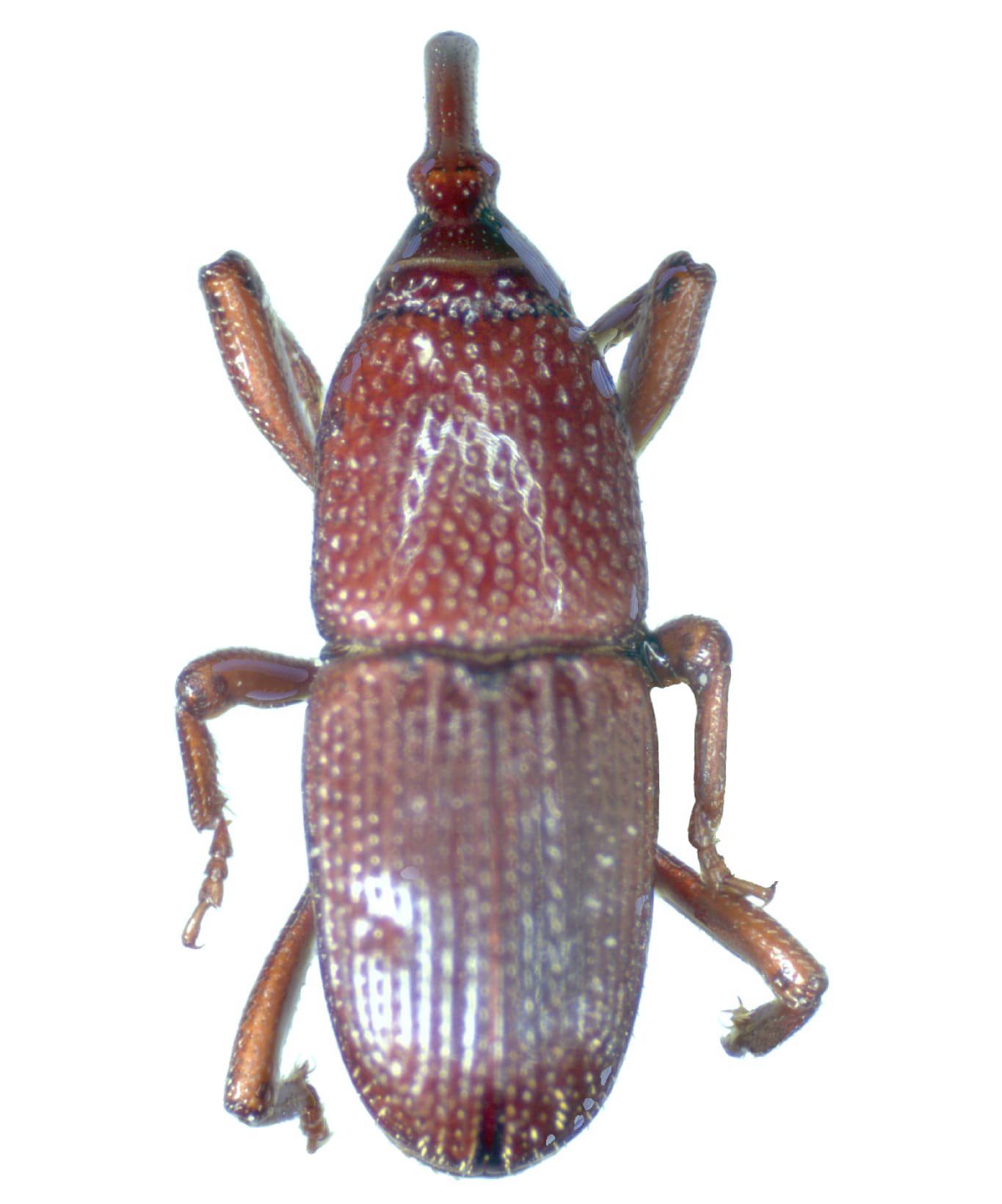
Pantry Weevil
Small reddish-brown beetles with a distinctive snout that infest stored grains, flour, rice, and pasta, usually arriving in already-infested packaged food.
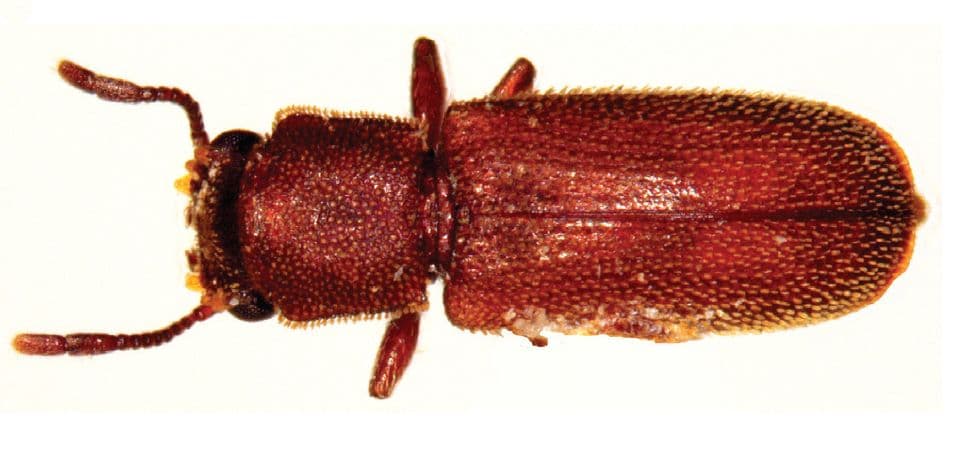
Powderpost Beetle
Small wood-boring beetles whose larvae tunnel through seasoned hardwood, leaving fine, flour-like powder (frass) and tiny round exit holes.
Moths3
Pantry and fabric moths whose larvae do the damage.
Moths3
Pantry and fabric moths whose larvae do the damage.
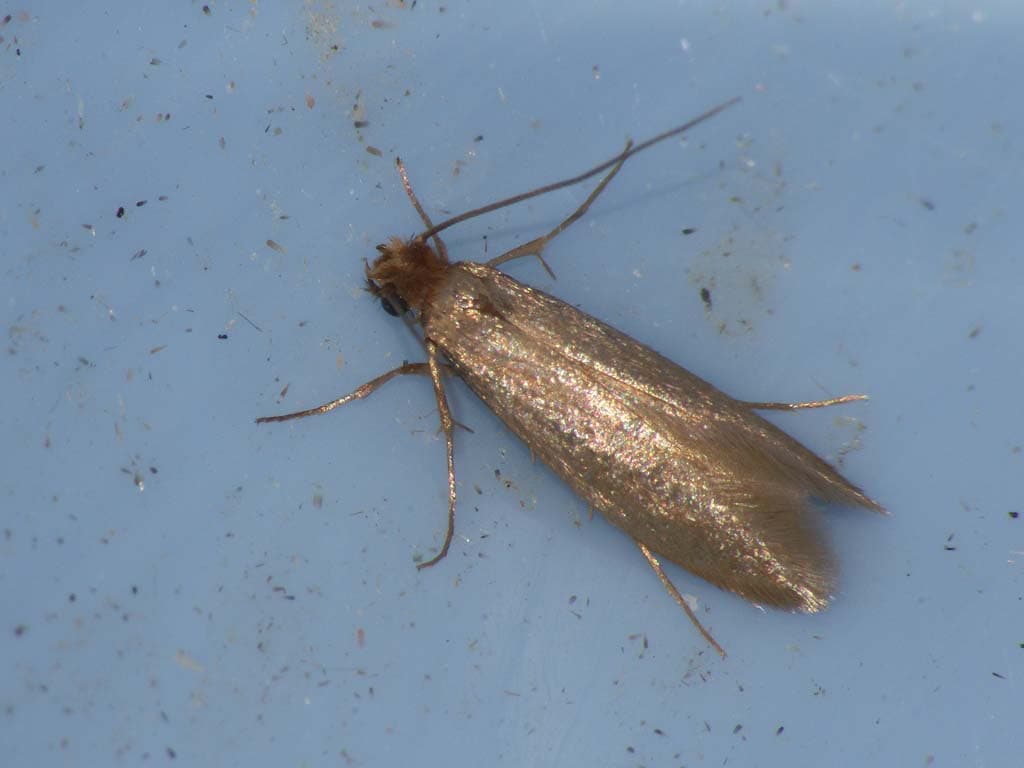
Clothes Moth
Small, pale gold moths whose larvae feed on natural fibers — wool, silk, fur — often damaging stored clothing in dark, undisturbed closets.
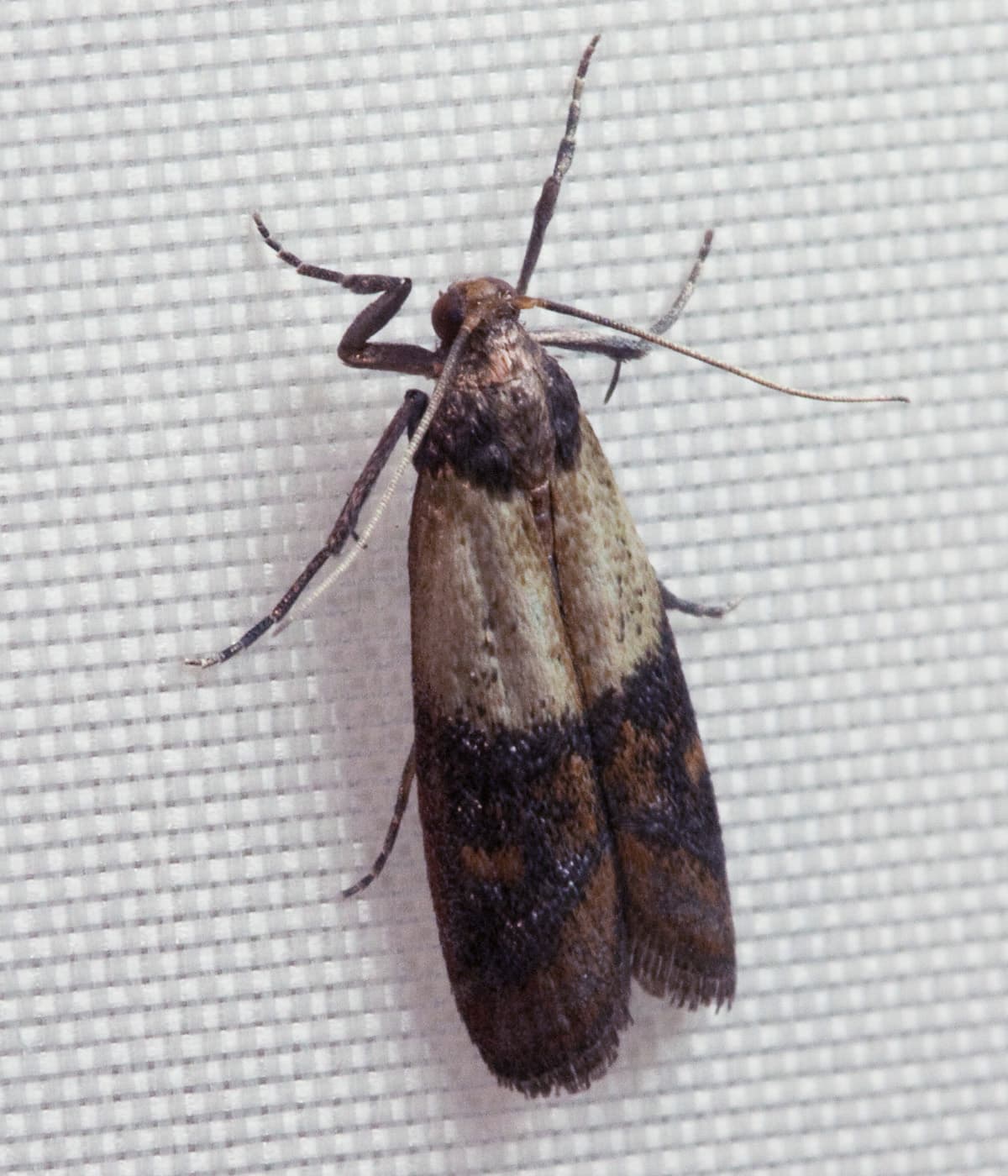
Pantry Moth
Small moths with reddish-brown wing tips whose larvae infest stored dry goods like grains, cereal, and pet food, leaving fine silk webbing in the product.
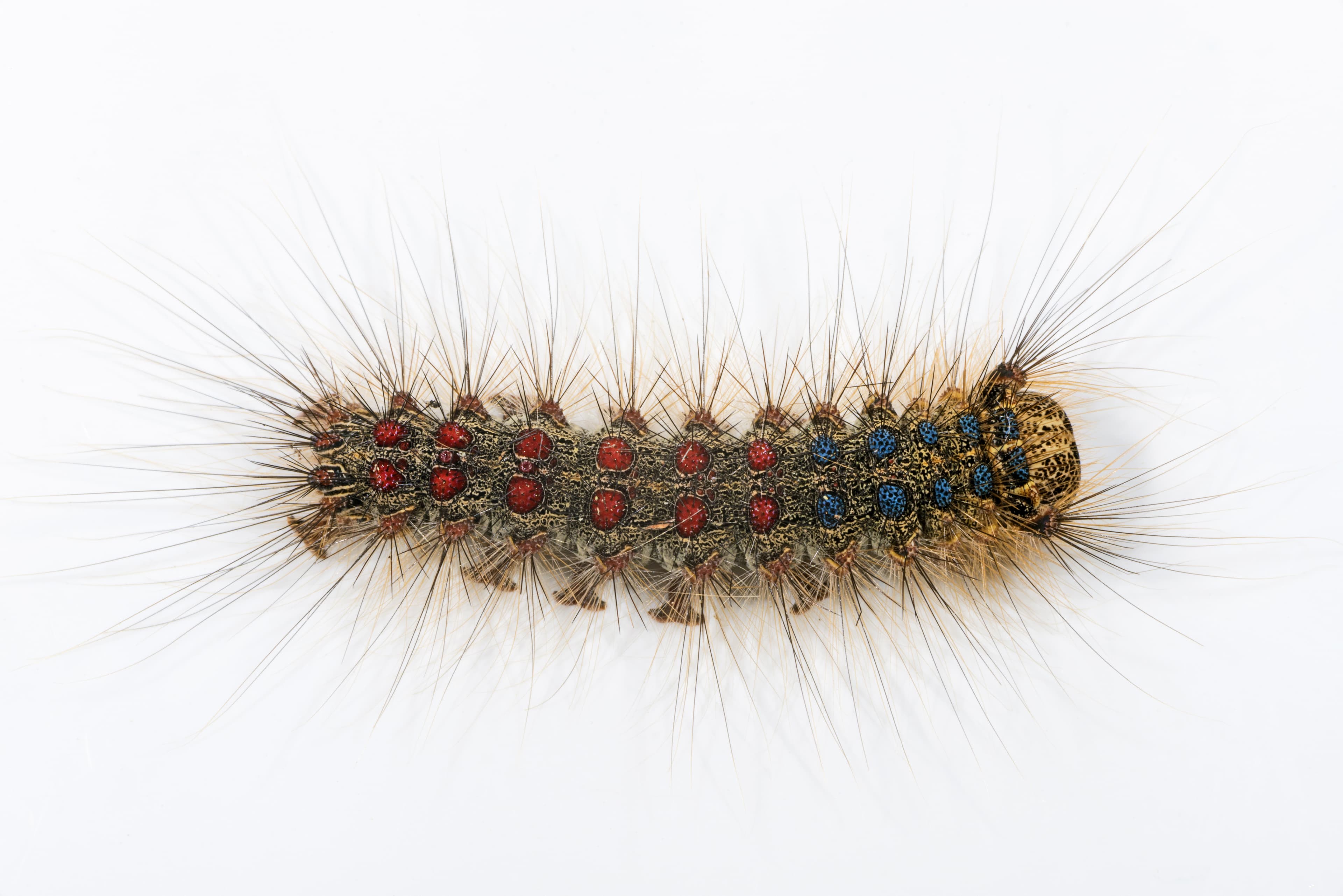
Spongy Moth
An invasive moth whose caterpillars can defoliate large numbers of hardwood trees during outbreak years; egg masses are tan, fuzzy, and found on tree trunks and outdoor surfaces.
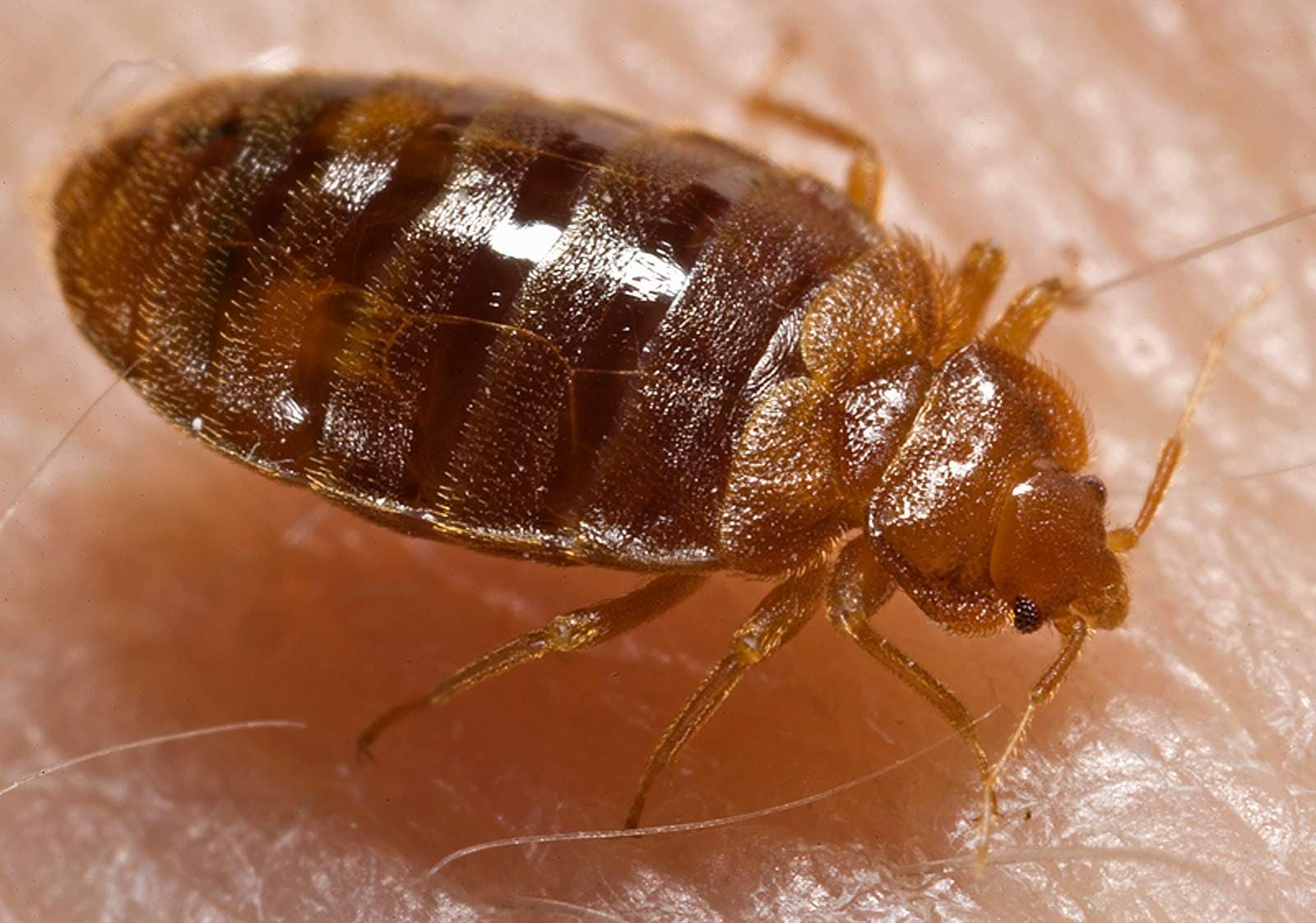
Bed Bugs1
Hitchhiking biters that hide in beds and furniture.
Bed Bugs1
Hitchhiking biters that hide in beds and furniture.
Nuisance Wildlife10
Larger animals that den in attics, chimneys, and under structures.
Nuisance Wildlife10
Larger animals that den in attics, chimneys, and under structures.
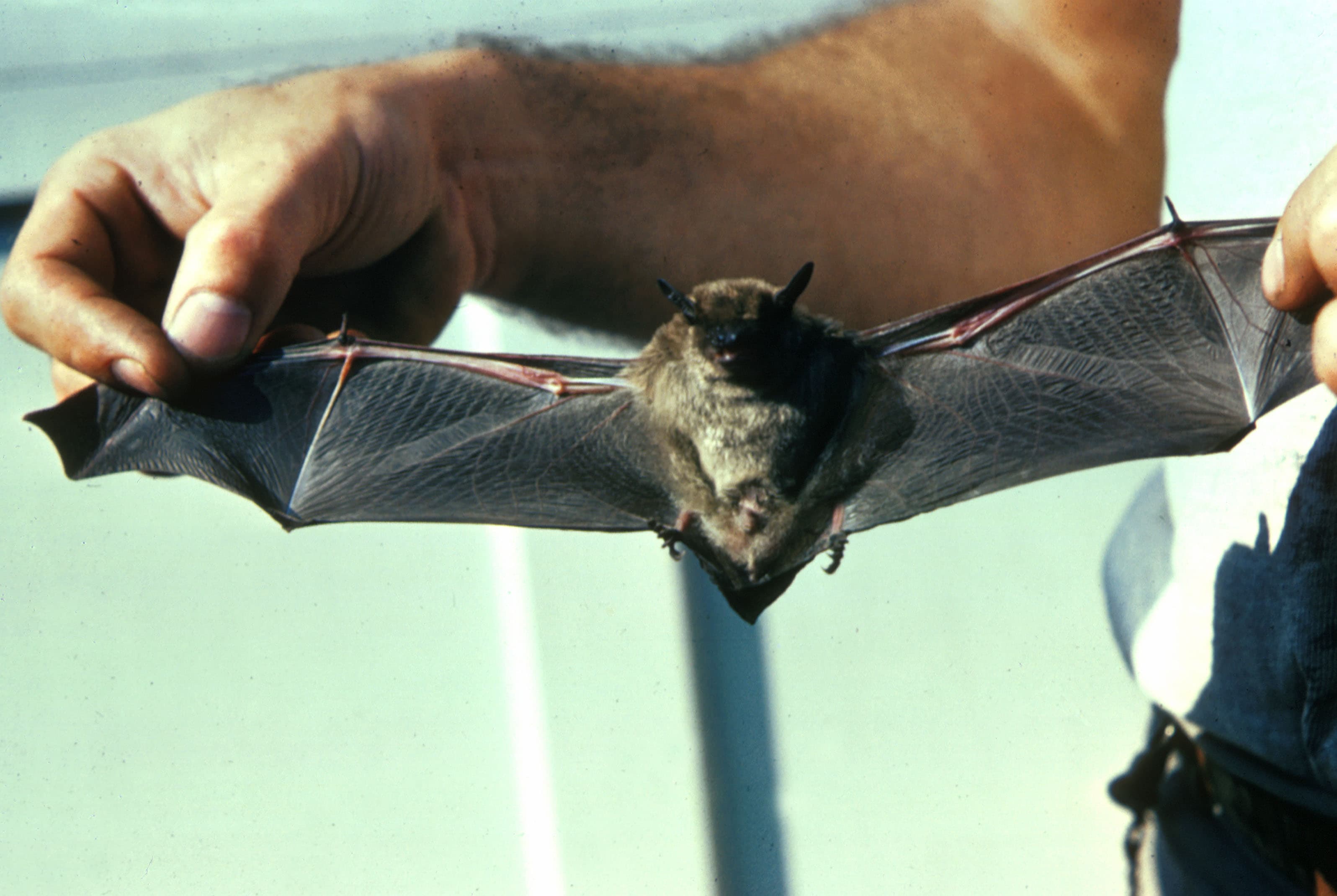
Bat
Small flying mammals that roost in attics, chimneys, and wall voids in colonies, entering through gaps as small as 3/8 inch. Exclusion work is typically timed outside maternity season to avoid trapping pups.
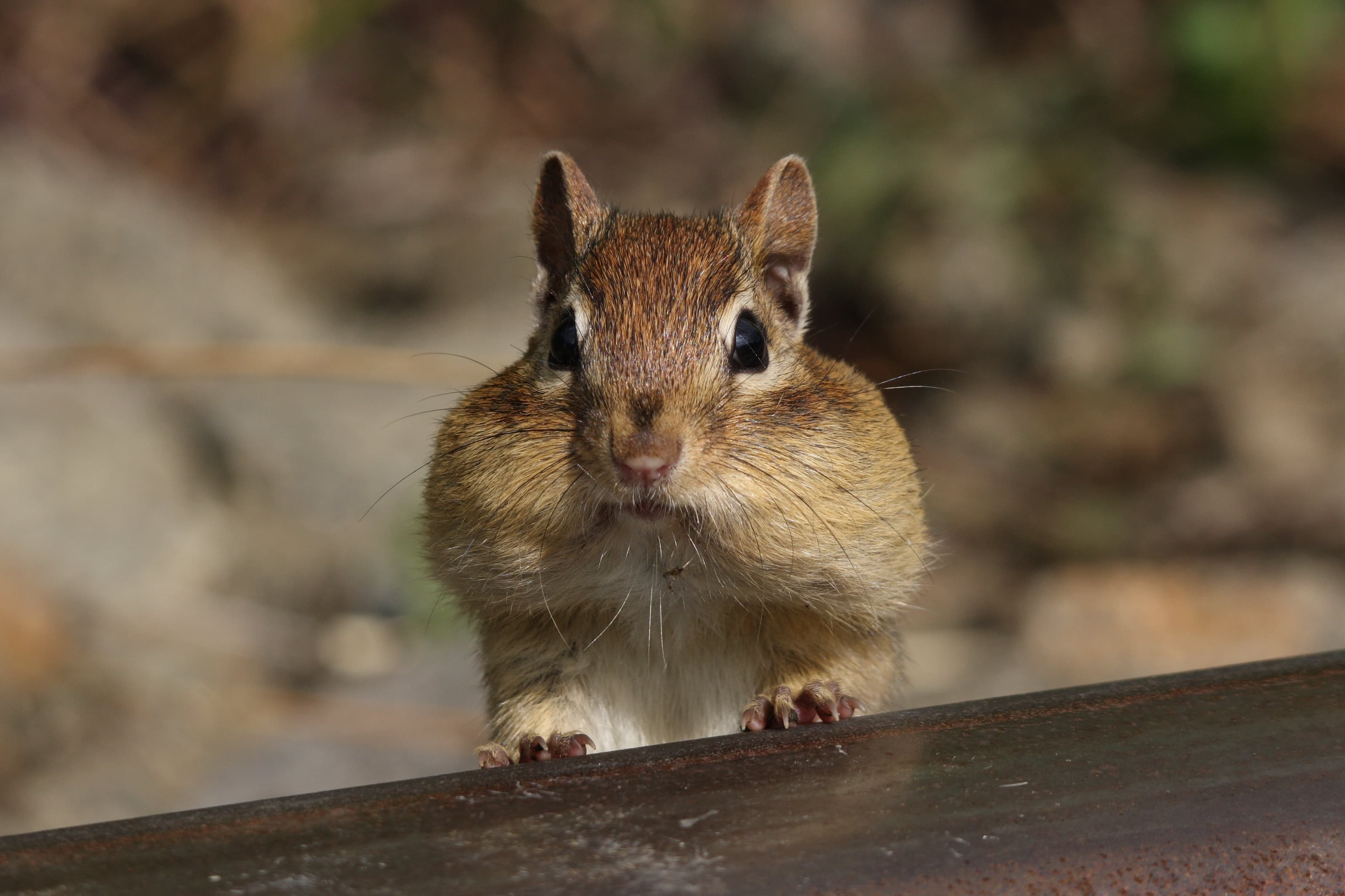
Chipmunk
Small striped rodents that burrow extensively under patios, foundations, and retaining walls, sometimes undermining structural stability over time.
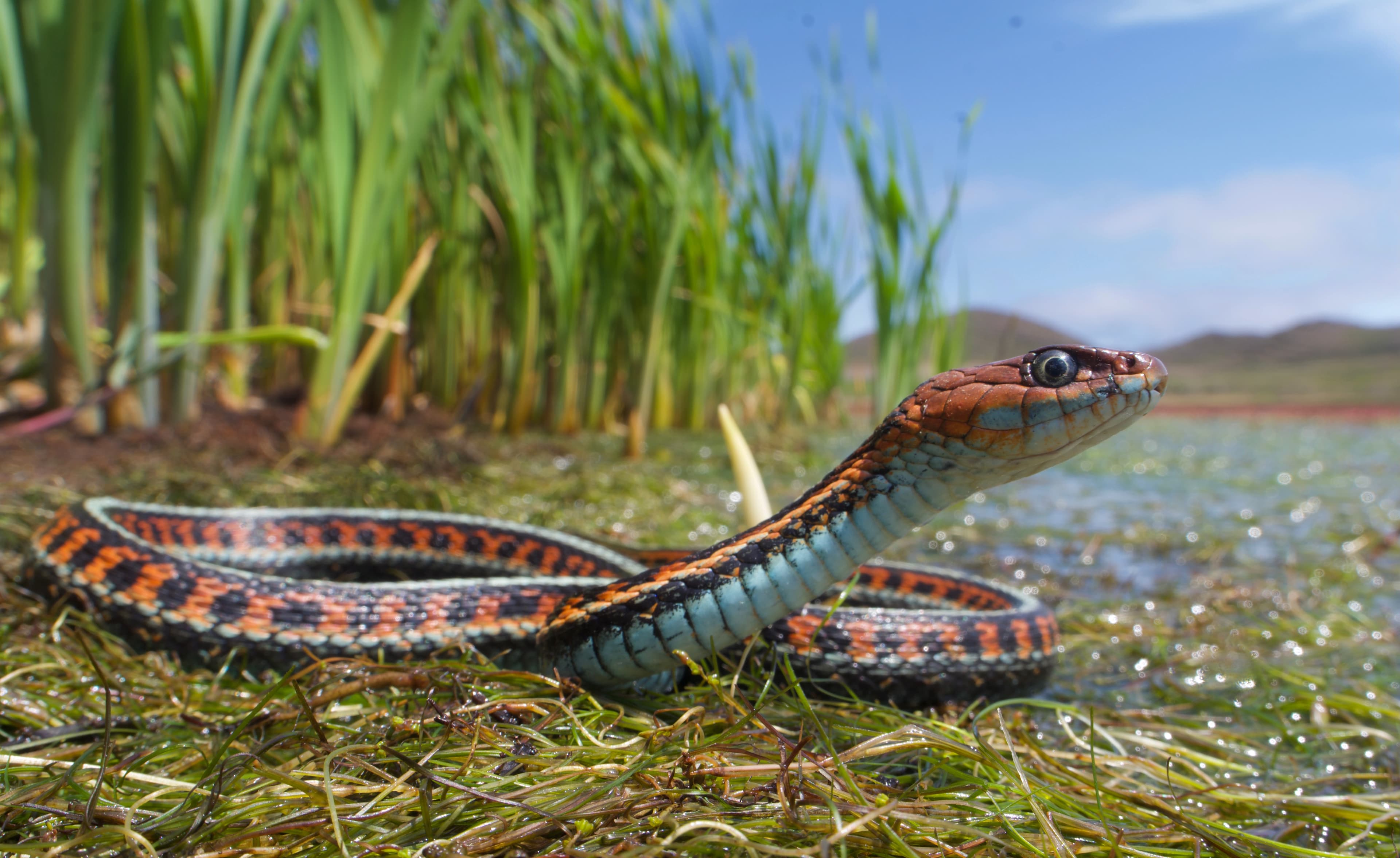
Garter Snake
Common, non-venomous, striped snakes that shelter under debris, mulch, and foundations, and are typically more of a nuisance presence than a genuine hazard.
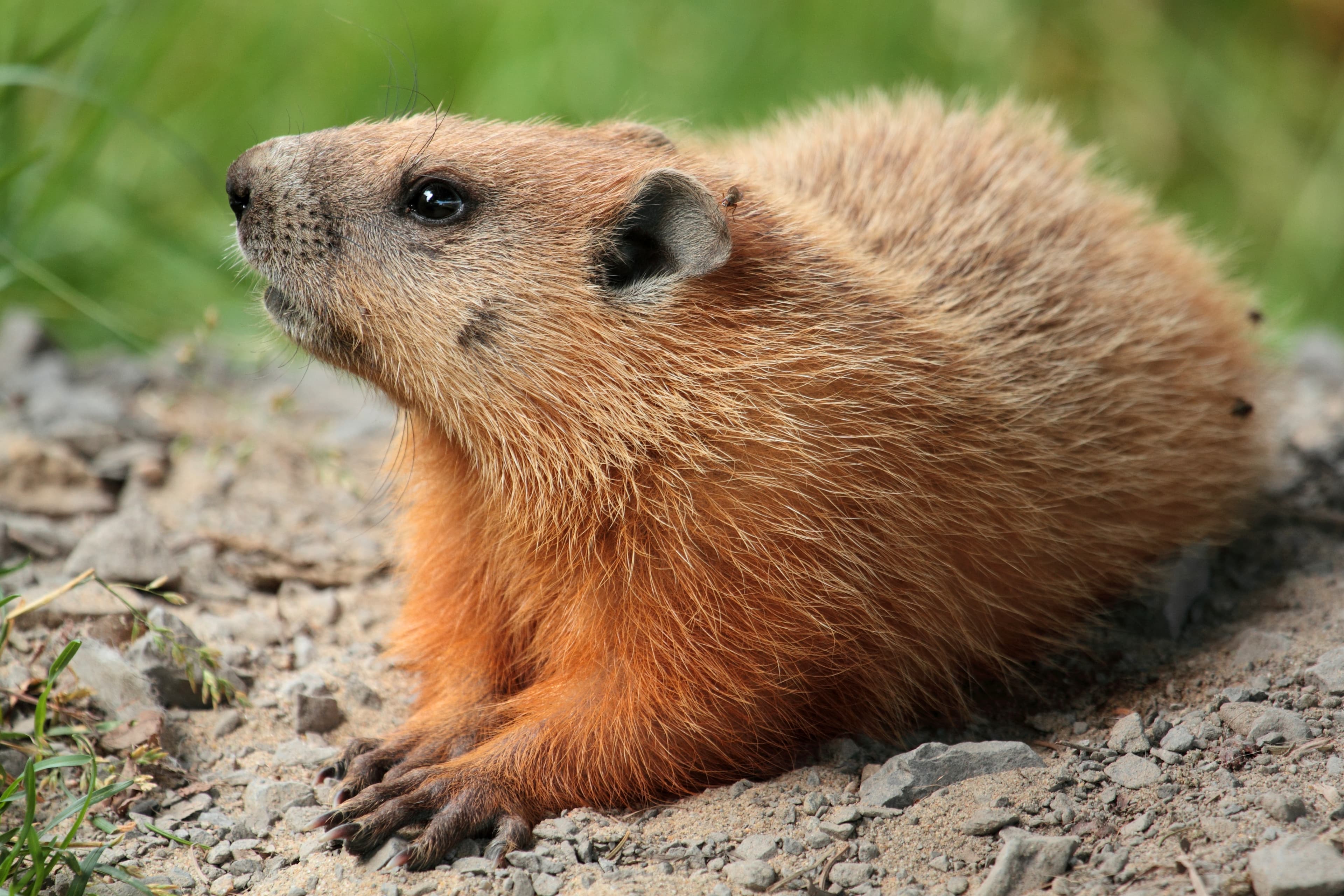
Groundhog
Large, stocky rodents (also called woodchucks) that dig extensive burrow systems under sheds, decks, and foundations, and feed heavily on garden vegetation.
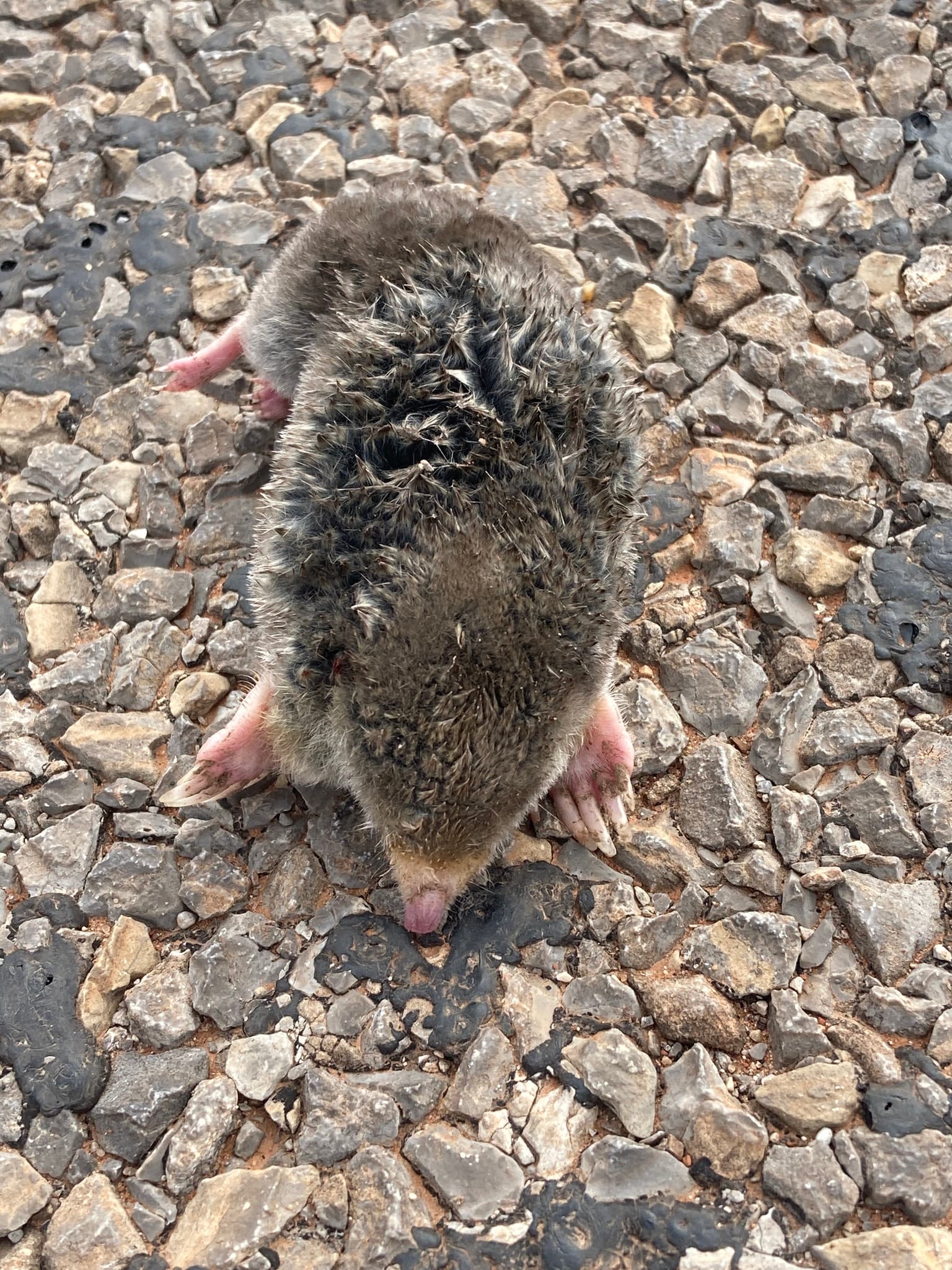
Mole
Small, velvety-furred burrowing mammals with paddle-like front feet that create raised surface tunnels and volcano-shaped mounds while feeding on grubs and earthworms in lawns.
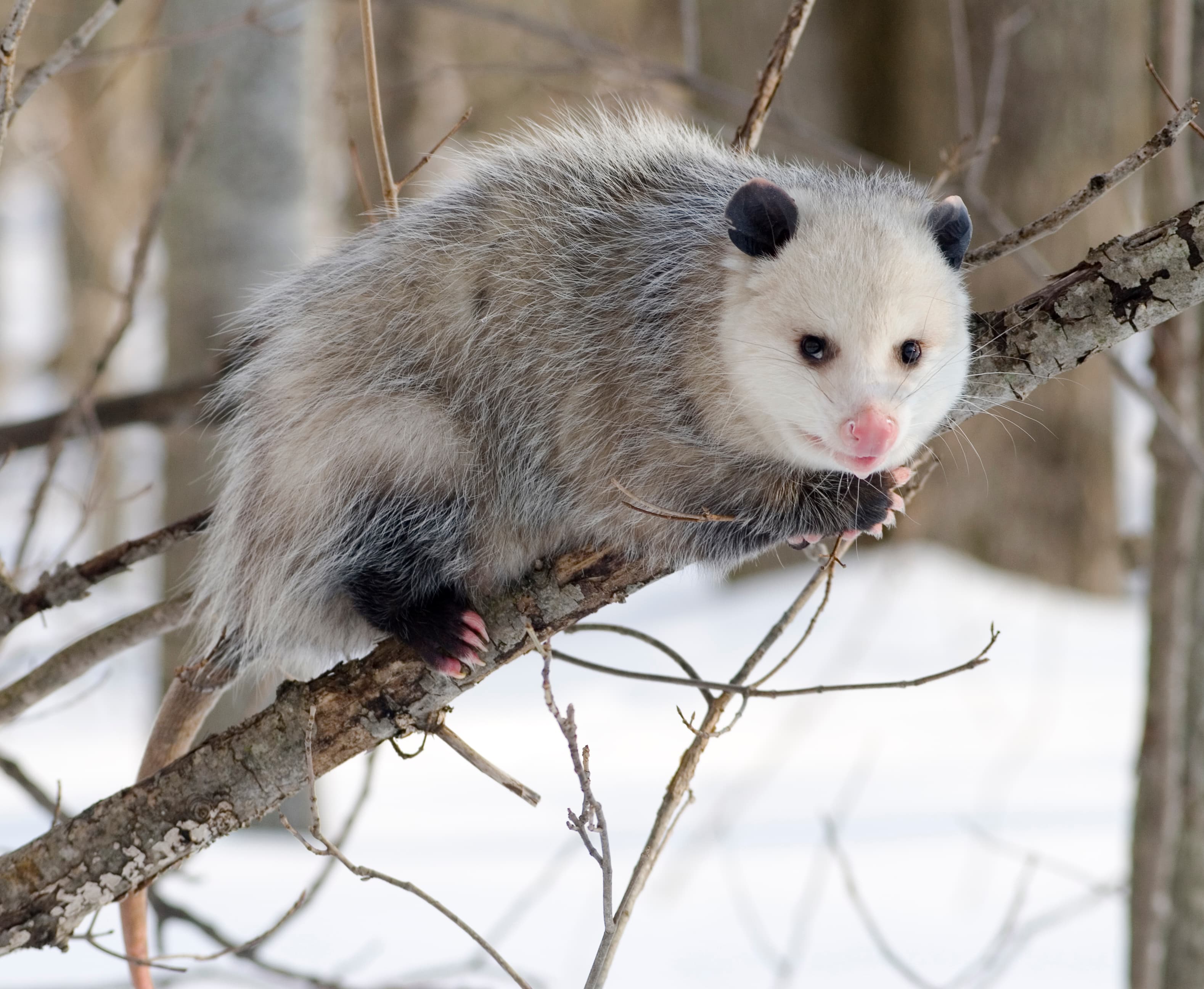
Opossum
North America's only marsupial — gray, cat-sized, with a hairless prehensile tail — that often dens under porches, sheds, and decks.
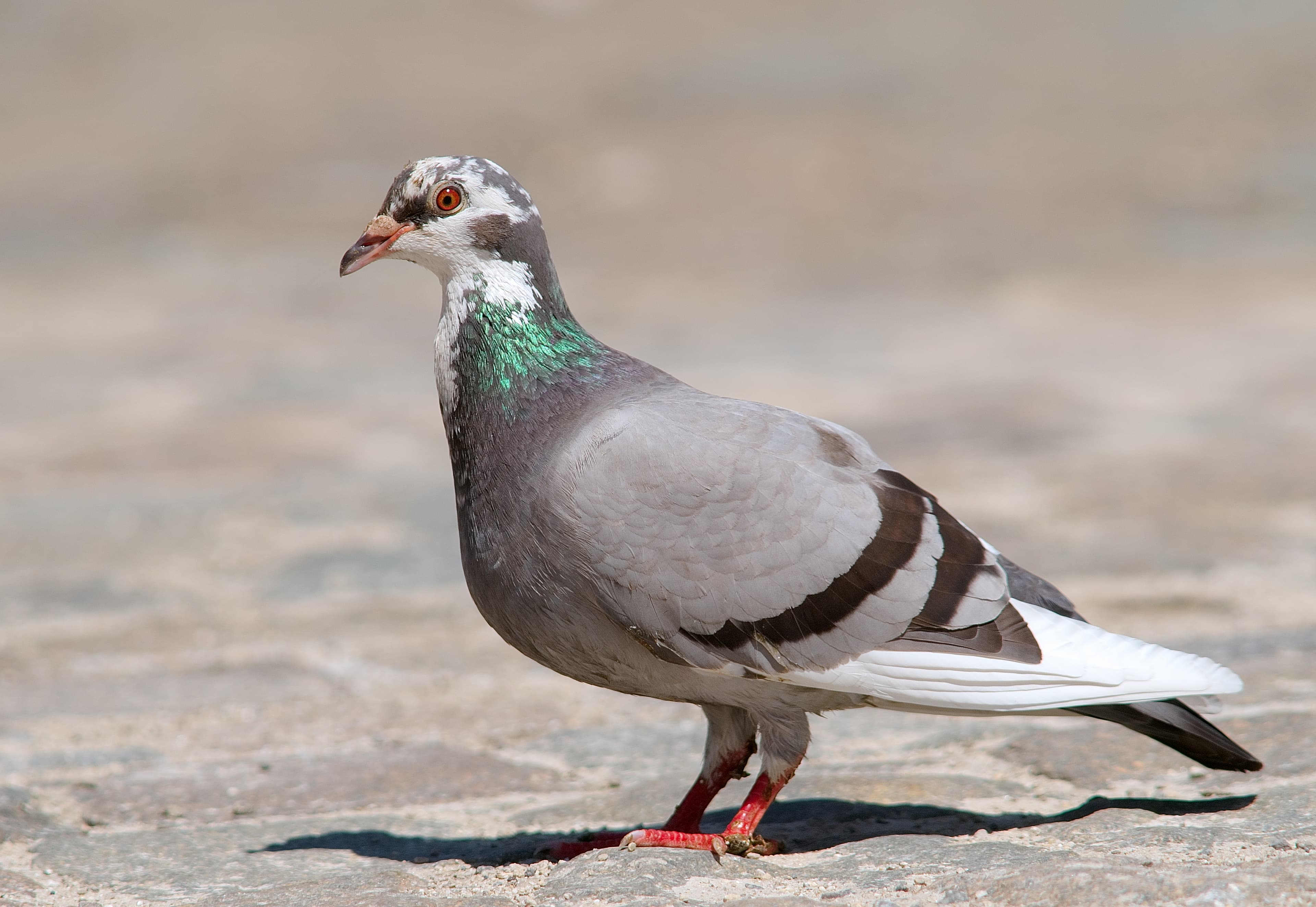
Pigeon
Gray birds that roost and nest on ledges, rooftops, and building overhangs in urban areas, with droppings that can damage surfaces and pose a sanitation concern.
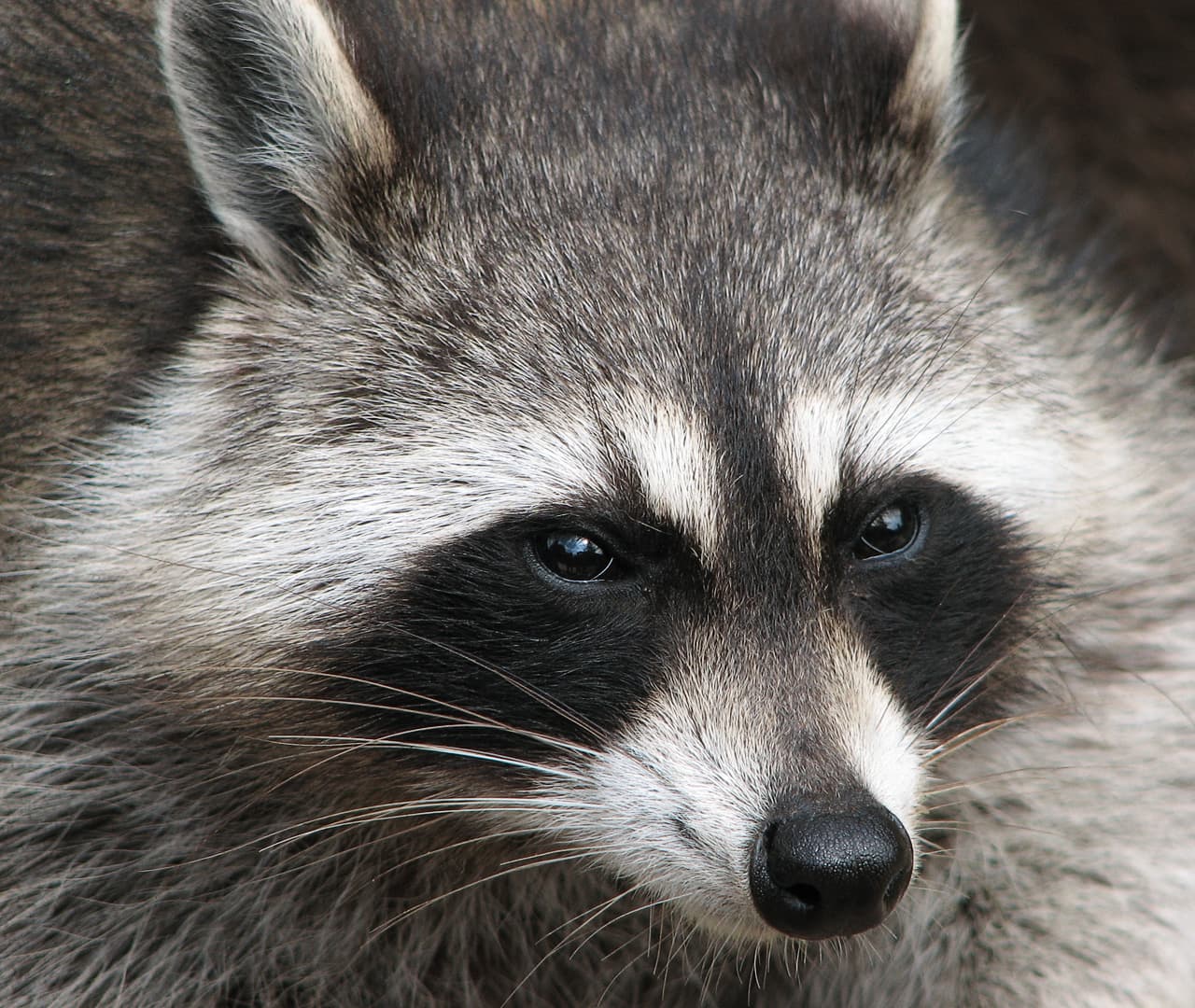
Raccoon
Gray-brown mammals with a distinctive black facial mask and ringed tail, known for raiding garbage and denning in attics, chimneys, and crawl spaces, especially females seeking a spot to raise young.
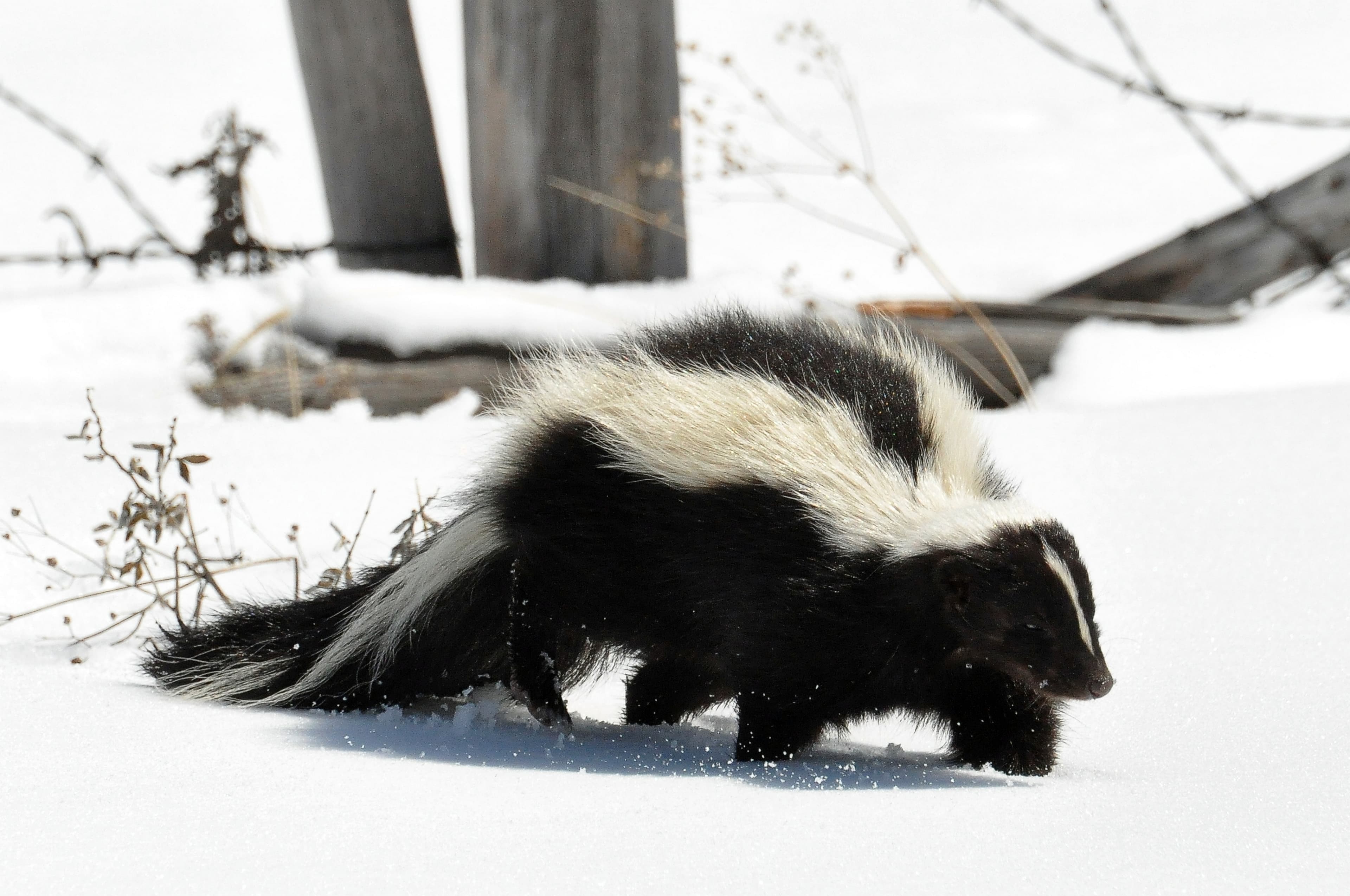
Skunk
Black-and-white striped mammals known for spraying a strong-smelling defensive musk, that dig burrows under porches, sheds, and foundations.
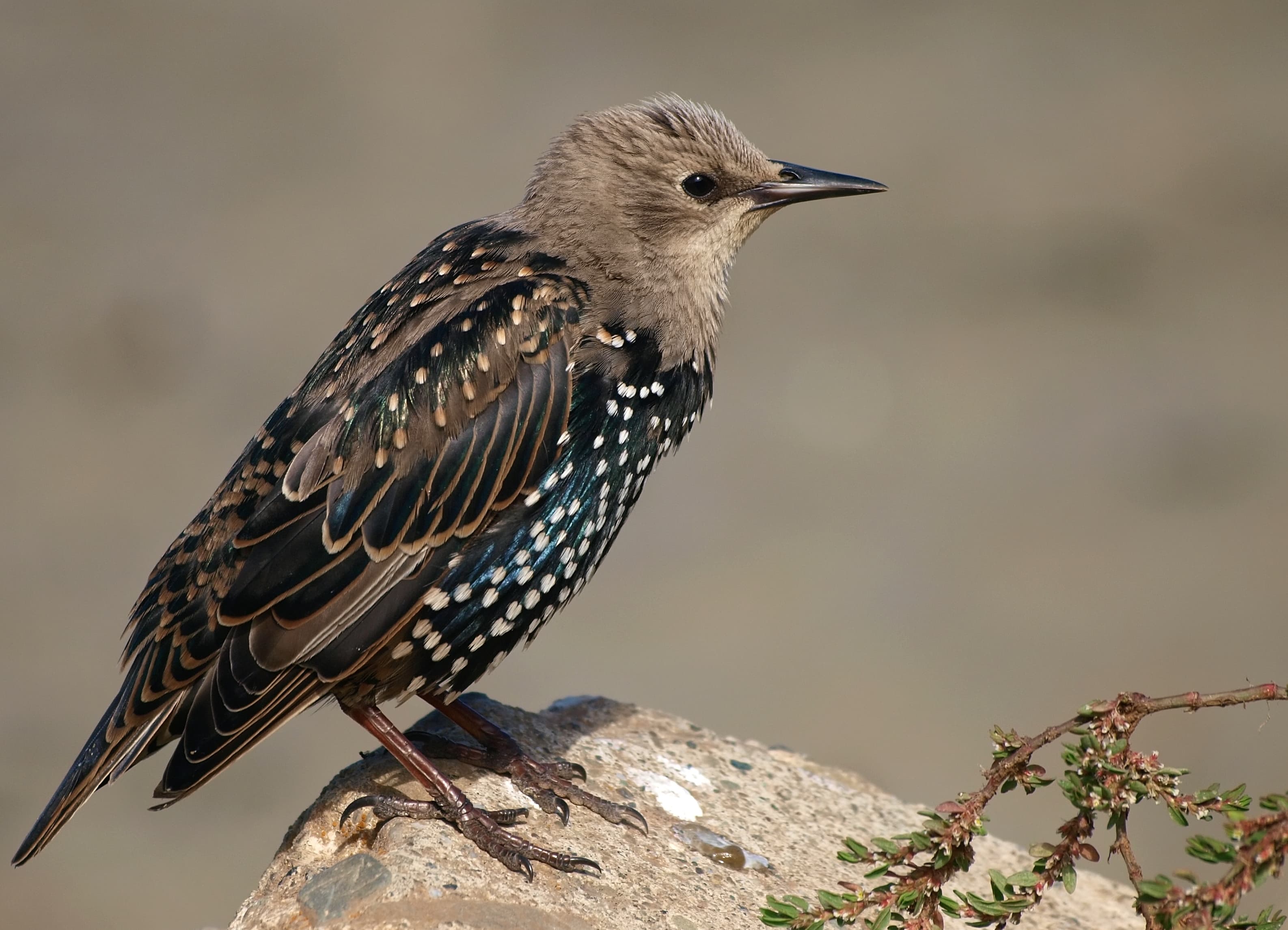
Starling
Glossy black birds with iridescent sheen that nest in large, noisy colonies in vents, eaves, and signage, often displacing native cavity-nesting birds.
Other Bugs20
Occasional invaders, moisture pests, and garden bugs.
Other Bugs20
Occasional invaders, moisture pests, and garden bugs.
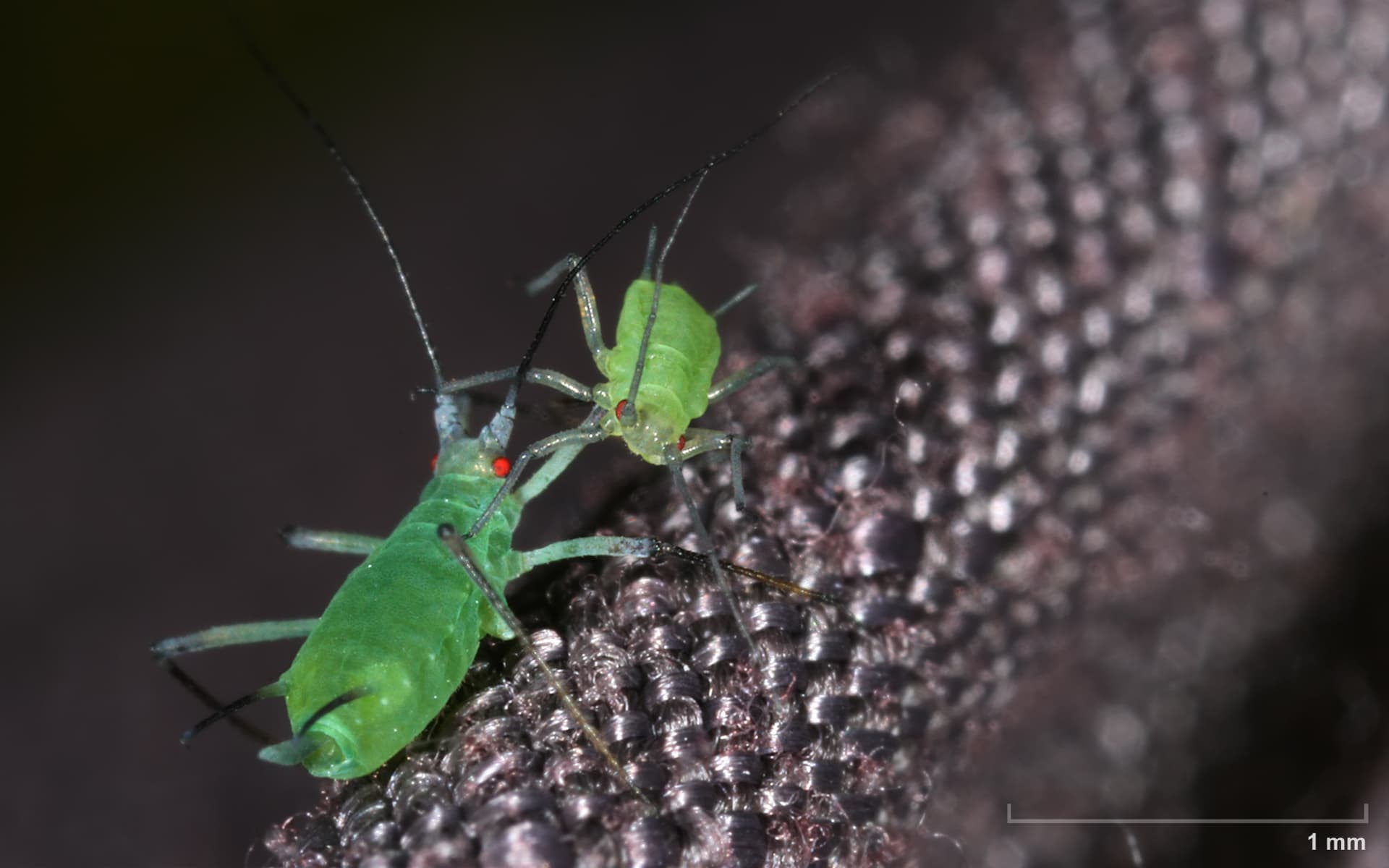
Aphid
Tiny soft-bodied insects, often green or black, that cluster on new plant growth to feed on sap and excrete sticky honeydew that attracts ants and sooty mold.
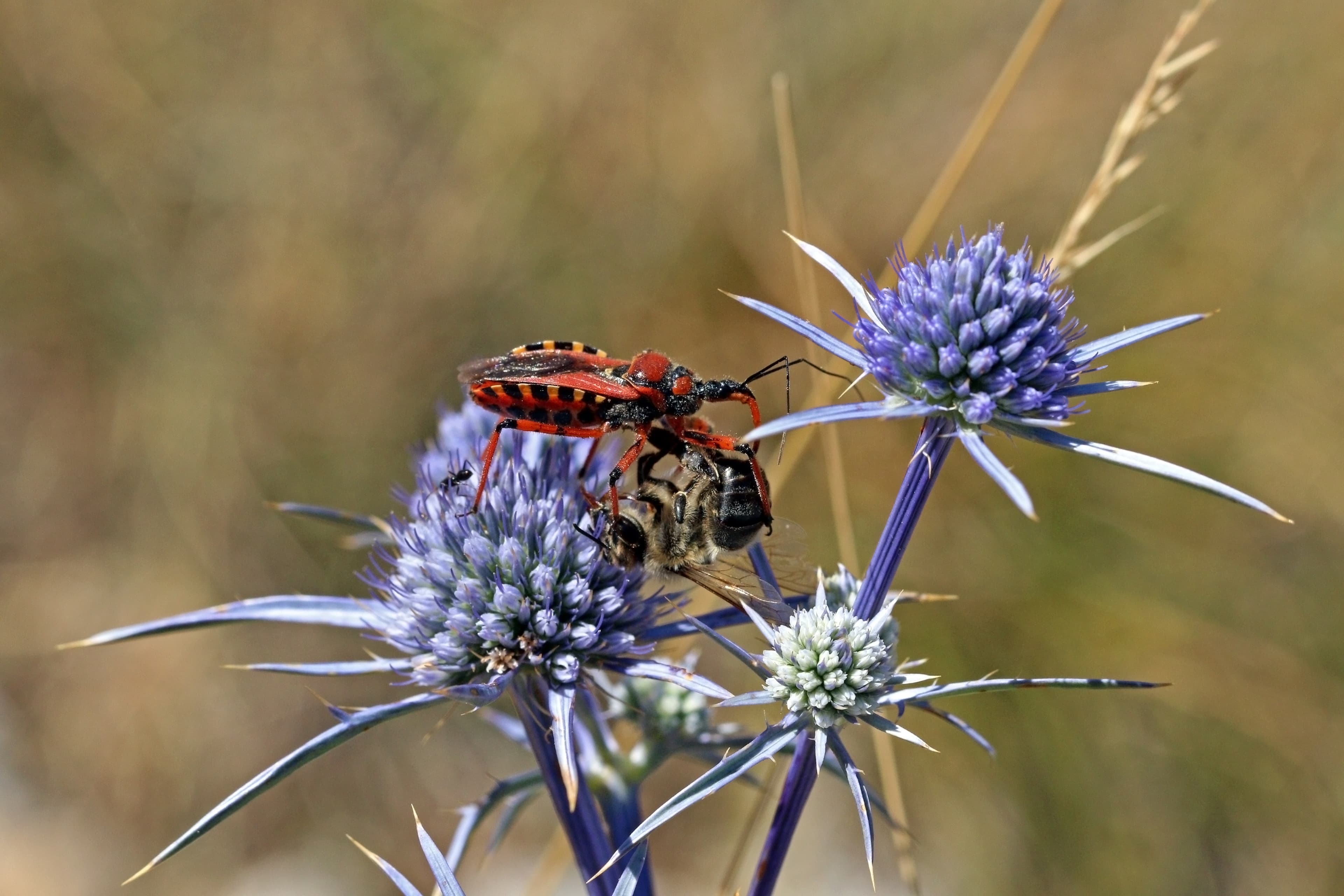
Assassin Bug
Predatory true bugs with a curved, piercing mouthpart used to feed on other insects; while beneficial in gardens, some species can deliver a painful bite if handled.
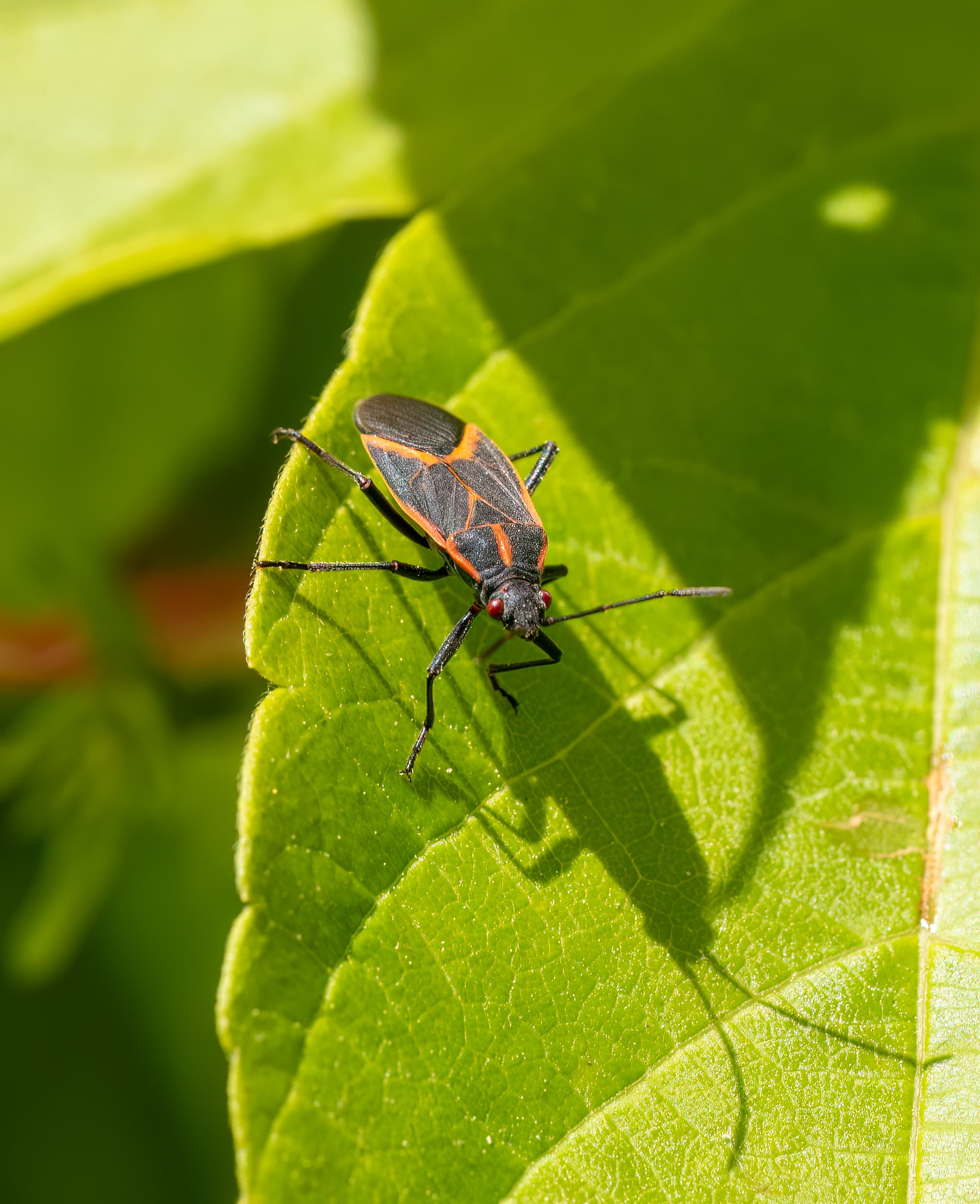
Boxelder Bug
Black bugs with distinctive red-orange wing markings that congregate in large numbers on sunny walls near boxelder and maple trees in fall.
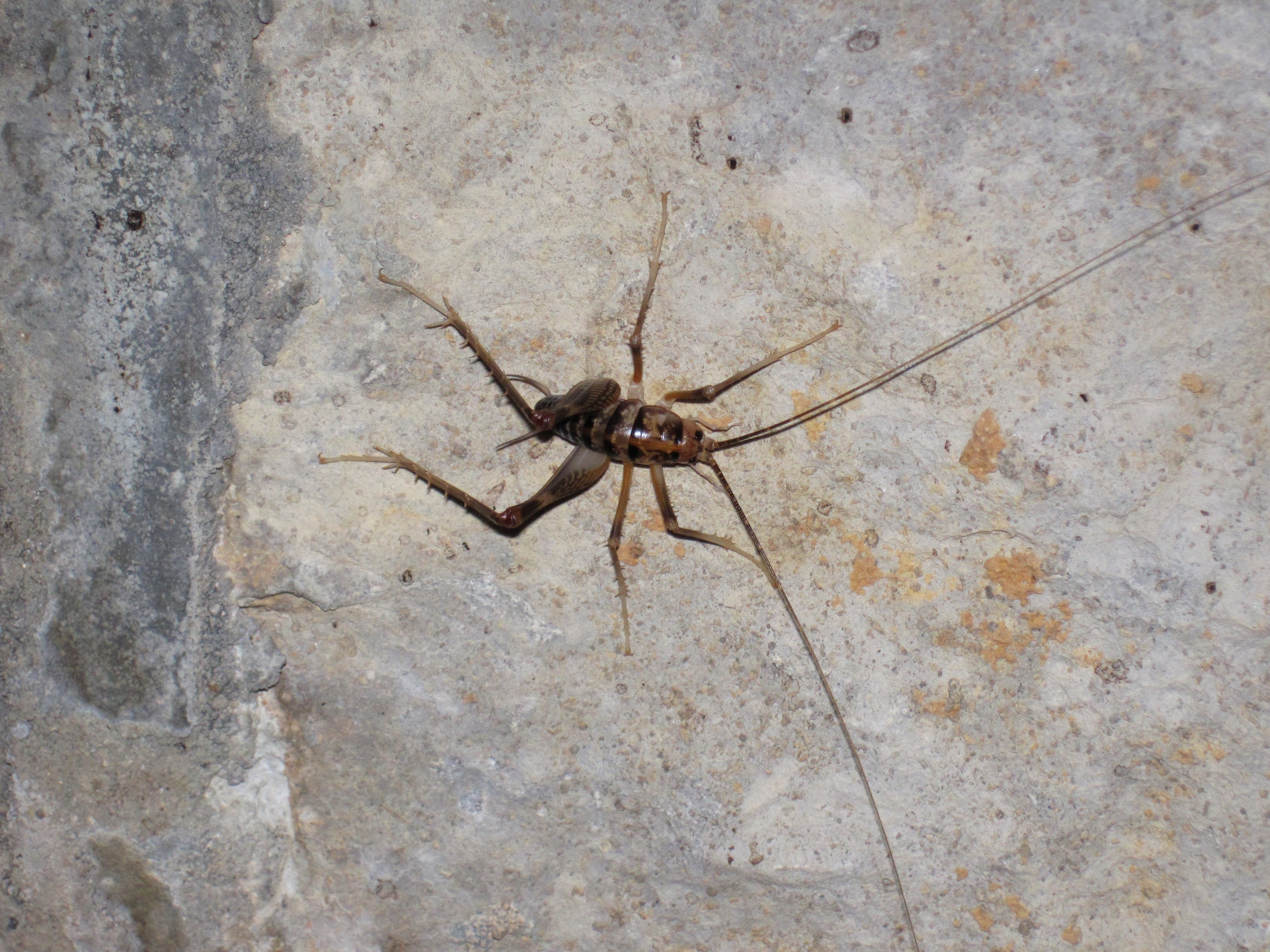
Cave Cricket
Also called camel crickets — humpbacked, wingless (silent) crickets with very long legs, commonly found in damp basements, crawl spaces, and garages.
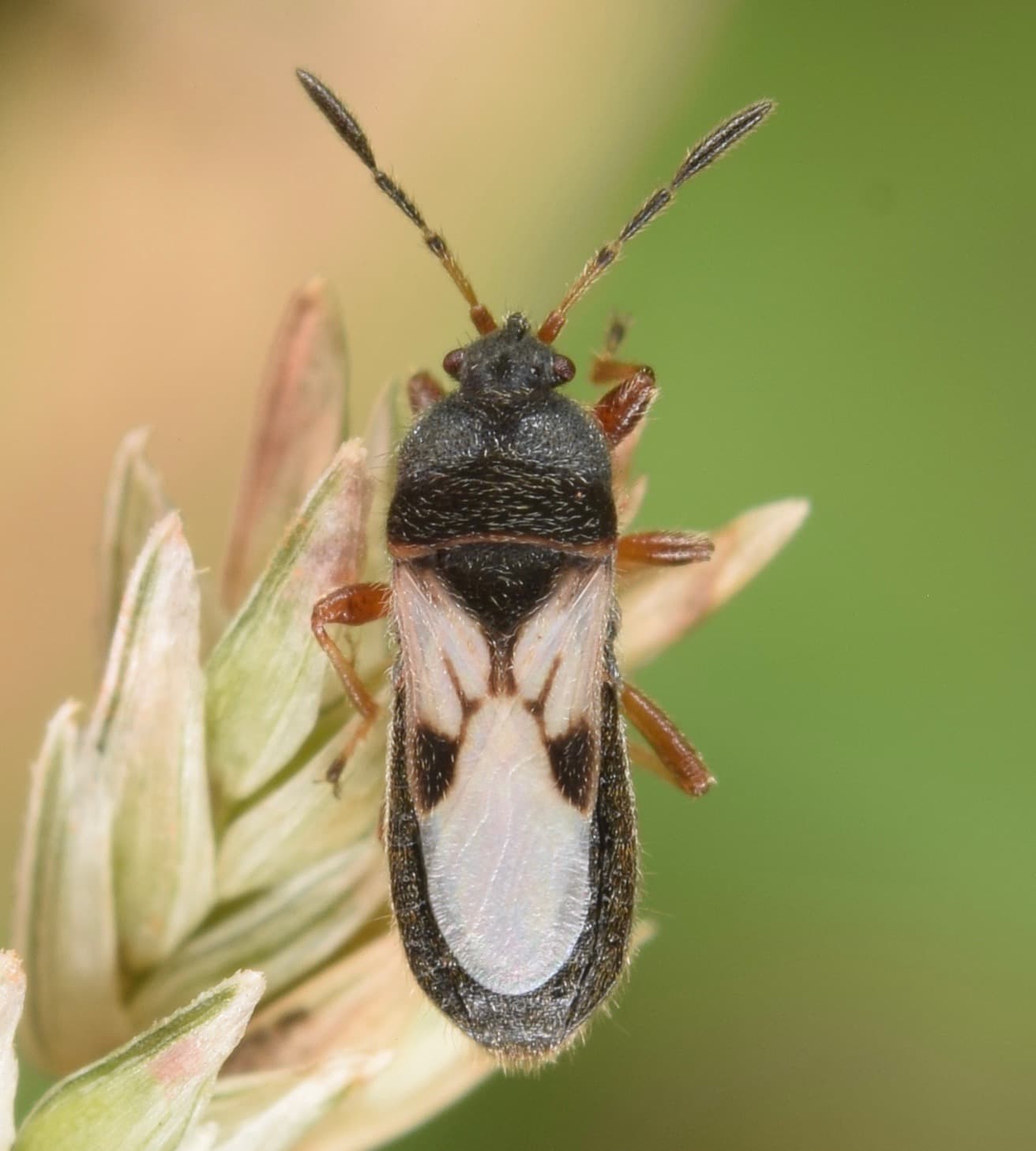
Chinch Bug
Small black-and-white true bugs that feed on grass at the soil line, causing irregular yellow-brown patches in lawns that are often mistaken for drought stress.
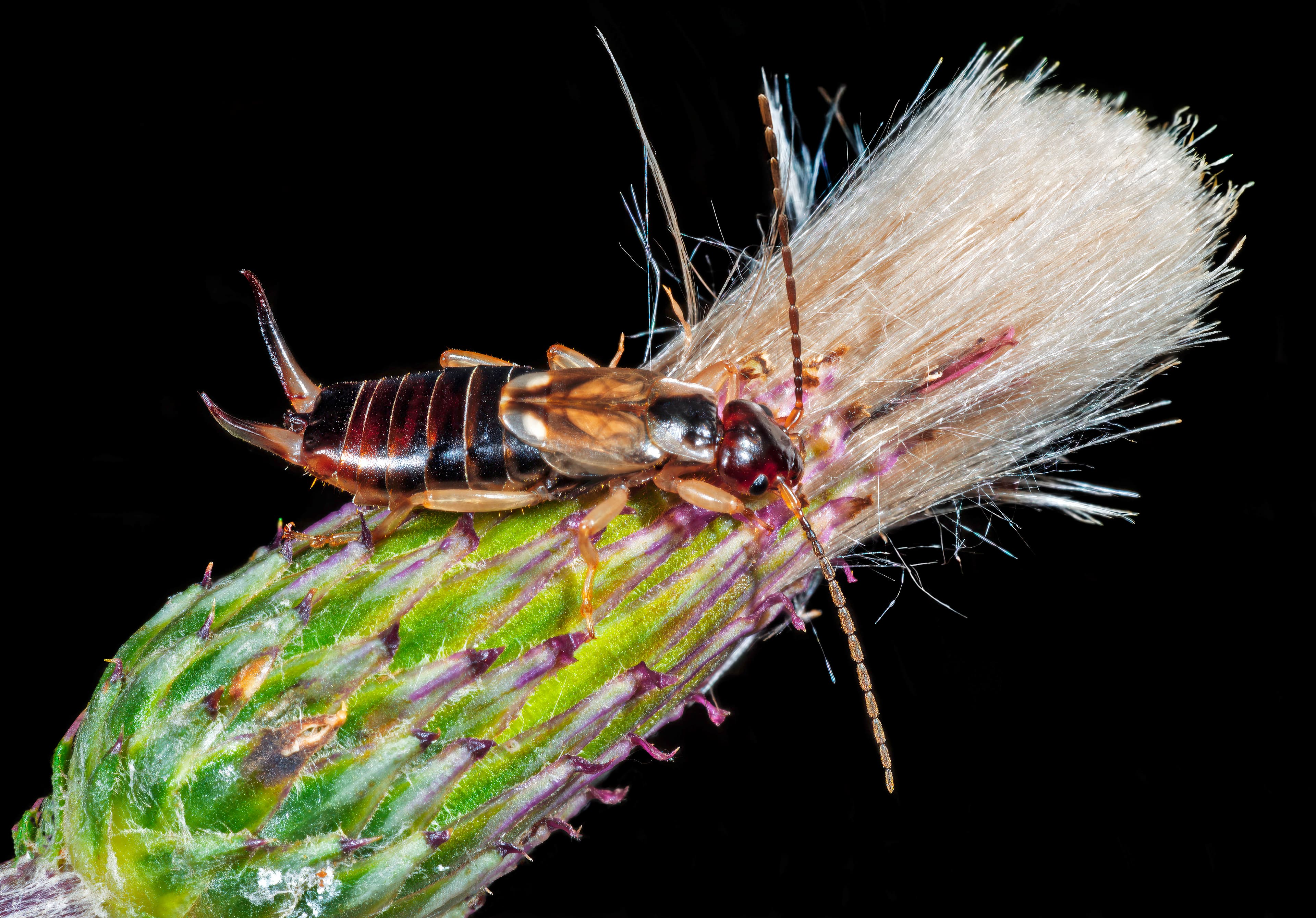
Earwig
Reddish-brown insects with prominent pincers (cerci) at the rear of the abdomen, active at night and found in damp mulch, under debris, and occasionally indoors.
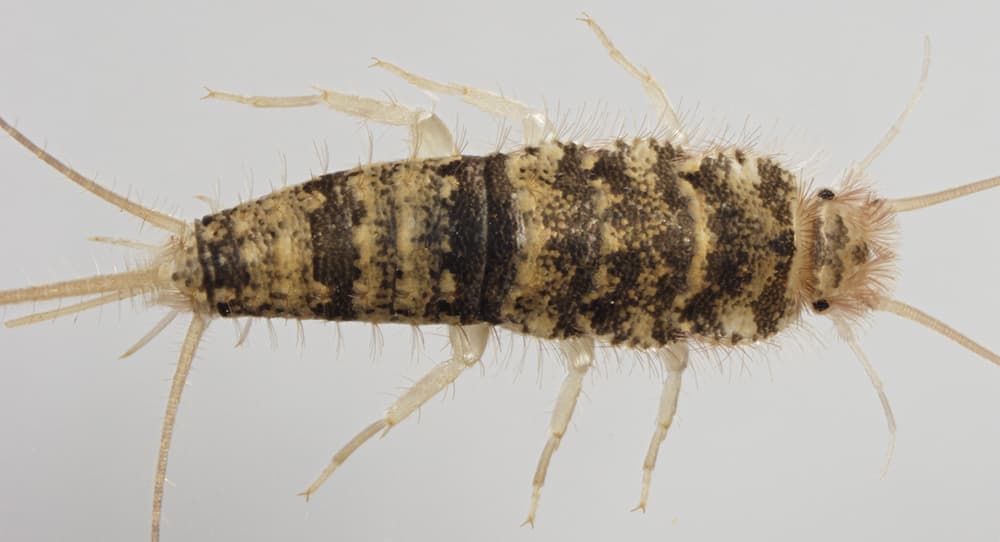
Firebrat
Close relatives of silverfish with mottled gray-brown coloring, preferring warmer areas near furnaces, ovens, and attics rather than cool basements.
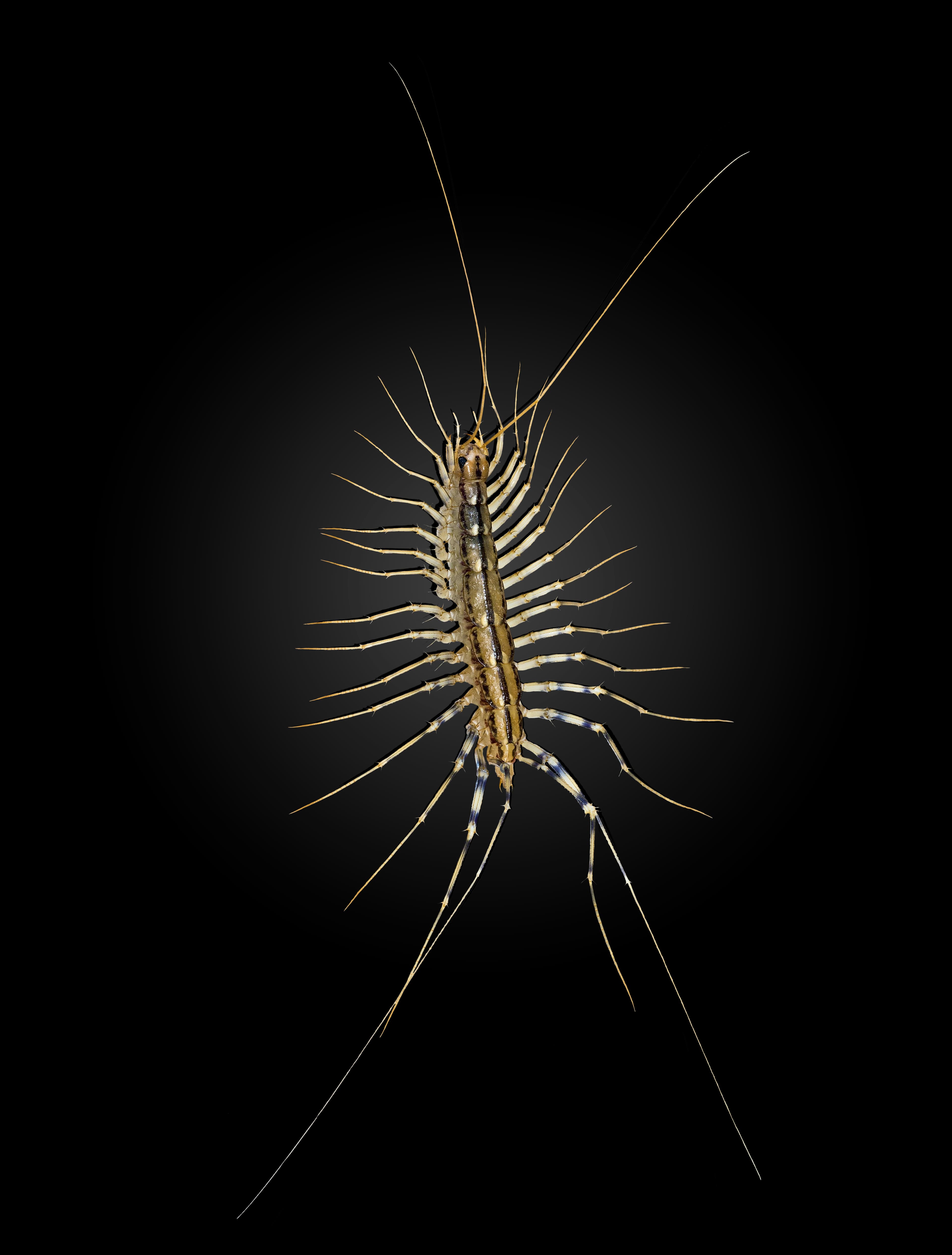
House Centipede
Fast-moving, long-legged arthropods with a yellowish-gray banded body, found in damp areas like basements and bathrooms — actually beneficial predators of other household insects.
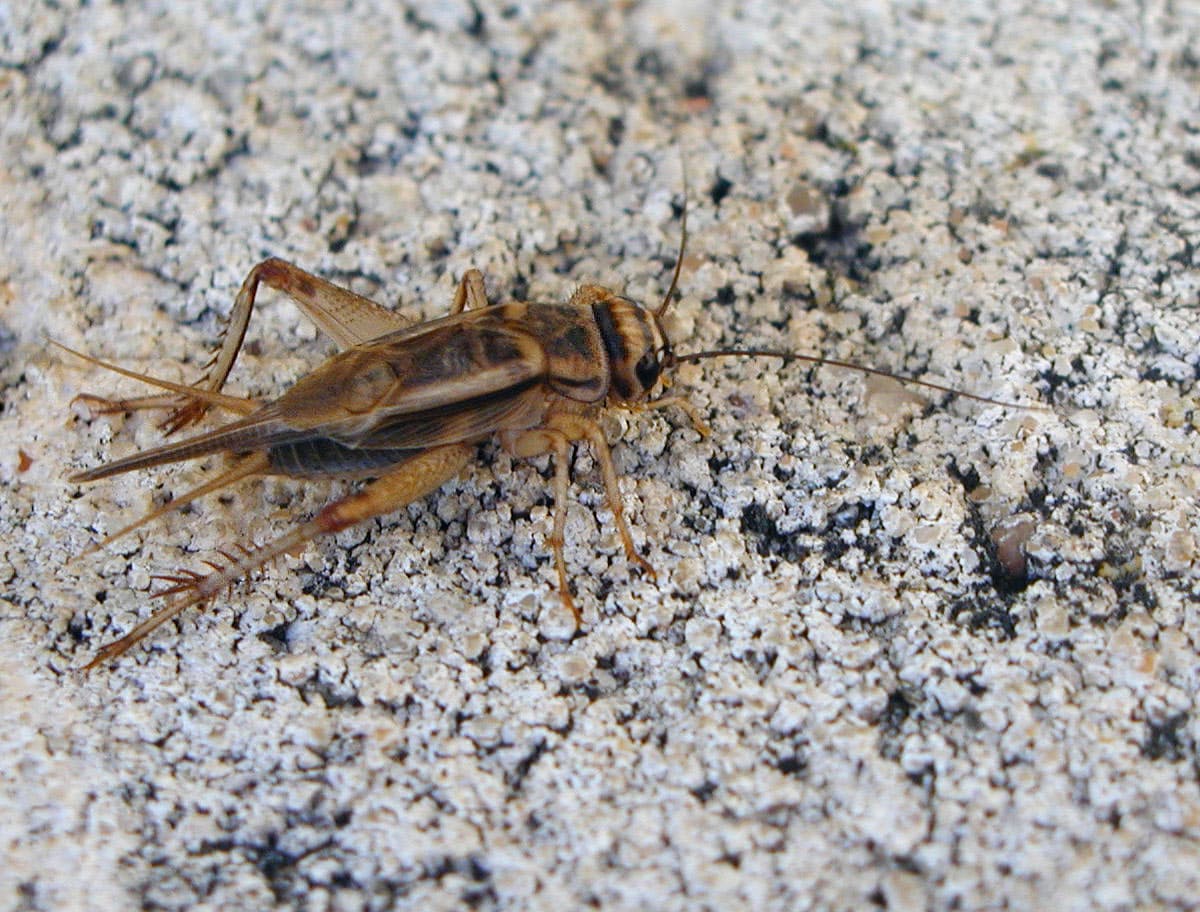
House Cricket
Light brown crickets known for their loud chirping, drawn indoors by warmth and light, and capable of damaging fabric and paper when populations are high.
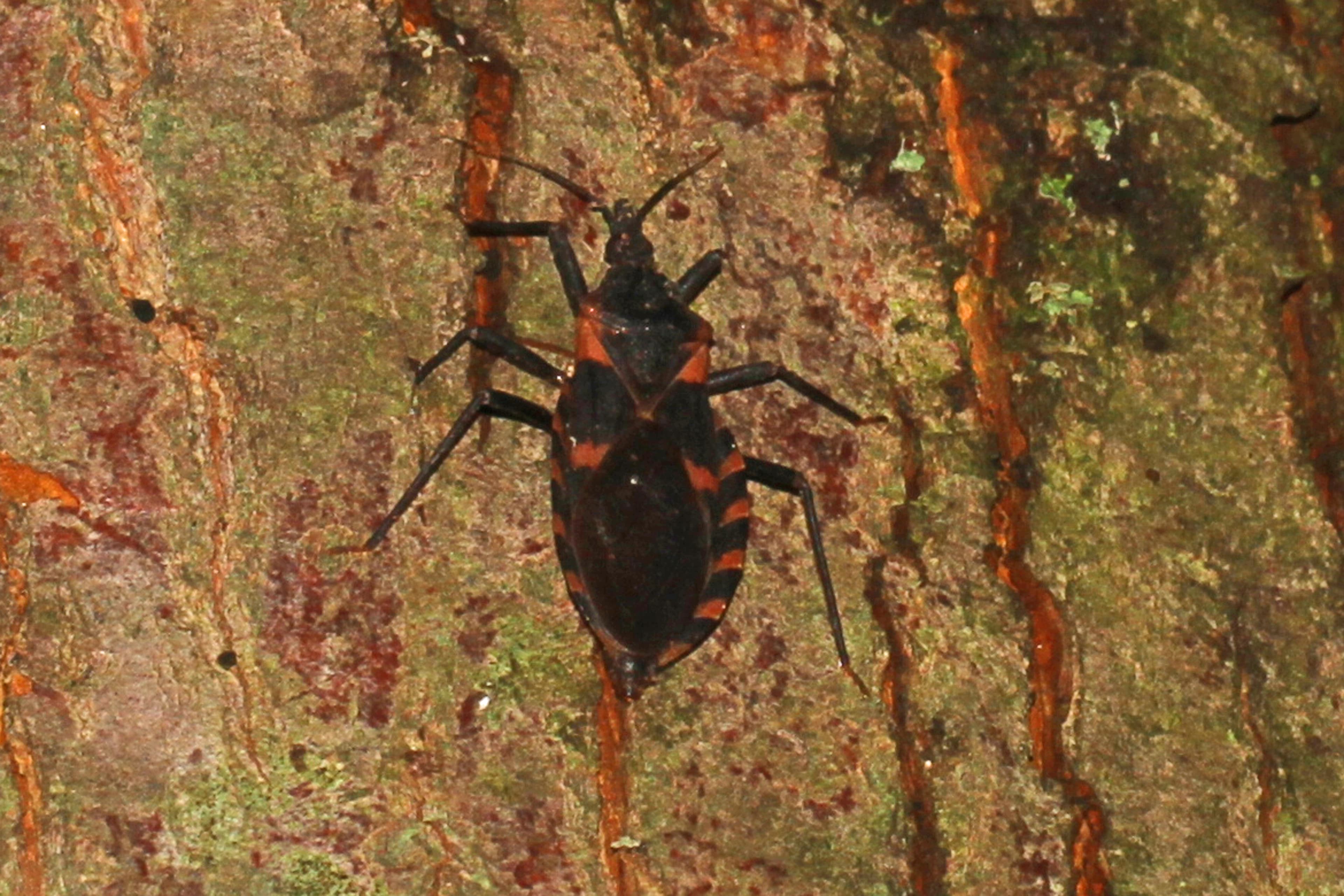
Kissing Bug
Dark, flat-bodied bugs with red-orange markings on the abdomen edge that feed on blood at night, most concerning as a rare carrier of Chagas disease in southern states.
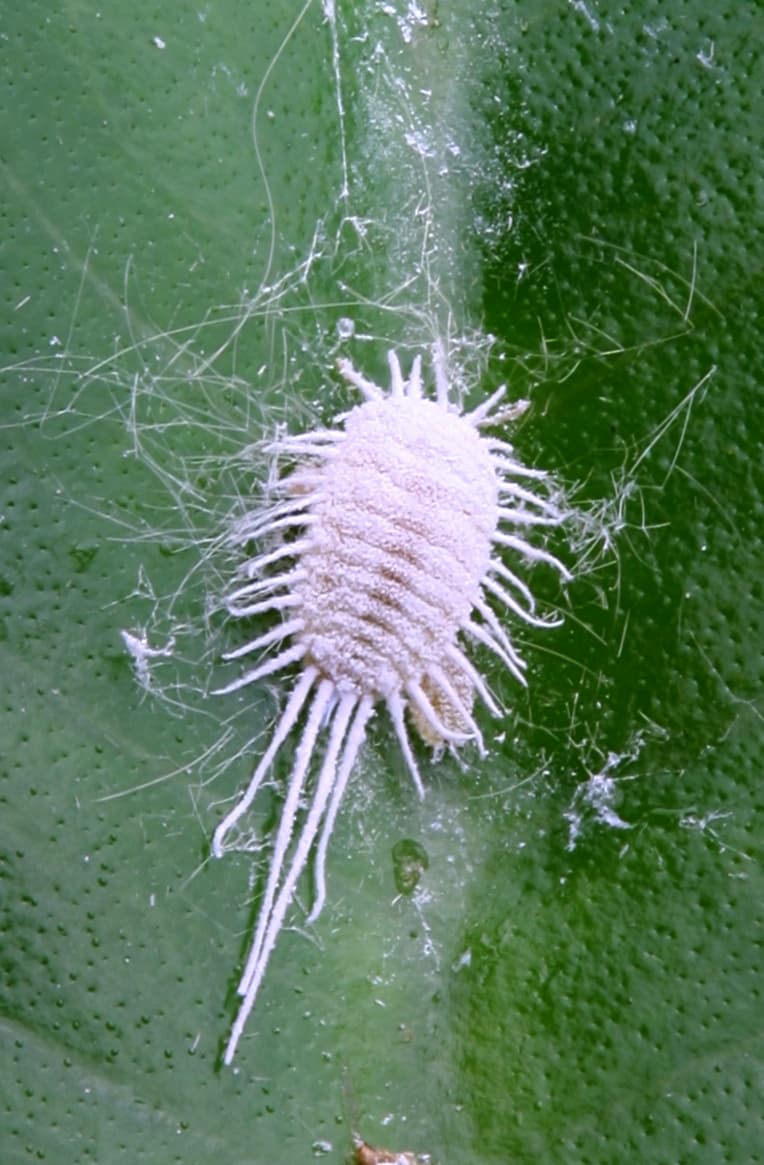
Mealybug
Small, soft insects covered in a white, cottony wax coating, clustering in leaf joints and undersides where they feed on plant sap.

Millipede
Cylindrical, dark-colored arthropods with two pairs of legs per body segment that curl into a spiral when disturbed, common in mulch and moist soil, occasionally wandering indoors after heavy rain.
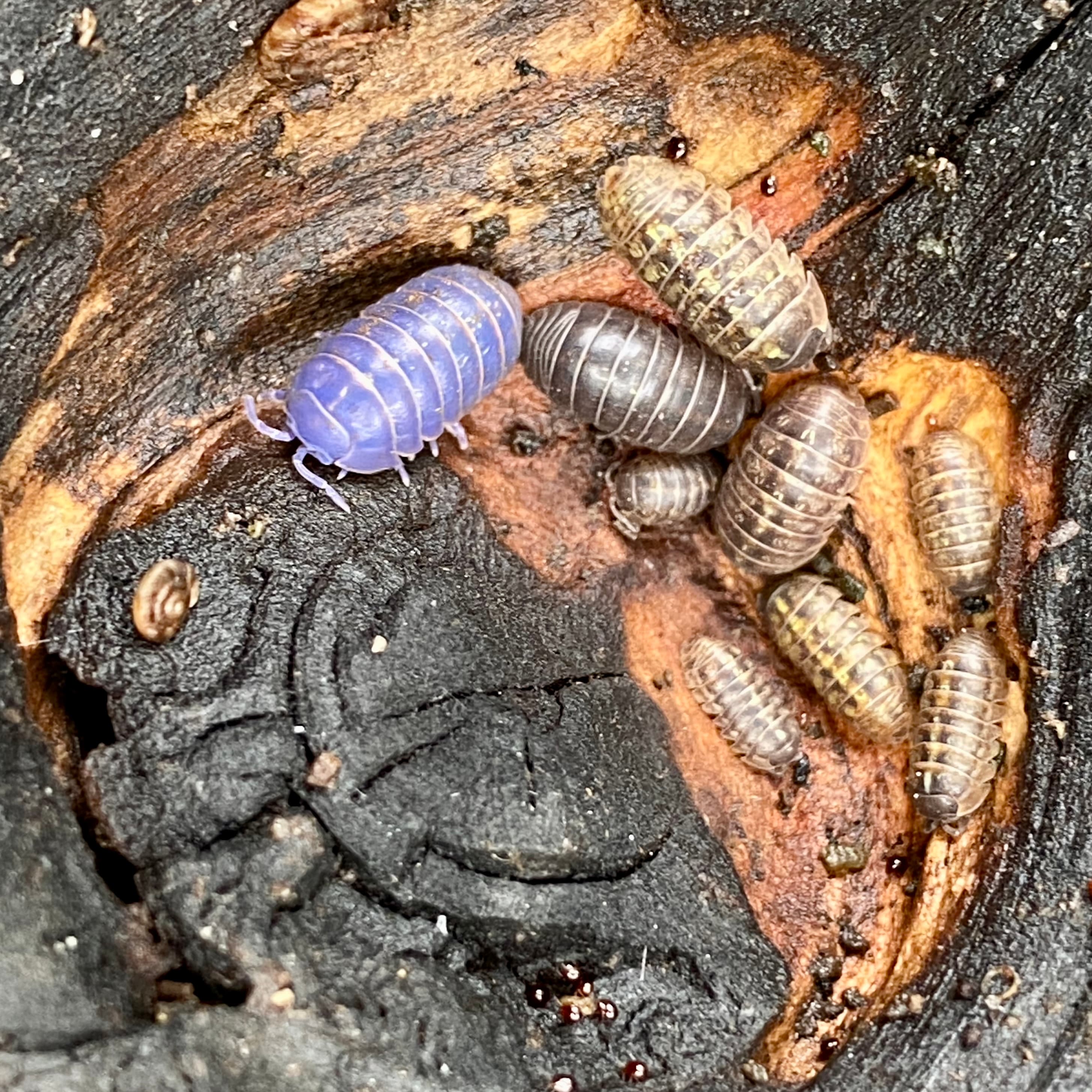
Pillbug
Gray, segmented crustaceans (not insects) that roll into a tight ball when disturbed, living in moist soil, mulch, and under debris outdoors.
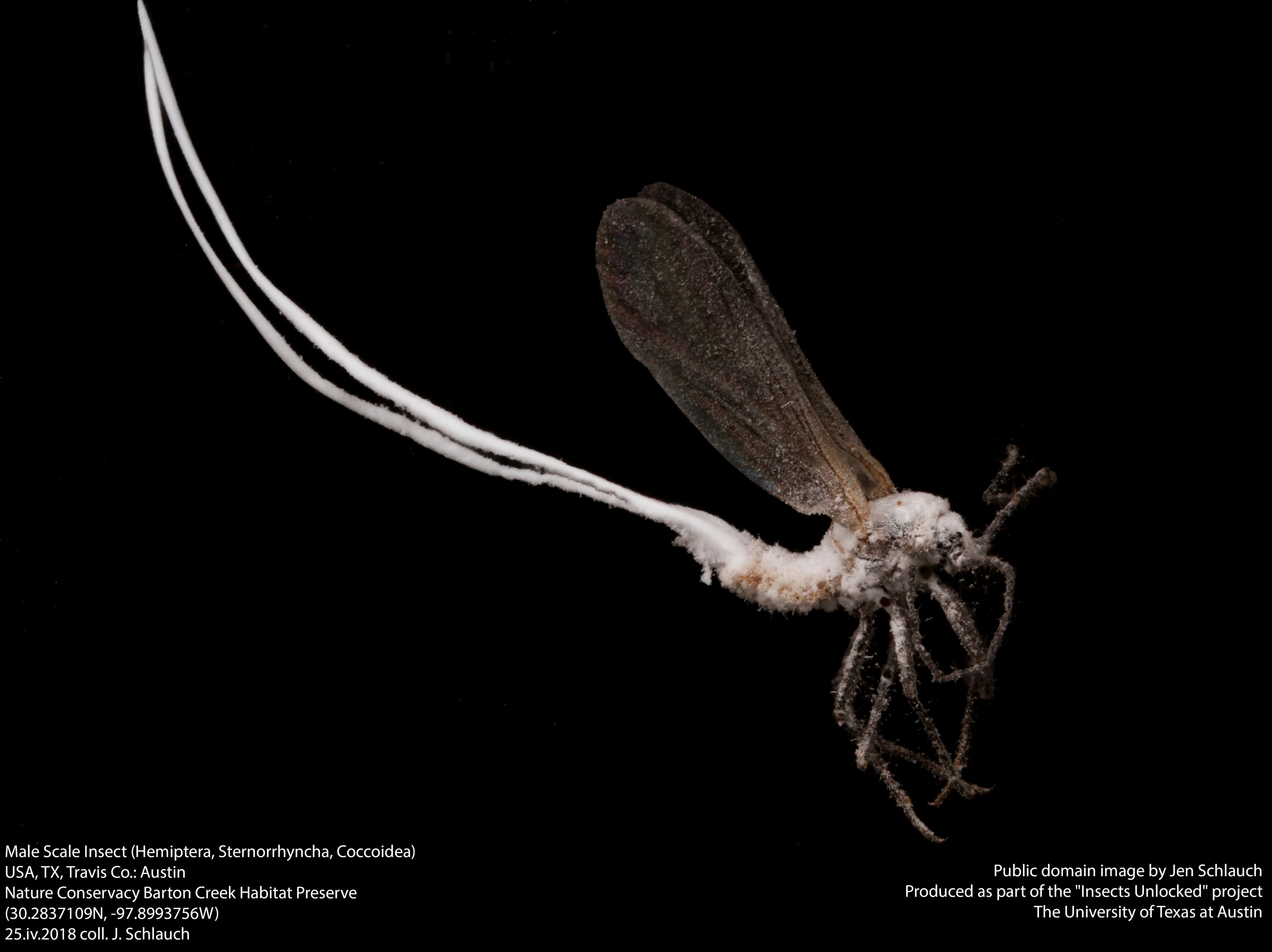
Scale Insect
Small, immobile insects that attach to stems and leaves under a hard or waxy shell-like covering, weakening plants over time by feeding on sap.

Silverfish
Wingless, silvery, carrot-shaped insects with a fast, fish-like wiggle, found in damp, dark areas like basements and bathrooms, feeding on paper, glue, and starches.
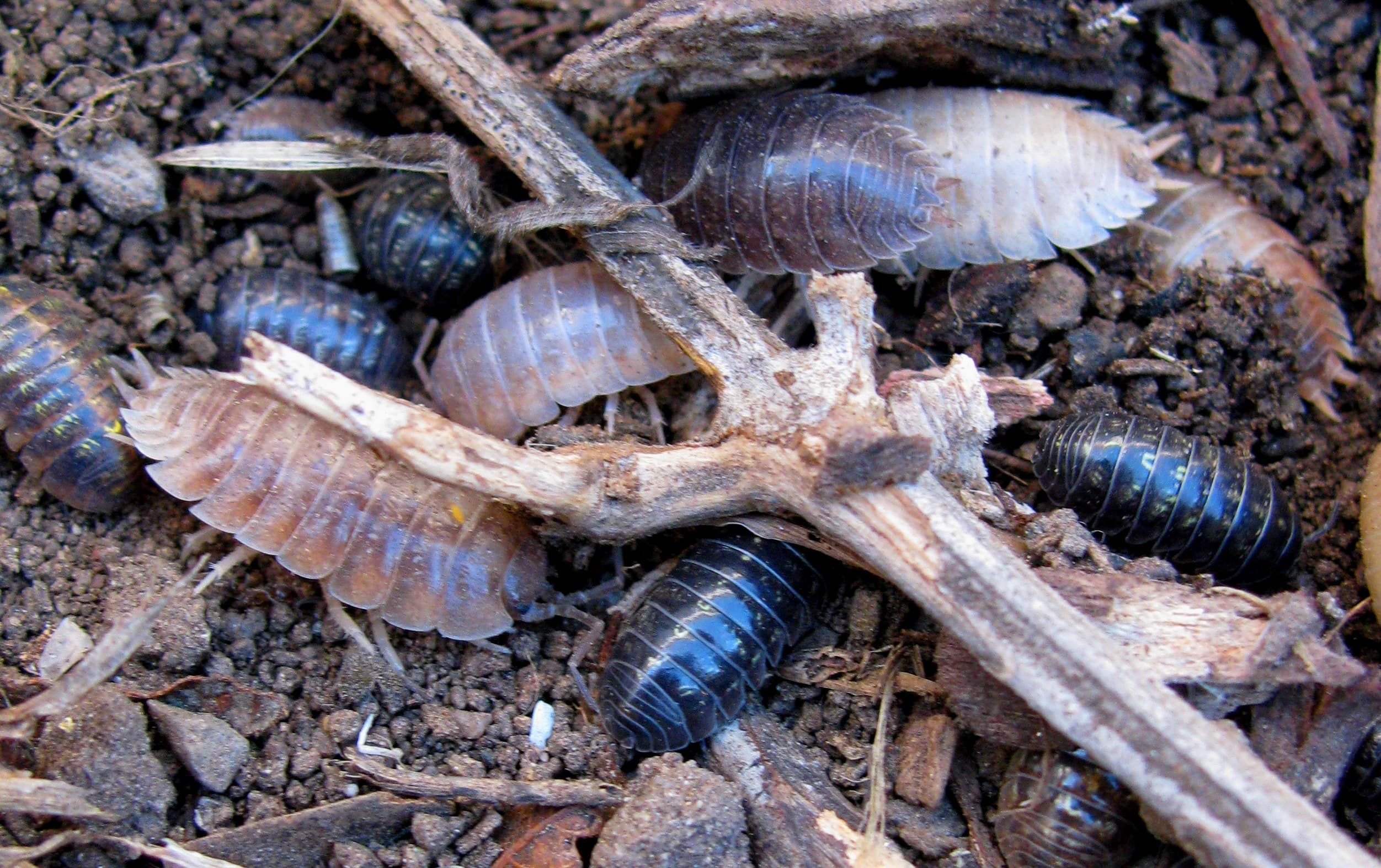
Sowbug
Similar to pillbugs but unable to roll into a full ball, these gray crustaceans thrive in damp mulch, under stones, and near foundations with excess moisture.
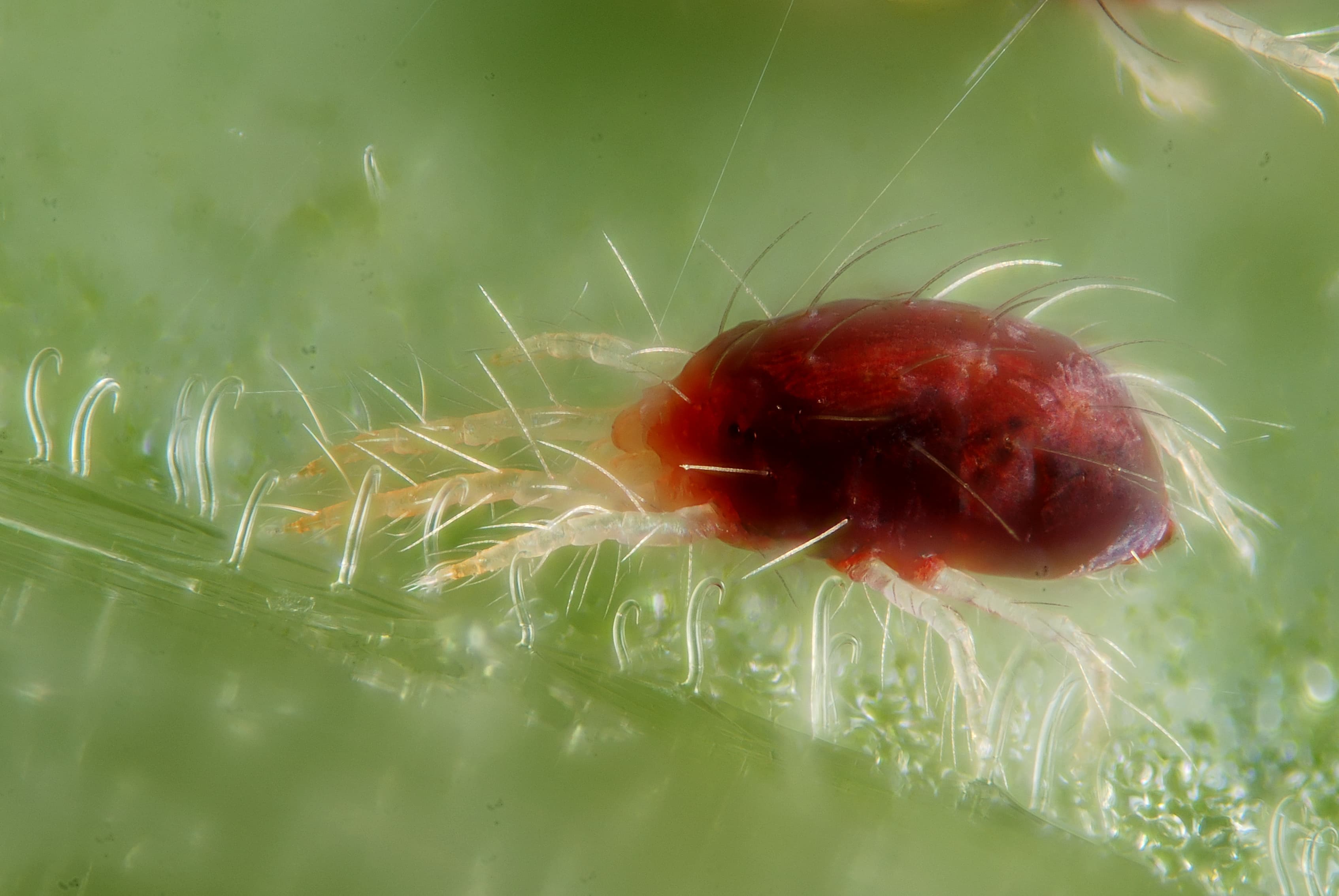
Spider Mite
Microscopic arachnids that cause fine speckled yellowing on leaves and produce delicate webbing on plants during hot, dry conditions.
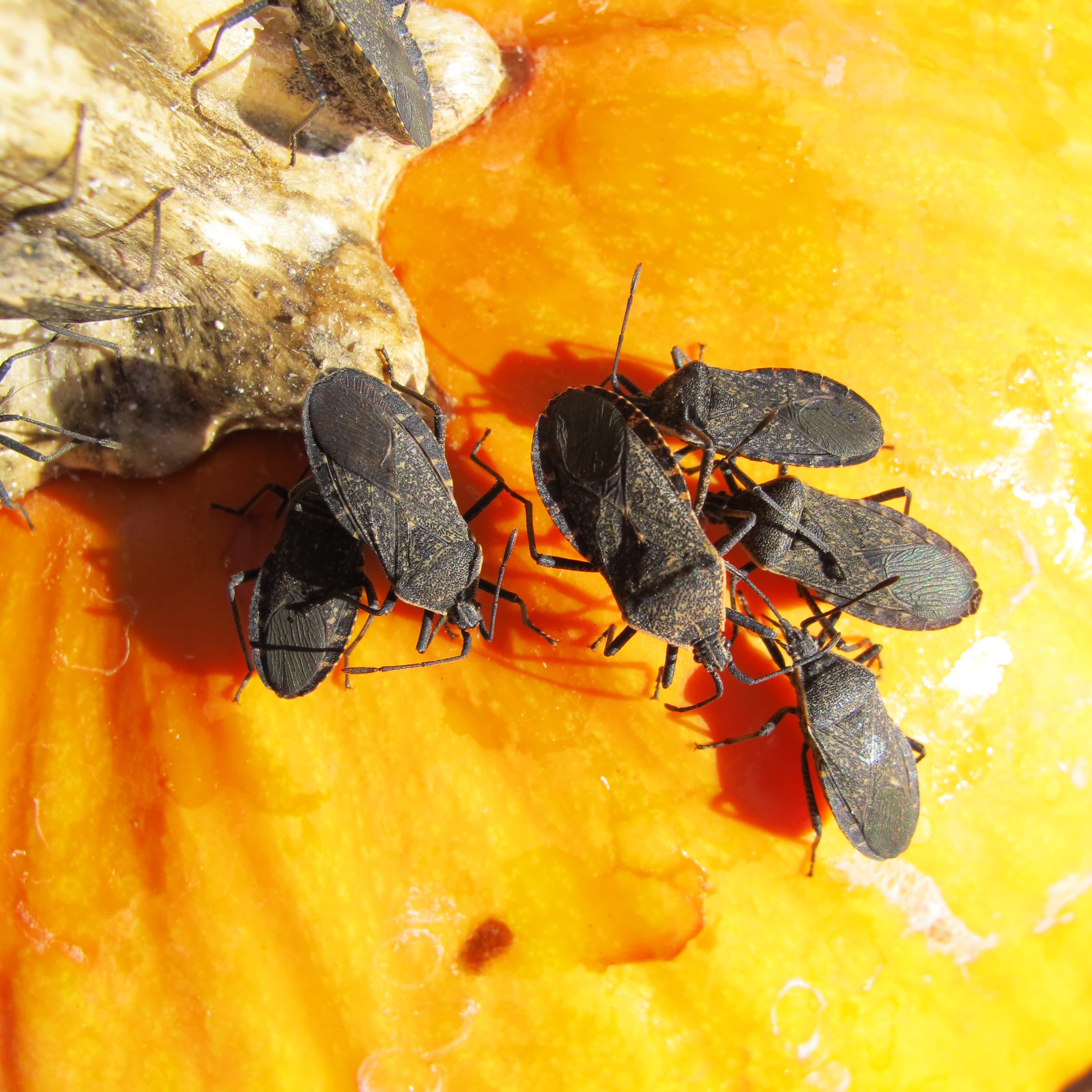
Squash Bug
Flat, brown-gray true bugs that feed on squash and pumpkin vines, causing wilting, and lay distinctive clusters of bronze eggs on the underside of leaves.
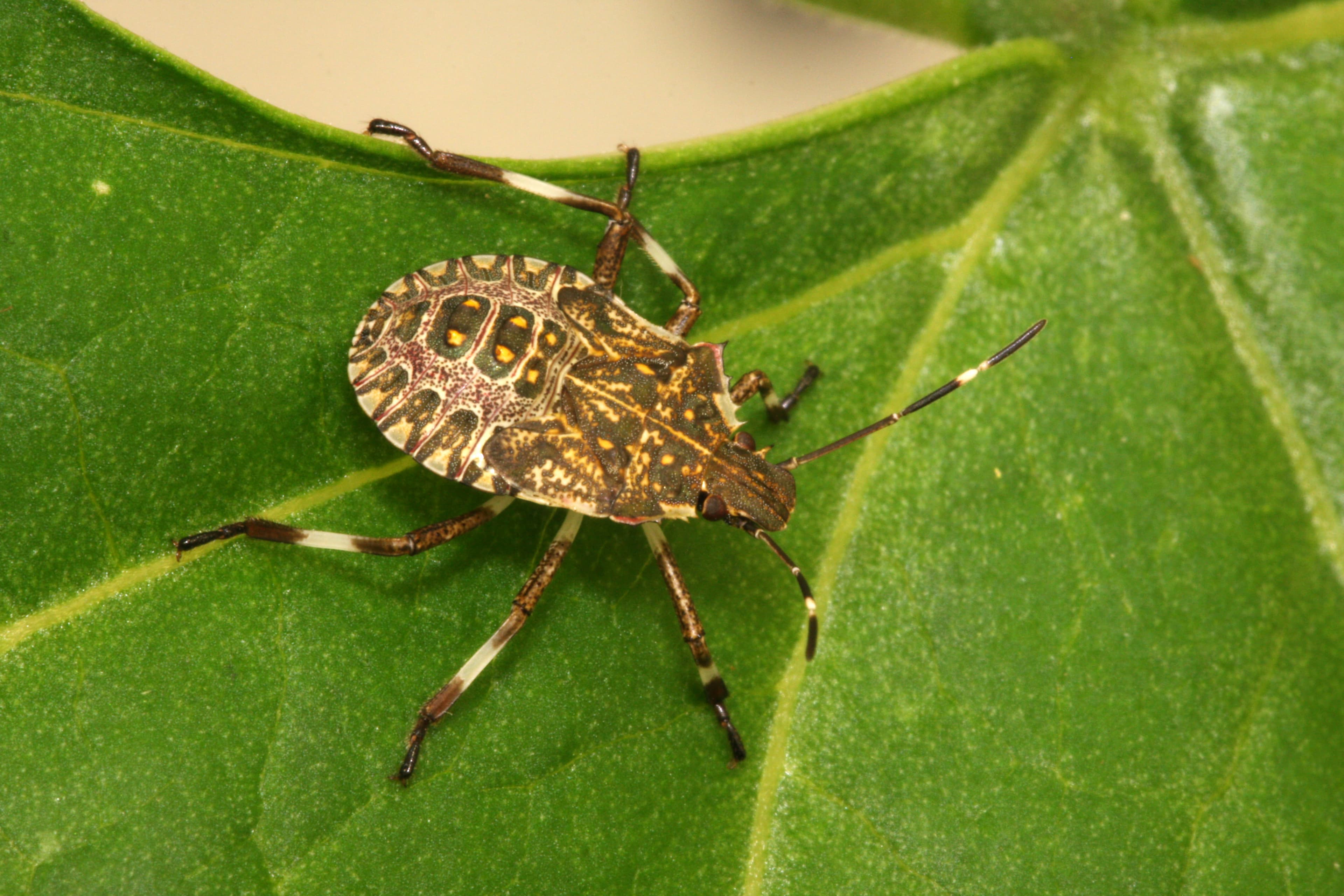
Stink Bug
Shield-shaped brown bugs that release a pungent odor when disturbed or crushed, and gather on sunny exterior walls in fall seeking a way indoors to overwinter.
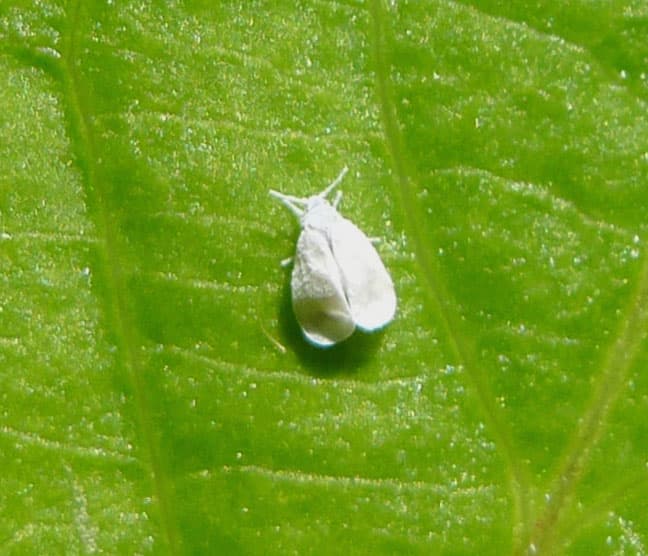
Whitefly
Tiny white, moth-like insects that cluster on the underside of leaves, flying up in a small cloud when disturbed, and weakening plants by feeding on sap.
Pest photos courtesy of Wikimedia Commons contributors.

Local, licensed, and in your neighborhood
Kentucky-based and on the road across Central Kentucky. When you call Apex, a real local team shows up — on time, in uniform, and ready to protect your home.